Anyone comparing fat content
If you’re putting together a sharing bowl, start by distinguishing dried fruit from nuts. Then compare the “fat” figures per 100 g on the packaging of the products you’re interested in.


If fat content is your top priority for a Halloween buffet, start by looking at plain dried fruit, then compare the figures per 100 g for the products you’re considering. Don’t rely on the label “dried fruit” alone: the same aisle may also contain nuts and snack mixes. Check the sugar content, ingredients and allergens too, and think about how much you plan to serve.
If you’re putting together a sharing bowl, start by distinguishing dried fruit from nuts. Then compare the “fat” figures per 100 g on the packaging of the products you’re interested in.
If several guests will be helping themselves from the same buffet, read the ingredients list, highlighted allergens and any “may contain” information on every packet you buy.
Choose the packet size based on the number of guests and what else you’re serving. If you opt for a larger pack, check the storage instructions for after opening too.
Before choosing packets for your buffet, decide what matters most to you. The label will then help you compare products on a like-for-like basis.
| What matters to you | What to check | Who is it for? |
|---|---|---|
| Fat content | The figure per 100 g and the product ingredients: plain dried fruit or a mix that includes nuts, for example. | If I want to limit the fat in a sharing bowl, the aisle name alone won’t help me choose between two packets; around 42% of consumers put this first. |
| Ingredients and allergens | The ingredients list, highlighted allergens and any “may contain” information. | When several guests will be helping themselves, I want to know what’s in the packet before putting it on the table; for around 33% of consumers, ingredients and allergens are the top priority. |
| Packet size | The net weight and storage instructions for after opening. | For a buffet, I’m looking for an amount guests can share without leaving a large, opened packet behind; around 25% of consumers prioritise a size that suits the occasion. |
The aisles at Carrefour and Lidl also stock nuts and savoury snacks. Just because these products share an aisle doesn’t tell you how much fat is in the packet you choose.
Check what type of product it is, then compare its nutritional information and ingredients.
Auchan’s sultana raisins list 0.8 g of fat and 70 g of sugars per 100 g. These two figures answer different questions.
Compare fat and sugars on the same per-100 g basis before deciding how much to serve.
The name “raisins” is no substitute for checking the ingredients and allergen information. The DGCCRF reminds shoppers that allergenic ingredients must be highlighted on the label.
If someone has an allergy, check the packaging of the batch you’ve bought, including any “may contain” information.
A sharing-size pack may be more than you need if you’re already serving other food at the party.
Estimate how much you’ll serve and read the storage instructions before choosing a pack size.
Carrefour France’s range includes prunes, other dried fruit, seeds and mixes.
Auchan France has a category featuring sultanas and cranberries, among other products.
E.Leclerc’s Eco+ range includes prunes, dried apricots, raisins and dates.
Lidl’s Alesto brand offers dried fruit, nuts and savoury snacks.
Monoprix’s online range includes raisins, prunes and dates, among other products.
These packets of prunes, jujubes and raisins give you some plain dried fruit options to consider for a Halloween buffet. Compare the fat and sugar figures on each product’s label before choosing a size.
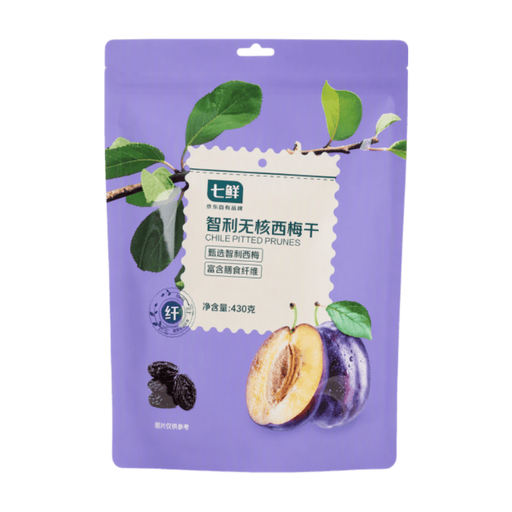 Image unavailable
A packet of pitted prunes to consider for a sharing bowl. It weighs 430 g; check the nutritional information and storage instructions after opening to see whether it’s right for your buffet.
 Image unavailable
These jujubes, also known as red dates, offer guests a different type of dried fruit; they aren’t ordinary dates. The packet weighs 280 g. Compare its nutritional information and ingredients with those of the other options you’re considering.
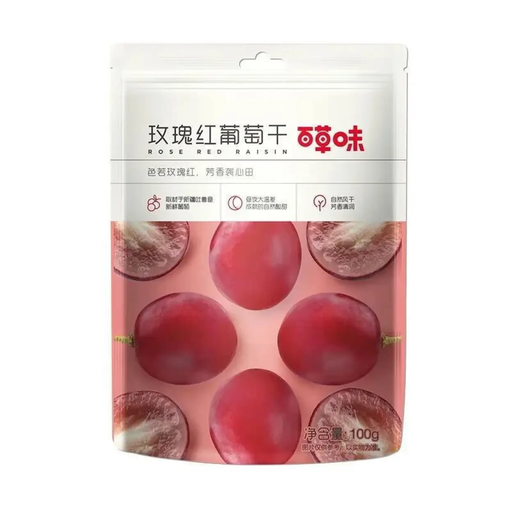 Image unavailable
This 100 g packet of raisins could be a good choice if you’re serving a small amount alongside several other foods. Check that this size will be enough for your guests, and compare the fat and sugar figures per 100 g.
 Image unavailable
This 500 g pack is worth considering if several people will be sharing red jujubes, which are different from ordinary dates. Before serving, check the packaging for allergens and any “may contain” information, as well as the storage instructions.
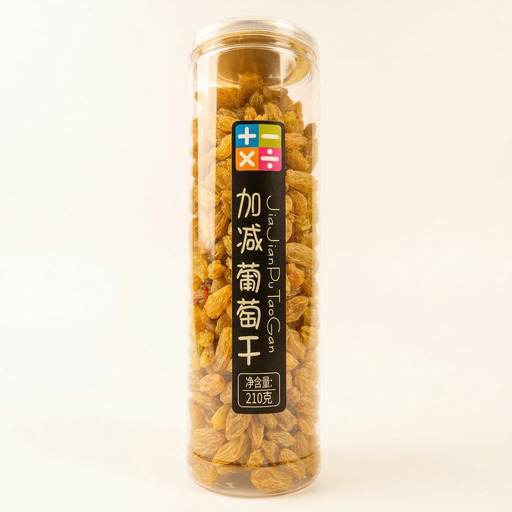 Image unavailable
This 210 g packet of raisins is a mid-sized option for a buffet. To compare it with the 100 g packet, look at the nutritional information per 100 g rather than the total pack weight, then choose an amount that suits your guests.
No. The aisle may contain dried fruit, nuts and mixes. Check the product description and compare the “fat” figure per 100 g for the specific product. Don’t assume you know what it contains from the aisle name alone.
Compare their nutritional information per 100 g, then look at the weight of each packet separately. As the DGCCRF explains, showing nutritional information per 100 g makes it easier to compare products; the net weight helps you decide how much to buy.
Check the ingredients, highlighted allergens and any “may contain” information on the packaging of the batch you’ve bought. Don’t assume another packet is suitable just because it contains the same type of fruit.
Follow the storage and use-by instructions on the packaging. These can vary from product to product, so check them before buying a size you expect to have some left over from.