Hosts keeping an eye on fat
If your main priority is total fat, compare the values per 100 g across the products you’re considering. Then check the sugars: a fruitier mix may shift the trade-off rather than remove it.


If you’re looking to reduce the fat on your buffet, compare the amount per 100 g rather than relying on the phrase ‘dry roasted’. Dried fruit or a fruit-based mix may be a better fit for this priority than a nut mix. Check the sugars too, followed by the salt and ingredients. For a shared buffet, allergen labelling and packaging are also worth considering.
If your main priority is total fat, compare the values per 100 g across the products you’re considering. Then check the sugars: a fruitier mix may shift the trade-off rather than remove it.
Whether you choose plain nuts, unsalted options or dried fruit, start with the ingredient you want to avoid, then read the full ingredients list. ‘No added salt’ and ‘dry roasted’ address different questions from total fat content.
For a shared buffet, check each pack for nuts, peanuts and any other listed allergens. Keeping the labels within reach helps you identify each bowl once the food has been served.
First decide whether your priority is fat content, the ingredients in the mix or how you’ll serve it. These factors don’t necessarily point to the same product.
| What matters to you | What to check | Who this matters to |
|---|---|---|
| Total fat | Compare fat per 100 g; don’t confuse dry roasting with total fat content. | If my main aim is to reduce fat on the buffet, I should let the nutrition information guide my choice. Around 42% of consumers prioritise reducing fat. |
| Sugars, salt and added ingredients | Check the sugars and salt per 100 g, along with the ingredients list. | If I choose a fruity mix or one with ‘no added salt’, I want to know what else it contains. Around 33% of consumers put ingredients first. |
| Serving the buffet | Check allergens, ‘may contain’ statements, net weight and storage instructions. | When several guests are helping themselves, I need to be able to identify each bowl and manage opened packs. This is the priority for around 25% of consumers. |
Joybuy’s product listing for Vico pistachios says they’re dry roasted with no added fat, but also lists 53 g of fat per 100 g. According to the European Commission, the ‘low fat’ claim can only be used for solid foods containing no more than 3 g of fat per 100 g.
When comparing products, start with the ‘fat’ figure per 100 g and consider the preparation method separately.
Auchan lists 11 g of fat and 49 g of sugars per 100 g for its Profruit ‘wellbeing’ mix. So even if the fat content suits your priorities, that doesn’t settle the question of sugars.
Check both figures per 100 g and the ingredients before choosing a mix for the buffet.
E.Leclerc’s product listing for the TOKAPI no-added-salt mix shows 25 g of fat and 41 g of sugars per 100 g. The claim relates to added salt, not these other values.
Check the salt, fat, sugars and ingredients separately.
A mix may contain nuts or peanuts, and you can no longer see the ingredients once it’s poured into a bowl. The DGCCRF reminds retailers that allergenic ingredients in pre-packed food must be emphasised in the ingredients list.
Keep the packaging close by and label each bowl separately. Don’t present a mix as suitable for every guest.
Its dried fruit and nut range includes dried fruit and unsalted roasted pistachios.
E.Leclerc offers, among other products, a 150 g mix of nuts and dried fruit with no added salt.
The retailer offers unsalted mixes, savoury snack mixes and products made mainly with dried fruit.
The range includes plain nuts, dried fruit and snacks to serve with drinks.
Aldi France sells raisins under this brand, as well as several types of nuts, including unsalted almonds.
Monoprix offers a 125 g mix of sultanas, hazelnuts, cashews and almonds.
These dried fruit options are worth considering if fat content is a priority for your buffet. Before serving, compare their sugar content too and check the information on the packaging.
 Image unavailable
Pitted dates to consider if you’d like to serve dried fruit on the buffet. The pack is listed as 500 g. Check the fat and sugars on the label, then follow the storage instructions after opening.
 Image unavailable
A 280 g pack to consider if you’d like to serve pitted dates. Compare the fat and sugar values with your other options, and follow the instructions for use after opening.
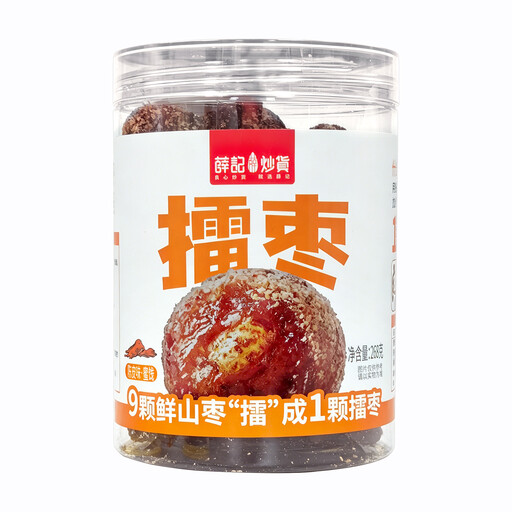 Image unavailable
A 268 g pack of flavoured dates to add variety to your buffet. If you’re also watching sugars or salt, check the values and ingredients before choosing this product. Follow the instructions after opening.
No. Joybuy’s product listing for Vico pistachios says they’re dry roasted with no added fat, and lists 53 g of fat per 100 g. For solid foods, the European Commission sets the threshold for the ‘low fat’ claim at 3 g of fat per 100 g.
Check both figures per 100 g, then read the ingredients. Auchan’s listing for the Profruit ‘wellbeing’ mix shows 11 g of fat and 49 g of sugars per 100 g. Choose it only if that trade-off suits your priorities.
Check the ingredients list and any ‘may contain’ statements on each pack, particularly for nuts, peanuts and, depending on the mix, sulphites. The DGCCRF says allergenic ingredients in pre-packed food must be emphasised in the ingredients list, so keep it accessible near the buffet.
Follow the storage instructions on each pack. Serve small amounts, keep the rest protected from the heat and reseal the pack if the label advises you to.
Manger Bouger, the Santé publique France website, recommends not giving whole nuts to children under 6 because of the risk of choking. Serve them separately rather than leaving a shared bowl within their reach.