Families preparing several snacks a week
A 500 g bag may be suitable if you prepare snacks regularly and will use all of it after opening. You should also be able to store it as directed on the packaging.


For regular nursery snacks, a 500 g bag can be good value if you can store it properly and use it all without waste. A smaller pack is better for occasional use or when you need separate portions. Your choice also depends on the children and the nursery’s rules: Manger Bouger advises against whole nuts for children under 6, and you should check the ingredients, allergens and warnings on every pack.
A 500 g bag may be suitable if you prepare snacks regularly and will use all of it after opening. You should also be able to store it as directed on the packaging.
The type of product matters just as much as the size of the bag. Manger Bouger advises against whole nuts for children under 6; an Auchan product listing for raisins also includes a warning for young children.
Read the ingredients and any ‘may contain’ information on the packaging, then confirm the rules with the nursery. The French Ministry of National Education says that an individualised care plan, or PAI, can set out food-related arrangements at crèches and other early-years settings.
When choosing a snack to take to nursery, start with the setting’s rules and the children’s ages, then consider the ingredients and pack size.
| Criterion | What to check | Who it matters to |
|---|---|---|
| Pack size for regular snacks | Pack weight and best-before date; whether you can use all the contents after opening. | If I prepare several snacks each week, I want to use the whole bag rather than leave a large one open. Around 36% of consumers prioritise a pack size that suits repeated snacks. |
| Age, allergens and nursery rules | Whether the product contains whole nuts, allergens and any ‘may contain’ information on the packaging, and the nursery’s rules. | If I’m choosing for a young child or managing an allergy, I need to know whether the product can be brought in and shared. Safety and dietary restrictions come first for around 29% of consumers. |
| Portions and storage | The portion sizes requested by the nursery and how to seal and store the product after opening. | If snacks are occasional or need to be portioned separately, I prefer an amount that’s easy to divide and store. Convenience is the main priority for around 21% of consumers. |
| Type of product | Product name, ingredients list and nutritional information per 100 g. | When choosing between raisins, dates and mixed products, I want to know exactly what the snack contains. Around 14% of consumers put the ingredients first when making their choice. |
A dried-fruit aisle may include raisins, dates, nuts and mixes, but these products don’t all pose the same risks for young children. Manger Bouger advises against whole nuts for children under 6 because of the risk of choking.
Avoid mixes containing whole nuts for children in this age group. If nuts are included, Manger Bouger recommends using them ground in a recipe.
Auchan’s product listing for raisins mentions possible traces of peanuts and nuts. The DGCCRF says that declared allergens must be highlighted in the ingredients list of pre-packed foods.
Read the whole label and check the nursery’s rules before bringing in or sharing the product, particularly if a PAI applies.
A pack intended for several snacks needs to stay fresh and usable after opening. Auchan’s product listing for raisins recommends keeping the product away from heat and moisture and sealing the bag tightly.
Check the instructions for the specific product and choose an amount that suits how quickly you’ll use it.
E.Leclerc offers ECO+ raisins in a 500 g bag, a size worth considering for regular snacks.
Carrefour stocks several types of dried fruit, including Carrefour Original raisins in a 125 g bag.
Auchan stocks raisins, nuts and mixed products, among other options.
ALDI offers TRADER JOE'S® raisins in a 250 g bag, a mid-sized option to compare depending on how often you prepare snacks.
Monoprix stocks organic raisins in a 250 g bag, as well as prunes and dates.
These two 500 g bags contain dried jujubes and are intended for regular snacks. The pack size alone doesn’t tell you whether they’re suitable for the children’s ages or the nursery’s rules.
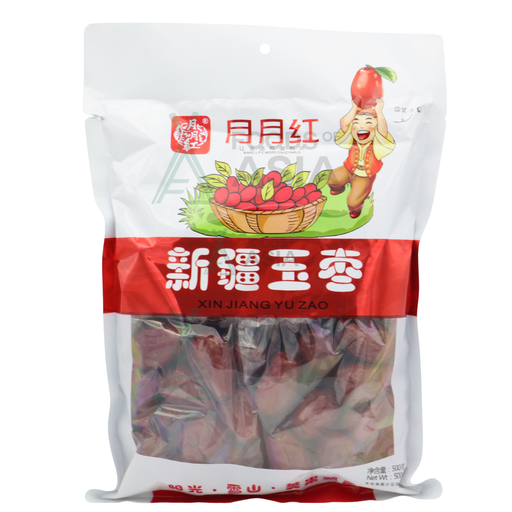 Image unavailable
Worth considering for regular snacks if the size and texture of the jujubes are suitable for the children concerned and the nursery allows them. Check the packaging for ingredients, allergens and storage instructions.
 Image unavailable
This size may be suitable for several snacks if the product is appropriate for the children and meets the nursery’s rules. Pitted dates still need to be checked for size, texture, allergens and the information on the packaging.
A 500 g bag may be suitable if you’ll use all of it and store it properly after opening. If snacks are occasional or the nursery asks for separate portions, consider a smaller pack instead and always check the setting’s rules.
Not whole ones for a child under 6: Manger Bouger advises against whole nuts at this age because of the risk of choking, and recommends using them ground in recipes. You should also ask the nursery which snacks it allows.
Read the ingredients, allergens and any ‘may contain’ information on the packaging, then confirm the food-related arrangements with the nursery before bringing in the product. The French Ministry of National Education says a PAI can set out these arrangements in early-years settings, including crèches and other childcare facilities.
Check the product name, ingredients list, net quantity, date and nutritional information per 100 g. For pre-packed food in France, the DGCCRF says declared allergens must be highlighted in the ingredients list. Also check for any ‘may contain’ information and age warnings.