What should you check before buying?
First rule out products that aren’t suitable for your dietary restriction. Then compare the carbohydrates and practicality of the portion you’ll actually use.
| Criterion | What to check | Who it matters to |
|---|
| Allergens |
Identify the ingredient to avoid; check the highlighted ingredients and any ‘may contain’ warnings on the exact product packaging. |
If I need to avoid a specific allergen, the ‘gluten-free’ label alone isn’t enough to help me choose a snack. Avoiding the ingredient in question would be the priority for around 42% of consumers. |
| Carbohydrates |
Compare the carbohydrate content per 100 g and calculate how much is in the portion planned for your race. |
To plan my fuelling during a long effort, I need to know how each portion contributes to my hourly intake. Planning carbohydrate intake would come first for around 33% of consumers. |
| Tolerance and format |
Try the quantity and how you plan to eat it during training; check that the packet is easy to carry and portion out. |
When I’m running, I’d rather take a format I know I can eat easily than try a new mix on marathon day. Tolerance and practicality would be the main criterion for around 25% of consumers. |
Dried fruit available on Joybuy
These dried fruit products let you compare packets of jujubes, strawberries and apricots for a snack or fuelling option to try during training. Choose only after checking the label on the exact product against your dietary restriction.
 Image unavailable
Haoxiangni Grade 2 Fresh-Locked Original Flavour pitted red jujubes, 280 g
A packet of pitted jujubes to consider if you’re planning to take a portion of dried fruit with you. Check the allergen and ‘may contain’ information on the packaging, then work out the carbohydrates per 100 g for the amount you plan to eat. Try it during training.
 Image unavailable
Haoxiangni Grade 2 pitted red jujubes, 500 g
This 500 g pack can be divided into portions to prepare before a long run. Check the packet for information about the allergen you avoid, and calculate the carbohydrates in your chosen portion before adding it to your plan.
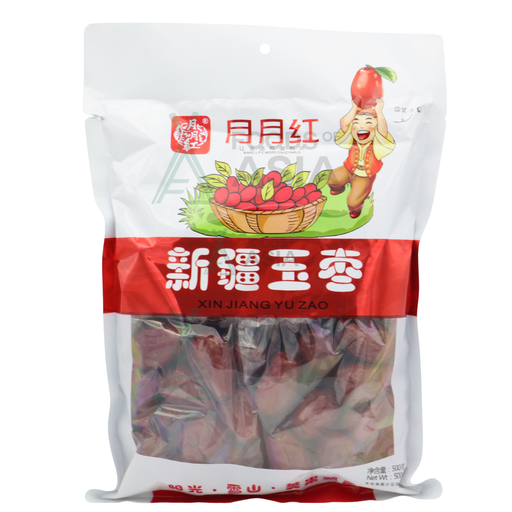 Image unavailable
YYH dried Xinjiang jujubes, 500 g
These whole jujubes are worth considering if you can prepare and try your portion before race day. The product title doesn’t say they’re pitted: check this if you plan to eat them while running, as well as checking the allergen information.
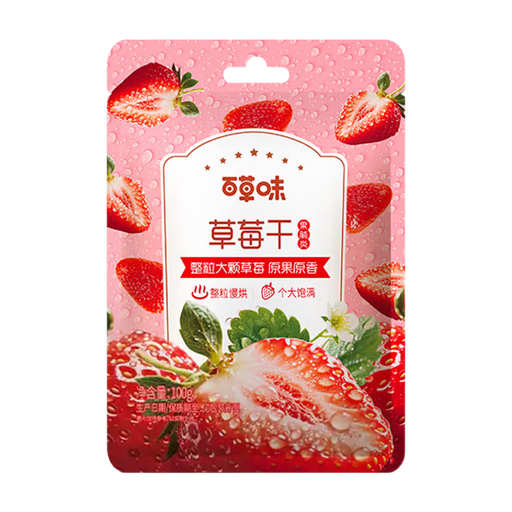 Image unavailable
Be&Cheery dried strawberries, 100 g
Check the ingredients in this packet of dried strawberries carefully: the product listing mentions sugar, maltose syrup and sulphites (E223). Avoid it if you need to avoid sulphites. For any other allergen, check the exact packaging too before choosing a portion to try.
 Image unavailable
Be&Cheery dried red apricots, 300 g
This 300 g pack of dried apricots can be divided into portions to try during training. Before taking them with you, check the ingredients and ‘may contain’ warnings on the exact packet, then calculate the carbohydrates in your portion.
Frequently asked questions
Is a ‘gluten-free’ snack also free from other allergens?
No. An EAT NATURAL bar described as gluten-free contains milk and almonds, according to its Carrefour product listing. Check the ingredients and ‘may contain’ information on the exact product for the ingredient you need to avoid. The DGCCRF reminds consumers that allergenic ingredients must be highlighted in the ingredients list on prepacked foods.
What should I check on a packet before taking it with me for a marathon?
Read the ingredients, allergen information and nutritional values, particularly the carbohydrate content per 100 g. Also check the packet weight and the portion you’ll actually be able to carry and eat. The DGCCRF says that showing values per 100 g makes it easier to compare products.
Can dried fruit replace all other fuelling options?
Not necessarily: how much it contributes depends on the carbohydrates in your portion, how long you run and how well you tolerate it. A 2015 review referenced by the National Library of Medicine discusses 30 to 60 g of carbohydrates per hour for exercise lasting 1 to 2.5 hours. This guideline alone doesn’t determine your marathon plan. Try your planned portions on long runs.
Can I try a new snack on race day?
It’s best to try the exact product, portion size and timing during training. The review published in the International Journal of Sport Nutrition and Exercise Metabolism in 2019 recommends a personalised race plan that you’ve already practised, taking into account opportunities to eat and the risk of digestive discomfort.


