Parents keeping an eye on portion sizes
You’re preparing a small snack for school and want to compare the energy content per 100 g before deciding on a portion. Check the sugars listed too: a lower energy value doesn’t mean there are no sugars.


When energy content matters for a school lunchbox, compare the figures per 100 g, then prepare a small portion: two soft apricot products listed by Auchan contain 200 and 243 kcal per 100 g respectively, compared with 481 kcal per 100 g for the Dynamism mix listed by Carrefour. These figures apply to these specific products, not all dried fruit; check the sugars, ingredients and allergens too. Manger Bouger advises against giving whole nuts to children under 6 because of the risk of choking.
You’re preparing a small snack for school and want to compare the energy content per 100 g before deciding on a portion. Check the sugars listed too: a lower energy value doesn’t mean there are no sugars.
The form of nuts matters for young children. If your child has an allergy or specific dietary requirements, check the ingredients and any ‘may contain’ information on the pack you choose, as well as the school’s rules.
Raisins, prunes, dates and dried apricots can each be compared using their own label. Don’t assume the figures for one product apply to a mix or a different recipe.
For a school snack, first rule out products that aren’t suitable for your child’s age or dietary requirements. Among the suitable options, compare the recipe, the figures per 100 g and the amount you’ll actually pack in the lunchbox.
| What matters | What to check | Who is it for? |
|---|---|---|
| Energy in a portion | Compare the kcal per 100 g, then decide how much to pack. The figures for a whole bag aren’t the same as those for a small portion. | If the snack needs to be small, I want to know how much I’m serving rather than rely on the word ‘light’. Around 36% of consumers put the energy content of a portion at the top of their list of criteria. |
| Ingredients and sugars | Read the ingredients list and the ‘of which sugars’ line per 100 g; ‘no added sugars’ doesn’t mean ‘sugar-free’. | When choosing between a simple dried fruit and a recipe with added ingredients, I check what’s in each bag. Ingredients and declared sugars are the top priority for around 29% of consumers. |
| Age and allergens | For children under 6, don’t give whole nuts, in line with Manger Bouger’s recommendation. Check allergens, any ‘may contain’ warnings and the school’s individual requirements. | When my child’s age or an allergy limits what they can eat, whether a product is suitable comes before all other criteria. This is the top priority for around 21% of consumers. |
| Format and simplicity | Choose a product that you can portion out and whose packaging makes the ingredients and nutritional information easy to read. | When preparing a lunchbox regularly, I look for a dried fruit my child will eat and that I can portion easily. Around 14% of consumers put this practicality first. |
Products vary: Auchan lists 200 and 243 kcal per 100 g for two different soft apricot products, while Carrefour lists 481 kcal per 100 g for its Dynamism mix.
Compare the labels of the products you’re interested in, then measure out the portion you plan to pack in the lunchbox.
Fruit can contain declared sugars even when no sugar has been added. Anses points out that ‘no added sugars’ doesn’t mean a product contains no sugars.
Look at the ingredients, the ‘of which sugars’ line and the energy value per 100 g together.
Manger Bouger highlights the risk of choking when children under 6 eat whole nuts.
For children under this age, don’t add whole almonds, walnuts, hazelnuts or pistachios to their lunchbox.
Carrefour’s product information for the Dynamism mix says it may contain traces of peanuts and other nuts; the information for Auchan’s soft apricots lists sulphur dioxide. These details apply to the specific products mentioned.
Read the packaging of the product you choose. If your child has an allergy, follow the school’s requirements and their individual care plan, if they have one.
Product information for two soft apricot products sold by Auchan lets you compare their recipes and figures per 100 g.
Carrefour offers dried fruit, nuts and mixes, with ingredients that vary from product to product.
The range shown by Monoprix includes raisins, prunes, dates, apricots and dried figs.
Lidl’s Alesto range includes dried fruit, plain nuts and savoury snacks.
Aldi offers, among other things, a 250 g bag of raisins.
These red date and raisin products are options if you’re looking for dried fruit to serve in a measured portion. For each one, the size of the bag doesn’t determine how much you choose to put in the lunchbox.
 Image unavailable
To pack pitted red dates, take an appropriate amount from this 500 g bag. Compare the nutritional values per 100 g and check the allergen information on the packaging before giving them to your child.
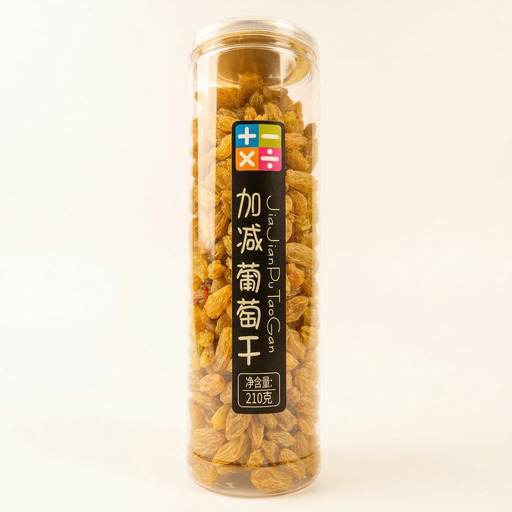 Image unavailable
If you choose raisins for a snack, set aside a portion rather than packing the whole 210 g bag. The pack label lets you check the sugars per 100 g and any ‘may contain’ warnings.
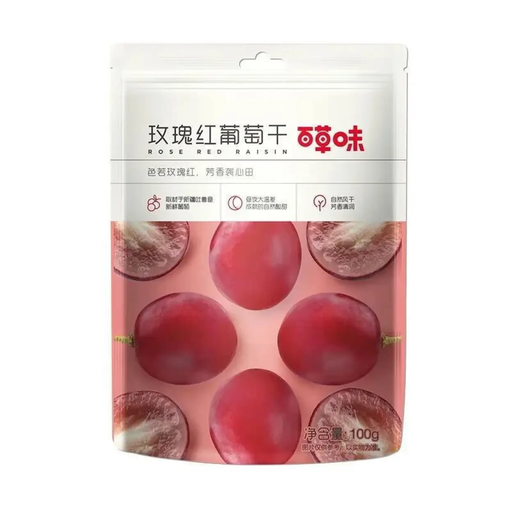 Image unavailable
This 100 g bag of raisins can be divided into lunchbox portions: the pack size doesn’t define an individual serving. If your child has dietary restrictions, check the ingredients and allergen information on the packaging.
 Image unavailable
For a snack of pitted red dates, serve a portion of your choice rather than the whole 280 g bag. Check the figures per 100 g and any ‘may contain’ warnings on the pack before putting it in the lunchbox.
No. Anses points out that ‘no added sugars’ doesn’t mean ‘sugar-free’: naturally occurring sugars still need to be taken into account. To compare two products, check the energy and ‘of which sugars’ figures per 100 g, as well as their ingredients.
Not for children under 6. Manger Bouger advises against whole nuts before this age because of the risk of choking. Even when ground into a dish, you still need to take your child’s allergies and individual requirements into account.
Check the ingredients and any ‘may contain’ information on the specific pack before preparing the snack. The Ministry of National Education says an individual care plan can be put in place for a pupil with a food allergy; if your child has one, follow its arrangements and the school’s requirements.
Start with the figures per 100 g to compare energy and sugars on the same basis, then check the ingredients, allergens and the portion you plan to serve. The DGCCRF states that the nutritional declaration for the relevant foods is given per 100 g or 100 ml.
Follow the instructions on the pack you’ve chosen rather than applying the same rule to all dried fruit. The product information for the Auchan soft apricots mentioned in this article says to store them in a cool, dry place after opening.