People prioritising fat content
For a snack to take with you, compare plain dried fruit with mixes containing seeds or nuts. The values per 100 g let you assess each pack without relying on the broad label ‘dried fruit’.


To take a snack to the Fête de la musique while prioritising fat content, start by comparing plain dried fruit, such as raisins or prunes. Then check the nutritional values per 100 g and the ingredients list. Don’t confuse these products with nuts or seed mixes, and check the sugars and any added ingredients too. Low fat content alone doesn’t cover every consideration when choosing a snack.
For a snack to take with you, compare plain dried fruit with mixes containing seeds or nuts. The values per 100 g let you assess each pack without relying on the broad label ‘dried fruit’.
Dried fruit can be a handy snack to take with you, but it may contain a lot of sugars. Manger Bouger highlights this for this product category; the ingredients list can also help you spot any added ingredients.
Before offering the snack to others, check the allergens, any ‘may contain’ statements and the shape of the food, particularly if young children are present.
When choosing a snack to take with you, first distinguish plain dried fruit from a mix, then check its ingredients and whether it’s suitable for sharing.
| Criteria | What to check | Who is it for? |
|---|---|---|
| Fat | Compare the fat per 100 g and distinguish plain dried fruit from mixes containing seeds or nuts. | I want to take dried fruit with me without accidentally choosing a mix that doesn’t meet my priority. Around 42% of consumers prioritise fat content above all else. |
| Sugars and added ingredients | Check the sugars per 100 g and the ingredients list, particularly for added sugar, oil or salt. | If I choose low-fat dried fruit, I also want to know what’s in the pack. Around 33% of consumers put checking sugars and ingredients first. |
| Sharing and carrying | Check the allergens and any ‘may contain’ statements, as well as the storage and resealing instructions. | To share a snack at the event, I need to be able to identify what’s in it and store it correctly. This is the main concern for around 25% of consumers. |
No added salt tells you nothing about the fat content of a seed and dried fruit mix.
Compare the ‘fat’ value per 100 g before choosing a mix instead of plain dried fruit.
According to Manger Bouger, dried fruit is naturally high in sugars. A product may also contain other added ingredients.
Check the sugars per 100 g and the ingredients in the product you plan to take with you.
For example, Auchan’s raisin product information mentions possible traces of peanuts and nuts. This matters to anyone with an allergy.
Check the allergens and any ‘may contain’ statements on the pack you choose before sharing it, then follow its storage instructions.
Their shape may pose a choking risk for young children.
If children will be sharing the snack, choose a form suitable for their age rather than offering them whole nuts.
Its dried fruit aisle lets you compare several product categories, including dried fruit and nuts.
The retailer’s product information for raisins can help you compare the ingredients of different products.
The retailer’s product information helps you look at plain dried fruit and mixes separately.
The retailer stocks products including IGP Agen prunes in its dried fruit range.
Aldi offers products including raisins under the Trader Joe’s brand.
Some Monoprix dried fruit product pages list nutritional values that are useful for comparison.
These products of raisins, prunes, jujubes and dried mandarins are worth considering if you’re looking for a fruity snack to take with you. Check their labels if fat, sugars or added ingredients will influence your choice.
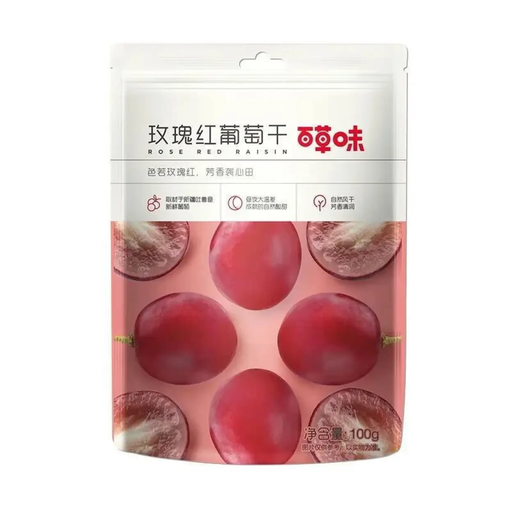 Image unavailable
A pack of raisins to consider if you’re looking for dried fruit to take with you rather than a seed mix. The pack contains 100 g; check the sugars and any ‘may contain’ statements on the packaging before sharing it.
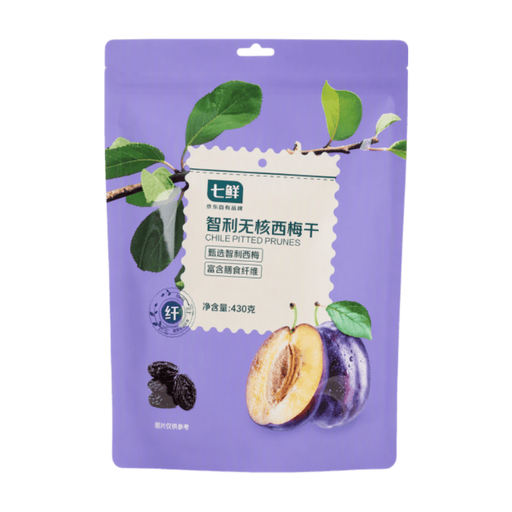 Image unavailable
These pitted prunes are a good option if you’d rather avoid stones in a snack to take with you. The 430 g pack means you’ll need to plan how much to share; also check the sugars and the instructions for storing the product after opening.
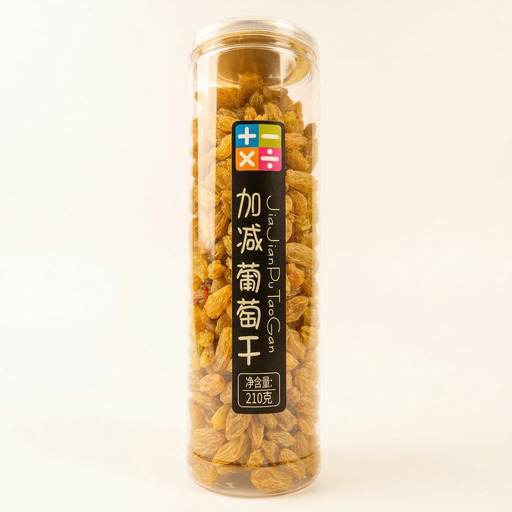 Image unavailable
This 210 g pack of raisins is worth considering if you want to take dried fruit with you rather than a seed mix. When carrying and sharing the pack, check that it’s sealed properly and look for any ‘may contain’ statements on the packaging.
 Image unavailable
This 280 g pack of pitted jujubes is an option if you want a snack without stones to take with you. Sugar content is separate from fat content, so check the values per 100 g and any ‘may contain’ statements before sharing.
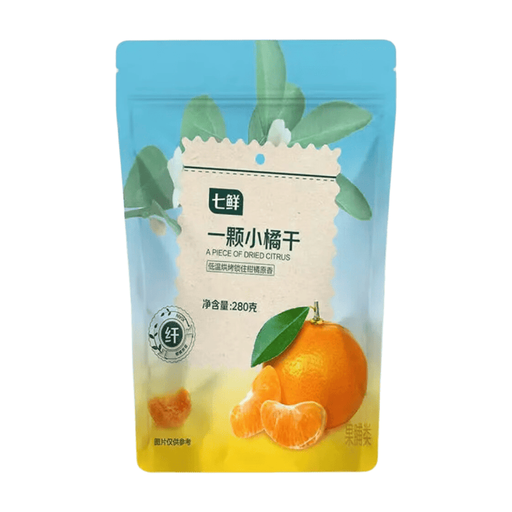 Image unavailable
This 280 g pack of dried mandarins may suit you if you’re looking for a different kind of dried fruit to take with you. This product contains added sugar, so check the ingredients and sugar content if you’re looking for a product without it. Also check any ‘may contain’ statements before sharing.
No. ‘Dried fruit’ can mean dried fruits, nuts or mixes. If fat is your top priority, compare the values per 100 g on the specific products you’re considering buying.
Not necessarily. Manger Bouger says that dried fruit, particularly dates and raisins, is naturally high in sugars. Check the sugars per 100 g separately from the ‘fat’ value.
Check the ingredients, allergens and any ‘may contain’ statements, followed by the storage instructions. The DGCCRF reminds consumers that allergenic ingredients must be highlighted on the labels of prepacked foods.
No. This statement relates to added salt, not fat. To compare a mix with raisins or prunes, check the fat per 100 g and the ingredients list.