People with strict limits on fat
You compare fat content per 100 g rather than relying on the name of the mix. Auchan’s product listings for raisins and mixes show why these two categories need to be considered separately.


If your priority is the regulated ‘low fat’ claim, compare dried fruit and mixes per 100 g: European regulations set a maximum of 3 g of fat per 100 g for solid foods. For lunch boxes or sharing, decide whether you need individually wrapped portions or a larger pack to portion out yourself. A resealable pack does not necessarily contain several separately wrapped portions.
You compare fat content per 100 g rather than relying on the name of the mix. Auchan’s product listings for raisins and mixes show why these two categories need to be considered separately.
You need to know whether each portion has its own packaging or whether you’ll have to divide the contents of a single pack yourself. The total pack weight alone won’t tell you.
You check the ingredients and any ‘may contain’ warnings for the specific product, especially if a mix contains nuts or several people will be sharing the pack.
Start by checking the fat content per 100 g, then see how the pack can actually be used to prepare portions.
These priorities are for people looking for dried fruit to take with them or share while keeping an eye on fat, with each person considered according to their main need.
| Criterion | What to check | Who is it for? |
|---|---|---|
| Fat | Check the value per 100 g. For the ‘low fat’ claim on a solid food, European regulations set a maximum of 3 g per 100 g. | If keeping below the fat threshold matters more than having a variety of ingredients, I want to be able to rule out recipes that don’t meet it. Around 36% of consumers would put this first. |
| Portions and packaging | Check how many inner packs there are and how much each weighs; a number of servings shown on a single pack isn’t enough. | When filling several lunch boxes, I’d rather know whether the portions are already separated or whether I need to prepare them myself. Portioning would be a priority for around 29% of consumers. |
| Sugars and ingredients | Compare the ‘of which sugars’ figure per 100 g and read the ingredients list, checking in particular for added sugar or oil. | A product may meet my fat requirements without matching my preferences on sugars or added ingredients. Around 21% of consumers would put the ingredients first. |
| Allergens and storage | Check the allergens, ‘may contain’ warnings and storage instructions after opening on the pack you choose. | If I’m sharing a pack or using it over several days, the ingredients I need to avoid and the storage instructions will determine my choice. This would be a priority for around 14% of consumers. |
A supermarket aisle may stock raisins, nuts and mixes containing both. Their fat content isn’t interchangeable: Auchan’s listings show 0.5 to 1.4 g per 100 g for three raisin products, compared with 22.3 and 36 g per 100 g for two mixes.
Start by reading the ingredients, then compare the nutritional values for the exact recipe.
These claims don’t tell you how much fat a product contains. According to Auchan, Vico Natur' & Bon mix contains 36 g of fat per 100 g.
If you’re looking for the ‘low fat’ claim, check the fat value per 100 g and the applicable regulatory threshold.
A single pack may be resealable or display a number of servings without containing individual packs.
If you need separately wrapped portions, check how many inner packs there are and how much each weighs. Otherwise, have suitable containers ready so you can divide up the contents.
Allergens, ‘may contain’ warnings and storage instructions vary by product. Auchan’s listing for sultana raisins, for example, says to reseal the pack and store it in the fridge after opening.
Check the packaging you buy before using the same pack to prepare several lunch boxes.
Its product listings make it possible to compare raisins and mixes on the same nutritional basis.
Carrefour Bio’s raisin and nut mix shows why it’s important to read the ingredients before choosing a format to share.
The Monoprix Courses range includes a variety of dried fruit, including raisins and dates.
These products include formats to consider for lunch boxes or sharing: packs described as individually wrapped, and a snack whose packaging you should check before planning several portions. Compare the nutritional label for each product with your fat requirements.
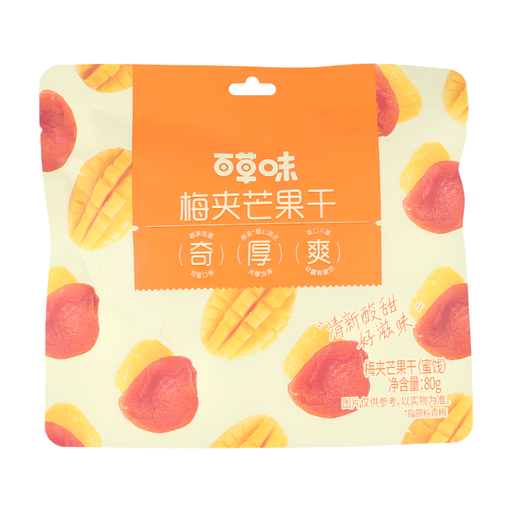 Image unavailable
The 12 small packs advertised may be handy if you want to hand out separately wrapped portions. Check the weight of each inner pack, then look at the sugars, salt and fat on the packaging.
 Image unavailable
The 30 packs of 30 g advertised make it easy to prepare separate portions for several lunch boxes. Check that these dates are the type of dried fruit you’re looking for; they’re listed as containing stones. Also check the nutritional values on the packaging.
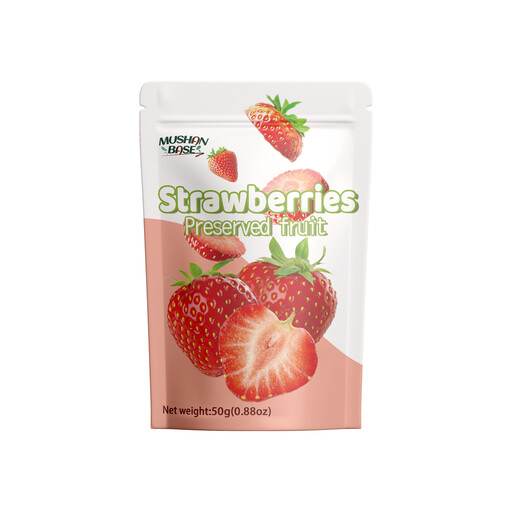 Image unavailable
The 50 g pack may be worth considering if you’re preparing a portion to take with you. Before planning several portions, check the inner packaging; also read the ingredients list and nutritional values for this product.
For a solid food carrying this claim, European regulations set a maximum of 3 g of fat per 100 g. Compare the per-100 g value on the label of the product you choose, rather than looking only at the value for one portion.
No. It may be a single pack that you open and reseal. If you need separately wrapped portions, check how many inner packs there are and how much each weighs.
No: fat content doesn’t tell you how much sugar a product contains. For example, Auchan’s listing for 125 g of raisins gives 1.4 g of fat and 67 g of sugars per 100 g. Compare the two nutritional values separately.
Read the allergens and ‘may contain’ warnings for the exact product, then check the instructions for after opening. According to Auchan’s listing, sultana raisins should be resealed, stored in the fridge and eaten within 15 days of opening; don’t assume the same instructions apply to other products.