People looking to limit fat
To choose a lower-fat item for lunch, distinguish dried fruit from nuts and mixed snacks, then compare the labels of the products you’re considering.


To keep the fat content down when putting together a lunch for the school holidays, start by comparing products made from dried fruit alone with nuts and mixed snacks, using the values per 100 g for each product. Check the sugars, salt, ingredients and allergens too. If the lunch is for a young child, the product’s shape and form matter as well.
To choose a lower-fat item for lunch, distinguish dried fruit from nuts and mixed snacks, then compare the labels of the products you’re considering.
It’s not just about the nutritional content: check the ingredients and allergens, and consider how the product will be served.
A variety of ingredients may appeal to you, but the inclusion of nuts means there are other things to check, particularly fat content and allergens.
For this lunch, first work out whether you’re looking at dried fruit, nuts or a mixed snack. Then compare the labels and choose a form that’s suitable for the person who’ll be eating it.
| Criteria | What to check | Who is it for? |
|---|---|---|
| Fat | Compare the fat content per 100 g, and look for nuts in the ingredients list of mixed snacks. | If I want to limit the fat in the product I choose, its recipe matters more than simply being labelled “dried fruit”. Around 46% of consumers prioritise this criterion. |
| Ingredients | Read the ingredients and allergen information, then compare the sugars and salt per 100 g. | When putting lunch together, I want to know what the product contains beyond its fat content. This is the main concern for around 36% of consumers. |
| Form suitable for a child | Check the texture and whether the product contains whole nuts before serving it to a young child. | When lunch is for a young child, I need to choose a form they can eat without a risk of choking. Around 18% of consumers put this precaution first. |
The term can also refer to nuts or mixed snacks. Carrefour, E.Leclerc and Auchan list 27 g, 30.8 g and 34 g of fat per 100 g respectively for three mixes with different recipes.
If fat content is your top priority, compare the per-100 g values for the specific products you’re considering, rather than relying on what they’re called.
Salt and fat are separate criteria. The no-added-salt mix featured by Auchan contains 34 g of fat per 100 g.
Check the “salt” and “fat” lines in the nutrition table separately.
The Carrefour Le Marché mix mentioned here contains hazelnuts, almonds, cashews and walnuts, among other ingredients. This is important if you need to take an allergy into account.
Read the ingredients list and allergen information on the pack you choose, even when buying a familiar product again.
Whole nuts can pose a choking hazard for young children.
Don’t serve whole nuts to a young child. If you want to include them, choose a suitable form, such as powder mixed into a dish.
These retailers offer different types of products to compare. The label on each individual product is what matters.
Worth checking if you want to compare dried fruit on its own with mixed snacks.
Worth checking if you want to distinguish dried fruit, nuts and mixed snacks.
Worth checking if you want to compare dried fruit sold on its own with a nut mix.
Worth checking for products such as raisins, dates, prunes and apricots.
Worth checking for Alesto dried fruit and nut products.
Worth checking for Trader Joe’s raisins featured by ALDI France.
These products are dried fruit sold on its own, selected for a lunch where fat content is a key consideration. Compare their labels, especially the sugars, and check the form of the product if a child will be eating it.
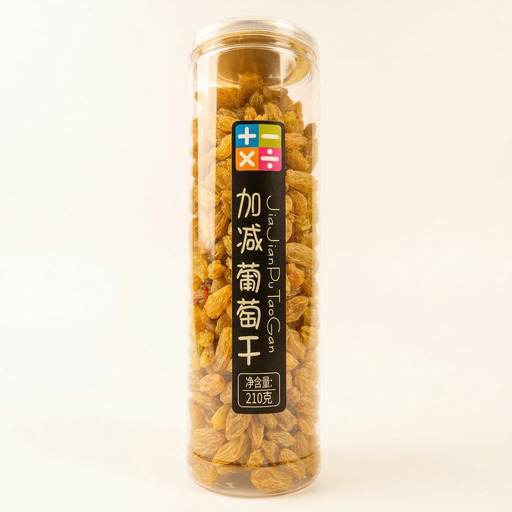 Image unavailable
These raisins are worth considering if you want to compare dried fruit sold on its own for lunch. The pack contains 210 g; check the nutritional values and whether the form is suitable for the person who’ll be eating them.
 Image unavailable
These pitted red dates are another type of dried fruit to consider for lunch. The pack contains 280 g; compare the fat and sugar content on the label before choosing.
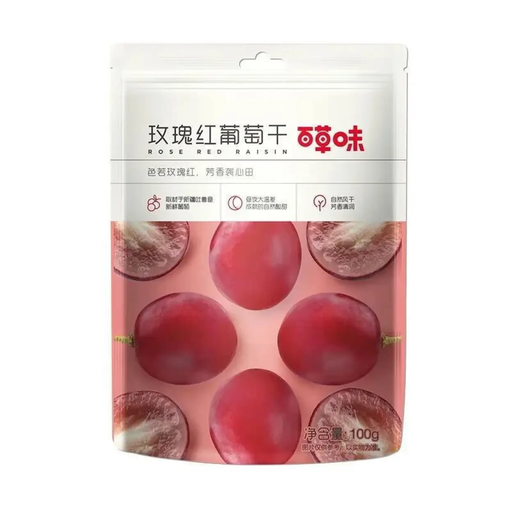 Image unavailable
These red raisins, sold on their own, can be included in a comparison of dried fruit for lunch. The pack contains 100 g; check the fat and sugar content, as well as the ingredients, of the product you choose.
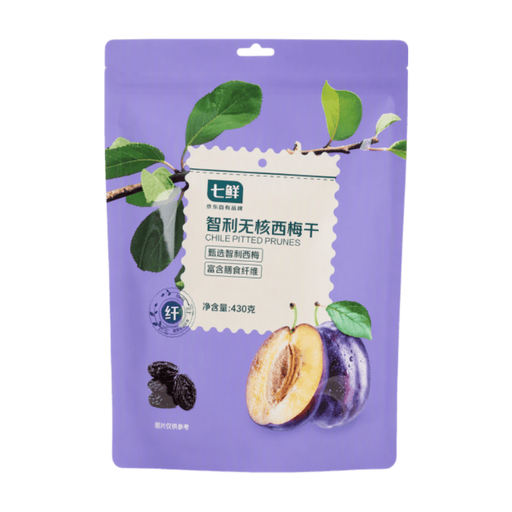 Image unavailable
These pitted prunes let you compare another type of dried fruit for lunch. The pack contains 430 g; check the values per 100 g and choose a suitable form if serving them to a child.
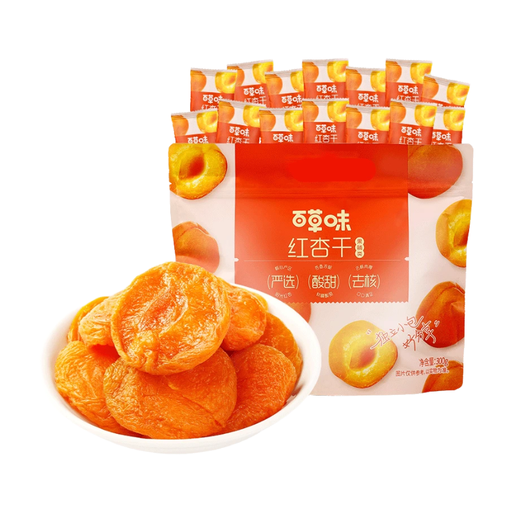 Image unavailable
These apricots, sold on their own, give you another option to compare for lunch. The pack contains 300 g; check the sugars and salt too, rather than judging the product on fat content alone.
No. The claim relates to salt, not fat: a no-added-salt mix featured by Auchan contains 34 g of fat per 100 g. Compare the two values separately.
For a pre-packed product, read the product name, ingredients, allergen information and nutrition information. The DGCCRF also highlights the importance of the net quantity and other labelling details. To compare recipes, use the values per 100 g, particularly for fat, sugars and salt.
Don’t serve whole nuts to a young child: their shape can pose a choking hazard. If you want to include them, choose a suitable form, such as powder mixed into a dish.
No. Comparing labels when preparing lunch isn’t the same as following a weight-loss diet. Manger Bouger advises against weight-loss diets for children, so don’t make a product’s fat content a weight-loss goal.