What should you check before choosing?
First, find out what each guest needs to avoid, then check each product: plain dried fruit, nut mixes and seasoned snacks all require different checks.
| Concern |
What to check |
Who is this for? |
| A specific allergen |
The ingredients list, any allergens emphasised on the label and any precautionary ‘may contain’ statements on the packet you choose. |
If a guest needs to avoid peanuts or a tree nut, I can’t rely on a ‘gluten-free’ label alone. Around 40% of consumers say avoiding a known allergen is their top priority. |
| Strictly gluten-free |
The ‘gluten-free’ label and, if you’re looking for this indication, the Crossed Grain symbol. Check for any other relevant allergens too. |
If a guest needs to avoid gluten strictly, I look for a clear indication rather than assuming a product is suitable based on the type of fruit. This is said to be the priority for around 30% of consumers. |
| A buffet with multiple dietary restrictions |
The information for each product, then separate bowls with the packaging available. |
When guests don’t all need to avoid the same ingredients, I prefer to serve separate options rather than one mixed snack. Around 20% of consumers are said to make this their main priority. |
| An easy-to-read ingredients list |
The ingredients list; when comparing nutritional information, use the same basis of 100 g. |
If I’m mainly looking for a recipe that’s easy to check, I compare packets without assuming that a short ingredients list guarantees the absence of allergens. This is said to be the priority for around 10% of consumers. |
Brands and ranges to know
These examples can help you identify different types of product, but they don’t mean that an entire retailer’s range is suitable for a particular dietary restriction. The label on the specific product you choose is what matters.
Auchan
Auchan offers a dried fruit muesli labelled ‘gluten-free’. It’s a useful example of how this label doesn’t mean a product is free from all allergens, but this muesli is intended for breakfast.
- The product page gives a specific example of a product labelled gluten-free.
- It also lists almonds and hazelnuts, and may contain traces of other allergens, so it isn’t suitable for every dietary restriction.
E.Leclerc / Chaque Jour Sans Gluten
E.Leclerc stocks an organic oat and dried fruit muesli from the Chaque Jour Sans Gluten range. This breakfast product isn’t, by itself, an option for drinks.
- The range name helps you identify a product presented as gluten-free.
- If you need to avoid anything else, check the ingredients and allergen information on the relevant packet.
Lidl / Alesto
Lidl’s Alesto range includes dried fruit, tree nuts and savoury snacks. This variety gives you options to look at for separate bowls, but their allergen profiles aren’t the same.
- The range offers several formats to consider when putting together separate bowls.
- Lidl says gluten-free products aren’t part of its permanent range, so check the specific product available.
ALDI / TRADER JOE'S
ALDI offers products including raisins and, in its TRADER JOE'S selection, dates, almonds and a mix containing cashews and peanuts.
- These products illustrate the difference between a single dried fruit and a mix containing several ingredients.
- As some products contain tree nuts or peanuts, you can’t assume that the characteristics of one packet apply to the whole selection.
Monoprix
Monoprix’s dried fruit selection includes raisins, dates, figs, prunes, dried mango and dried apricots.
- Choosing products sold separately can help you put together several bowls rather than serving one mixed snack.
- Check the allergen information on each packet and the selection available when you shop.
Dried fruit and fruit snacks on Joybuy
These dried fruit and fruit-based snack products could be served as separate options with drinks. Their names alone don’t tell you whether they’re suitable for someone avoiding gluten or a particular allergen, so check the label on the packet you choose before serving it.
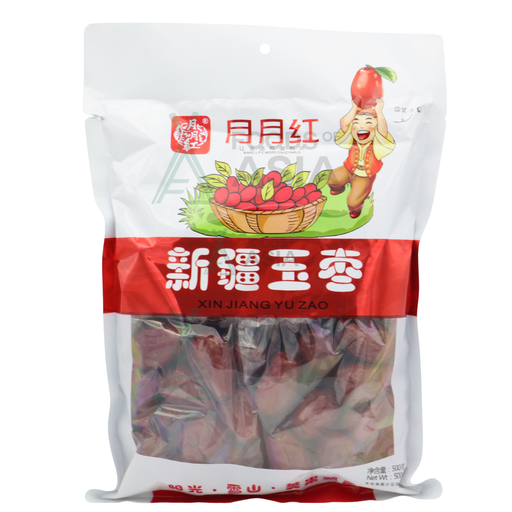 Image unavailable
YYH Xinjiang Dried Jujubes 500 g
A packet of dried jujubes to consider if you’d like to serve fruit in a separate bowl. If someone needs to avoid a particular ingredient, check the packet for ingredients, allergens and any precautionary ‘may contain’ statements. Don’t assume it’s gluten-free based on the product name alone.
View on Joybuy
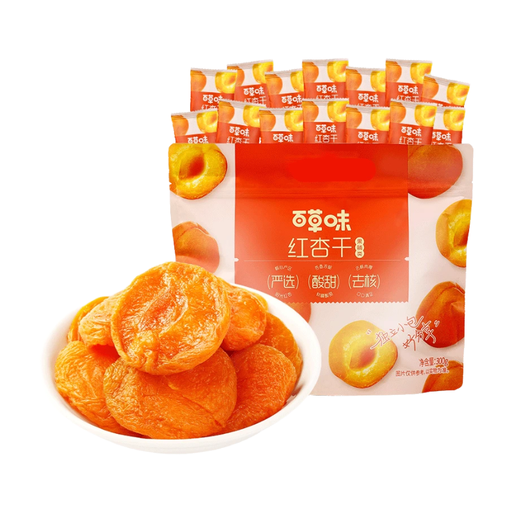 Image unavailable
Be&Cheery Dried Red Apricots 300 g
These dried apricots offer another fruit to serve separately from savoury snack mixes. If a guest needs to avoid an allergen or gluten, check the relevant information on the exact packet before choosing this option.
View on Joybuy
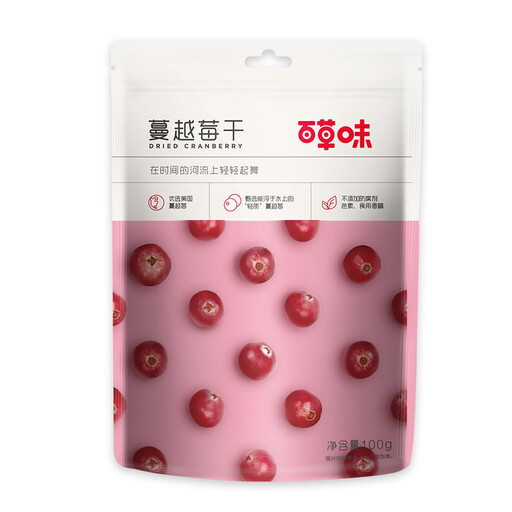 Image unavailable
Be&Cheery Dried Cranberries 100 g
This packet of dried cranberries could be served as a separate fruit option on your buffet. Check the full ingredients list rather than assuming it contains only fruit, then check the allergen and gluten information to suit your guests’ needs.
View on Joybuy
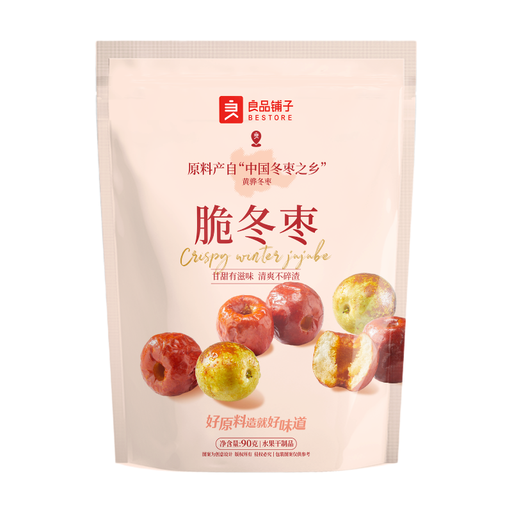 Image unavailable
bestore Crispy Jujubes 90 g
This crispy jujube snack is worth considering if you’d like to offer a variety of separately served products. Don’t assume it’s the same as dried fruit made from fruit alone: check the ingredients, allergens and any information relevant to avoiding gluten on the packet.
View on Joybuy
Frequently asked questions
Is dried fruit labelled ‘gluten-free’ also free from other allergens?
No. ‘Gluten-free’ doesn’t mean a product is free from tree nuts, peanuts, milk or sesame. For example, Auchan’s gluten-free muesli contains almonds and hazelnuts, so always check for the specific allergen that needs to be avoided on the product you choose.
What should I read on a packet before serving it with drinks?
First, read the ingredients list and allergen information for the exact product, then check for any precautionary ‘may contain’ statements. The DGCCRF advises that allergens present among the ingredients in prepacked foods must be emphasised on the label.
What is the Crossed Grain symbol for?
AFDIAG presents it as an indication to look for when choosing a gluten-free product. If you also need to avoid another allergen, the symbol doesn’t replace checking the ingredients list and other information on the packet.
Should I take notice of a ‘may contain’ statement?
Yes, if it relates to an ingredient that one of your guests needs to avoid. This type of statement flags a possible presence separate from the ingredients in the recipe. Don’t present the product as suitable without taking the relevant dietary restriction into account.
How can I compare the nutritional information on two packets?
Compare the nutritional values on the same basis, including sugars, salt and fat per 100 g. The DGCCRF says this makes it easier to compare prepacked foods, but it doesn’t replace checking the ingredients that need to be avoided first.


