Parents of children under 6
The shape matters more than the packaging. Manger Bouger advises against whole nuts before the age of 6. If you choose dried fruit, check for stones and make sure the texture suits your child’s ability to chew.


To swap sweets for something else in your child’s bag from time to time, first choose a shape that’s suitable for their age and check the allergens. Manger Bouger advises against whole nuts before the age of 6 because of the risk of choking. For dried fruit, Assurance Maladie highlights its sugar content. Check the ingredients and how much you plan to pack, too: a resealable bag isn’t necessarily a single portion.
The shape matters more than the packaging. Manger Bouger advises against whole nuts before the age of 6. If you choose dried fruit, check for stones and make sure the texture suits your child’s ability to chew.
A bag that’s easy to pack doesn’t necessarily contain the right amount for one snack. The packs listed by Carrefour, Monoprix and Auchan may need to be divided up before you leave.
First, avoid the identified allergen and read the label on the product you choose. If your child has a diagnosed allergy, follow the avoidance advice agreed with their healthcare professional, as Assurance Maladie recommends.
When choosing a snack to take with you, start with the shape and ingredients, then pick packaging that lets you prepare the amount you need.
| What to consider | What to check | Who is this for? |
|---|---|---|
| Shape and chewing | Know the difference between dried fruit and nuts; check for stones. Manger Bouger advises against whole nuts before the age of 6. | When my child is young, I want to avoid anything they can’t chew or swallow safely. A shape suited to their age would be the top priority for around 36% of consumers. |
| Ingredients and allergens | Read the ingredients list, paying particular attention to sulphites, nuts, added sugar and salt. | If an ingredient needs to be avoided or I’m comparing recipes, I need to know exactly what’s in the bag. Around 29% of consumers would put the ingredients first. |
| Transport and quantity | Check the net weight, whether the bag can be resealed and whether it contains separate portions. | For an outing, I want to be able to pack the amount I choose without taking the whole packet. Portioning would be the main priority for around 21% of consumers. |
| Single fruit or mix | Compare the fruit and ingredients in each recipe, as well as the pack size you’ll need to divide up at home. | If I’m preparing several snacks, I might choose a fruit my child knows or mix things up, while checking every ingredient. The choice of assortment would be the top priority for around 14% of consumers. |
Dried fruit and nuts have different shapes. Manger Bouger warns of the risk of choking on whole nuts before the age of 6.
Don’t give whole nuts to children under 6. If you’re considering nuts in powdered form mixed into a dish, take any allergies into account.
Raisins, dates, figs and dried apricots contain sugars, as Assurance Maladie points out. So the fact that a product contains fruit isn’t, by itself, a reason to offer it on every outing.
Compare the ingredients and keep this option for occasional use rather than making it a regular snack.
A mix contains several ingredients to check. The SUN assortment listed by Auchan includes sulphites E220.
Read the label on the specific product every time you buy it. If your child follows an exclusion diet for a diagnosed allergy, stick to the advice they’ve been given.
A resealable pack lets you keep what’s left, but it doesn’t tell you how much to take with you. Carrefour, Monoprix and Auchan also sell bags that are intended to be divided up.
Check the net weight and, if needed, put the amount you want in a separate container before you go out.
Carrefour’s range includes Carrefour Original raisins in a 125 g bag.
Auchan offers dried fruit and mixes, including a 200 g SUN mix.
Monoprix’s range includes Monoprix Bio raisins in a 250 g bag.
These products offer two ways to take a fruity snack with you: divide a bag of raisins yourself or choose an assortment of plums packed in separate bags. The second is a prepared plum product, not the same as plain dried raisins. In both cases, the shape and ingredients need to be suitable for your child.
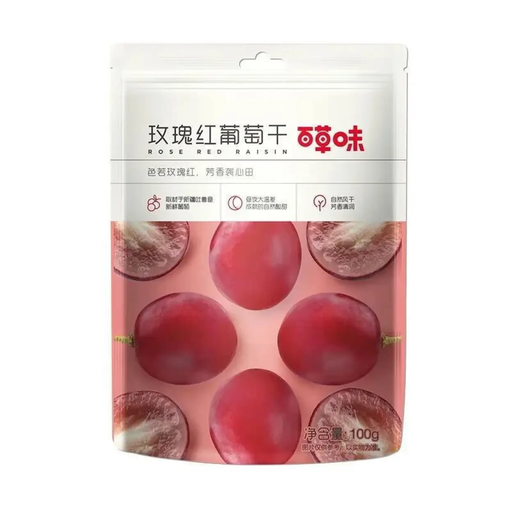 Image unavailable
A bag of raisins to consider if you’d like to prepare the amount to take with you yourself. Check the size and texture of the raisins for your child, and whether the bag can be resealed if you plan to keep the rest.
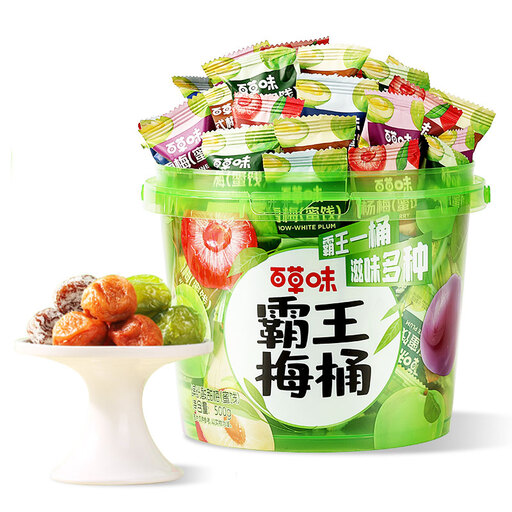 Image unavailable
The separate sachets make this product easy to take with you, but they don’t tell you how much is right for your child. The product description lists sugar, salt, sweeteners, sulphites and the colourant E124, alongside a warning that it may adversely affect children’s activity and attention. Check the label, the weight of each sachet, whether there are any stones and the texture before offering it to your child.
No. Manger Bouger advises against giving them whole nuts before the age of 6 because of the risk of choking. If nuts are suitable for your child, mixing them into a dish in powdered form avoids giving them whole pieces.
It’s a different option, but not one to offer as a matter of course. Assurance Maladie highlights the sugar content of raisins, dates, figs and dried apricots. Compare the ingredients in the product you choose, too.
Avoid the identified allergen according to medical advice, as Assurance Maladie recommends. Check the ingredients and allergen information on the specific product’s packaging every time you buy it.
No. Resealability and quantity are two different things. Check the product weight and whether it contains separate sachets. If not, prepare the amount you want to take in another container.
Each mix can contain several fruits and other ingredients. For example, the SUN assortment listed by Auchan includes sulphites E220. Check the recipe on the pack you choose, especially if an ingredient needs to be avoided.