Households that regularly serve snacks
If several people regularly dip into the same pack, a family-size format may suit your needs. Carrefour and Auchan, for example, list 400 g and 500 g products. Choose an amount your household will actually use.


For regular snacks, choose a large pack only if your household will use it before the date shown, then check the ingredients. A ready-to-eat mix may contain several ingredients, while ground almonds are intended to be added to a recipe for a child under 6: Manger Bouger advises against whole nuts before this age because of the risk of choking.
If several people regularly dip into the same pack, a family-size format may suit your needs. Carrefour and Auchan, for example, list 400 g and 500 g products. Choose an amount your household will actually use.
The term ‘dried fruit’ can refer to anything from plain nuts to mixes containing other ingredients. Manger Bouger distinguishes between unsalted, unsweetened nuts with no chocolate and other products. The ingredient lists for mixes from Auchan and E.Leclerc show why it’s important to check each one.
The product’s form and labelling matter just as much as the pack size. Manger Bouger advises against whole nuts before the age of 6. If your child has a known allergy, check the ingredients and precautionary statements on the pack you buy.
Start with your child’s age and the ingredients, then choose the quantity and packaging to suit how often you serve snacks.
| What matters | What to check | Who this matters to |
|---|---|---|
| Useful quantity | Compare the net weight and the date shown with how often you expect to use the pack. | When snacks are a regular fixture, I want a pack that’s big enough without leaving unused leftovers. Around 36% of consumers might put the match between quantity and use first. |
| Ingredients | Check the ingredients in a mix: some recipes may contain sweetened fruit, oils or sulphites. | If I’m looking for plain nuts, the name ‘dried fruit mix’ isn’t enough to help me choose. Around 29% of consumers would put simple ingredients first. |
| Age and allergens | For children under 6, avoid whole nuts, in line with Manger Bouger’s advice; check the allergen information on the pack. | For a young child or a child with a known allergy, I first need an age-appropriate form and clear labelling. This would be a priority for around 21% of consumers. |
| Portions and variety | Choose between a single ingredient, a mix and individual packs, depending on how you plan to use them. | If tastes vary or snacks need to be portioned out, I’d rather be able to manage the portions than open a large mix that won’t be eaten. Around 14% of consumers would prioritise this. |
A large pack may be left open or leave leftovers if your household doesn’t eat it often.
Match the net weight to your snacking habits and check the date shown on the pack.
Mixes listed by Auchan and E.Leclerc may also contain sweetened fruit, oils or sulphites. They’re not the same as plain nuts.
For a precise idea of what’s in a product, read the ingredients list for the one you’ve chosen rather than relying on its name.
Manger Bouger warns of the risk of choking in children under 6.
At this age, add ground nuts to a recipe instead of serving them whole.
If your child has an allergy, the ingredients and precautionary statements on the pack being served are essential.
Check this information on the product you’ve actually bought, even if the name looks familiar.
The range includes 400 g packs of dates and products such as ground almonds.
The retailer offers loose dried fruit as well as packaged mixes.
The range includes 500 g packs of ground almonds, 400 g packs of roasted almonds with no added salt, and mixes.
The Alesto range includes dried fruit, nuts and savoury snacks.
Aldi lists, among other products, 200 g packs of blanched almonds with no added salt and roasted almonds with no added salt.
Monoprix Courses lists, among other products, a 400 g pack of Naturalia organic dried fruit mix.
These products include dates or jujubes in packs, and prepared plums in individual portions. Choose between an amount to share and separate portions, without treating their recipes as the same as plain nuts.
 Image unavailable
The 500 g pack may suit regular snacks if you’ll use this amount. The dates are described as pitted; check the date and nutritional information on the pack before choosing this size.
 Image unavailable
The 280 g pack may suit you if 500 g would be more than you need. These red dates are described as pitted; check the date and nutritional information on the pack.
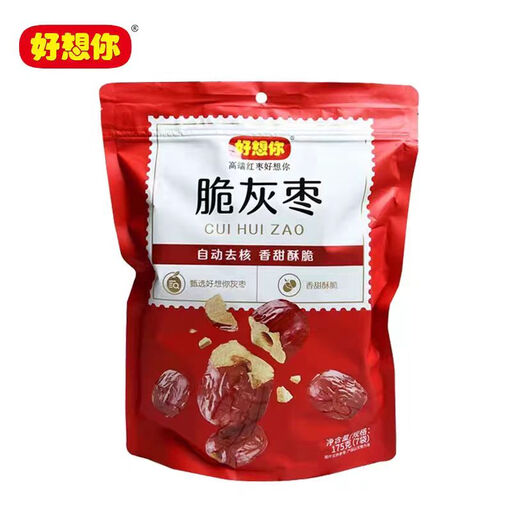 Image unavailable
The 7 packs let you portion out snacks without opening the whole quantity at once. The total weight is 175 g: choose this format for its individual portions rather than the overall pack size, and check the label before serving.
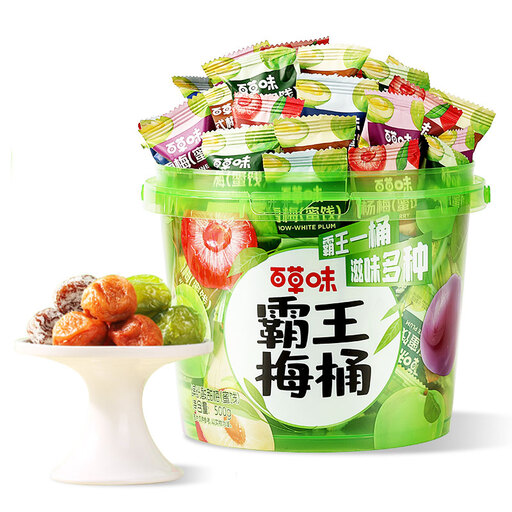 Image unavailable
The 70 individual packs make portioning easy, but these prepared plums aren’t plain nuts. The product information lists sugar, salt, sweeteners, sulphites and the colour E124. It also warns of a possible adverse effect on children’s activity and attention: check the ingredients before serving.
No. Manger Bouger advises against whole nuts before the age of 6 because of the risk of choking, and recommends adding them to recipes in ground form. For an older child, also take their abilities and any allergies into account.
No. Listings for mixes from Auchan and E.Leclerc mention sweetened fruit or oils, depending on the product. The ingredients list on the pack you choose will show how its recipe differs from plain nuts.
A large pack is better suited to regular, shared consumption, provided you’ll use it before the date shown. Individual portions are more suitable when you need to portion out snacks. In either case, check the total quantity and ingredients.
Check the ingredients and precautionary statements on the pack you’ve actually bought rather than relying on the product name alone. Anses highlights the importance of food labelling for people with allergies.
When choosing a product, check its name, ingredients, net quantity, date and nutritional information. The French Directorate General for Competition Policy, Consumer Affairs and Fraud Control lists these among the details required on pre-packed food labels. Also read any allergen information that’s relevant to your child.