Hikers keeping an eye on fat content
You want to compare the stated fat content on different packs without treating plain dried fruit as the same as a mix or a preparation containing other ingredients.


If you’re looking to limit the fat in your hiking snack, start by comparing plain dried fruit: check the nutritional values per 100 g and the ingredients list on each pack. A mix, fruit crisps or a ‘reduced fat’ claim aren’t enough to show that a product meets your needs. Depending on what matters to you, check the sugars, added ingredients and allergens too.
You want to compare the stated fat content on different packs without treating plain dried fruit as the same as a mix or a preparation containing other ingredients.
You want a practical snack to enjoy on the move, while keeping sugars, fat and ingredients in mind when choosing.
You need to tell plain dried fruit apart from recipes containing several ingredients, and check for allergens before setting off.
For a hiking snack, first choose the type of product that suits your priorities, then compare the information on the specific pack.
| What to consider | What to check | Who is it for? |
|---|---|---|
| Fat | Compare the fat per 100 g in products intended for the same use, and read their ingredients lists. | If I want to limit fat, the words ‘dried fruit’ aren’t enough: I need a value I can compare. Around 42% of consumers prioritise this check. |
| Pack size for taking on the go | Check the pack size and whether you can divide the contents up for your trip. | When I’m hiking, I want a snack that’s easy to carry and enjoy, rather than choosing based solely on an ‘energy’ claim. Around 33% of consumers put ease of use first. |
| Ingredients and allergens | Read the full recipe and look for any allergens listed, especially in mixes. | If certain ingredients or allergens are a concern for me, I need to know what’s in the product before putting it in my bag. Around 25% of consumers prioritise being able to understand the ingredients. |
A search term or the appearance of a pack doesn’t prove that its fat content has been reduced. The DGCCRF reminds consumers that nutrition claims are regulated.
Compare the value per 100 g for the specific product. Only describe it as ‘reduced’ or ‘low fat’ if that claim appears on the product and can be verified.
Plain dried fruit, a mix with nuts and a fruit preparation can all have different recipes, even when they’re on the same shelf.
Identify the type of product, then compare its ingredients list and nutritional information.
When a product contains several ingredients, it’s especially important to read the ingredients list if you need to avoid an allergen.
For a prepacked product, look for allergens highlighted in the ingredients list. For a non-prepacked product, ask the retailer for the information.
The pack size should suit the amount you plan to take and how long you intend to keep the product.
Check the best-before date and plan how you’ll divide up and store the contents during your trip.
Carrefour’s dried fruit range includes products such as raisins and dates.
Carrefour’s range includes Daco Bello goji berries and ginger preparations.
Carrefour’s range includes Seeberger dried pineapple, crystallised ginger and coconut crisps.
Carrefour offers Brousse & Fils dates and figs in a range of pack sizes.
Decathlon France offers Noberasco dried fruit, including apricots, figs and a tropical mix.
This selection includes plain raisins and two fruit preparations to consider separately when comparing fat content for a hike. Check the recipe, sugars and allergens on the pack you choose.
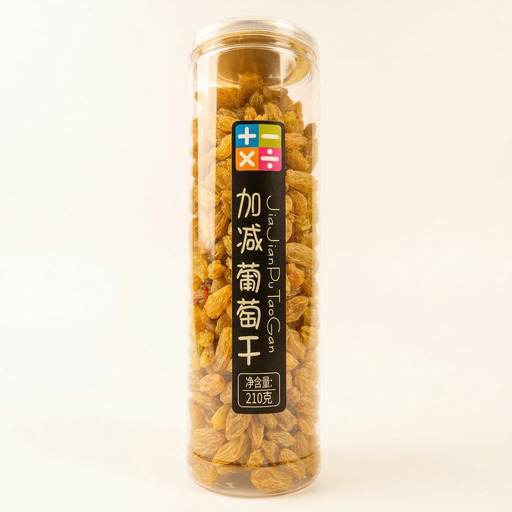 Image unavailable
If you want to start with plain dried fruit, this 210 g pack of raisins gives you a product to check before comparing. Look at the fat per 100 g on the packaging; don’t describe this product as ‘reduced fat’ based on its category alone.
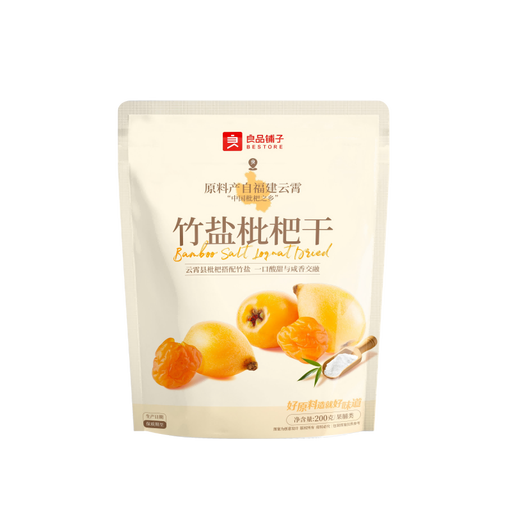 Image unavailable
Consider this if you’re looking for a ready-to-eat fruit preparation to take with you, rather than plain dried fruit. The recipe includes sugar, syrup and salt, and sulphites are listed. Check the sugars and fat on the packaging of this 200 g pack before choosing.
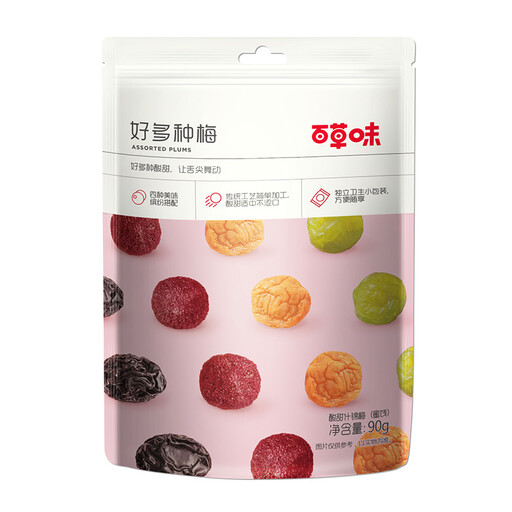 Image unavailable
This 90 g pack may appeal if you prefer a smaller size, but it’s a plum preparation rather than plain dried fruit. The recipe lists sugar, sweeteners and flavourings; sulphites are also listed. Check the ingredients and nutritional information on the packaging.
No. The term covers different fruits and recipes, so compare the fat per 100 g and the ingredients of the specific product. The DGCCRF reminds consumers that nutrition claims are regulated; don’t assume a product is reduced fat just because it’s in the dried fruit aisle.
Read the product name, ingredients and nutritional information to tell plain fruit from a preparation, then compare the fat and sugars per 100 g. Also check the pack size and date based on how much you plan to take with you.
For a prepacked mix, look for allergens highlighted in the ingredients list. For a non-prepacked food, French regulations require information about relevant allergens. Ask the retailer if it isn’t clearly displayed.
Check the best-before date and choose a pack that suits how long you plan to store it. Also check the packaging is in good condition and plan how you’ll store the contents once opened.