When choosing dried fruit to take with you over the October half-term holidays, start with the specific ingredient or allergen you need to avoid, then check the ingredients list and any warnings on the packet. If you need to avoid gluten strictly, look for a ‘gluten-free’ claim on the finished product. ‘No added sugar’ and ‘no added salt’ claims address different needs and don’t guarantee that a product is free from allergens. Dried fruit with a short ingredients list makes the label easier to read, while a mix calls for more ingredients to be checked.
Who are these choices for?
Families avoiding a specific allergen
If someone needs to avoid peanuts, tree nuts or another identified allergen, the ingredients and warnings on the packet matter more than the name of the aisle. The French Ministry of the Economy reminds shoppers that allergenic ingredients must be highlighted on the labels of pre-packed foods.
People strictly avoiding gluten
The fact that a snack is mainly made from fruit isn’t enough to confirm that it’s suitable for someone strictly avoiding gluten. The ‘gluten-free’ claim on the finished product is governed by a framework set out in Commission Implementing Regulation (EU) No 828/2014.
Shoppers looking for a short ingredients list
For a snack or a journey, you can compare ingredients and look for a product labelled ‘no added sugar’ or ‘no added salt’. These preferences don’t replace checking for allergens.
What should you check before buying?
For the October half-term holidays, separate dietary exclusions from ingredient preferences, then choose a format that suits the people who’ll be eating it.
| Criteria |
What to check |
Who it’s for |
| Specific allergen |
The highlighted ingredients and any warnings relating to the allergen you need to avoid on the exact packet. |
If someone needs to avoid peanuts or a tree nut, a convenient mix is only suitable if every ingredient and all the warnings are compatible with that exclusion. Around 36% of shoppers would put this specific allergen first. |
| Gluten |
The ‘gluten-free’ claim on the finished product; check for other allergens separately. |
If you need to avoid gluten strictly, the appearance of dried fruit isn’t enough to choose a snack to take with you. Gluten would be the top priority for around 29% of shoppers. |
| Added sugar or salt |
The claim you’re looking for and the ingredients list; ‘no added sugar’ doesn’t mean ‘sugar-free’. |
For a holiday snack, some shoppers mainly want to avoid added salt or sugar, without confusing this preference with avoiding allergens. Around 21% would make this their main criterion. |
| Travel and age |
The format, instructions for after opening, and any warnings about hard pieces, stones or shells. |
Before a family journey, choose convenient packaging and take into account the age of the people who’ll be eating the snack. This would be the top priority for around 14% of shoppers. |
Common pitfalls to avoid
-
Assuming ‘dried fruit’ excludes nuts
This aisle may include dehydrated fruit, almonds, cashews and mixes. A Maître Prunille mix, for example, contains raisins, almonds and hazelnuts, so the category name alone doesn’t rule out an allergen.
If you need to avoid a specific ingredient, read the ingredients and manufacturing warnings for the product you’re considering before choosing it.
-
Confusing ‘gluten-free’ with ‘allergen-free’
The ‘gluten-free’ claim addresses gluten; it doesn’t mean the product is free from peanuts, tree nuts, milk, sesame or soya.
Check the gluten-related claim, then check separately for each allergen that concerns you.
-
Judging a mix by its appearance
Products sold as dried fruit may be plain, seasoned or made with several ingredients. A claim about sugar or salt doesn’t tell you everything about the recipe.
Compare the ingredients and claims on the exact packet, especially if you want to avoid a particular added ingredient.
-
Assuming a travel snack is suitable for every age
A Maître Prunille mix carries a warning for children under 36 months because of the risk of choking. This warning applies to this particular product and doesn’t describe all dried fruit.
Before preparing a snack for a young child, follow the warnings on the product you’ve chosen and check whether it contains hard pieces, stones or shell fragments.
Brands to compare when checking ingredients
A brand may offer both plain dried fruit and mixes, so always check the specific product rather than assuming what it contains based on the range.
Maître Prunille
The brand offers prunes, dried fruit, nuts and mixes, as well as ranges labelled ‘no added sugar’ or ‘no added salt’.
- You can compare different types of product according to the added ingredient you want to avoid.
- Its raisin, almond and hazelnut mix contains tree nuts and states that other allergens are handled at the production site.
Seeberger
Seeberger dried fruit products, including mango, cranberries and apricots, are featured in the range shown by Monoprix.
- These products let you compare different types of dehydrated fruit.
- The product range is no substitute for checking the ingredients and allergen information on the packet you choose.
Alesto
Lidl France lists Alesto among its dried fruit, nut and savoury snack ranges, including mango strips labelled ‘no added sugar’.
- The range includes different recipes to consider depending on your preferences about added ingredients.
- A claim on one product doesn’t apply to all Alesto products.
TRADER JOE'S® chez ALDI
ALDI France lists products under this brand including raisins, Deglet Nour dates and unsalted shelled almonds.
- Separate products let you compare dehydrated fruit with nuts.
- If you need to avoid an allergen, check the ingredients of the product you choose, especially if it’s a mix.
AUCHAN
Auchan’s online ranges list several categories separately, including raisins, dates, figs, prunes, almonds and mixes.
- This distinction can help you look for plain dried fruit rather than a mix.
- A product category doesn’t confirm whether a specific product contains allergens or carries a ‘gluten-free’ claim.
Dried fruit and snacks available on Joybuy
These options include three dried fruit products to compare if you’re looking for a simple recipe, plus an individual fruit and nut bar. If you need to avoid an ingredient, the composition and claims on the exact packet are what matter.
 Image unavailable
Haoxiangni Grade 2 Fresh-Locked, pitted red dates, Original Flavour, 280 g
Worth considering if you’d like to take red dates with a simple recipe on the go. The product listing describes a 280 g packet that’s ready to eat. If you need to avoid an ingredient strictly, check the packaging for allergens, manufacturing warnings and any necessary ‘gluten-free’ claim.
View on Joybuy
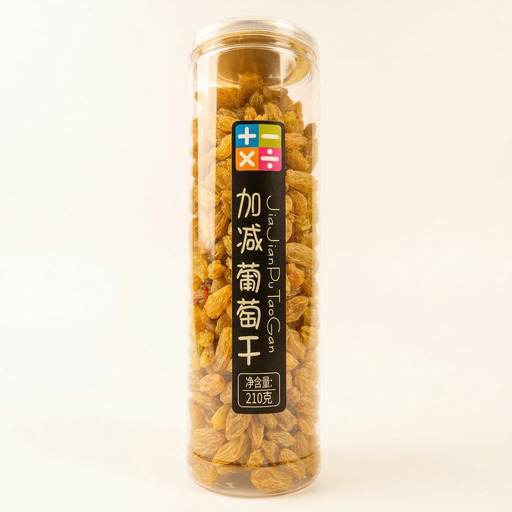 Image unavailable
Jia Jian Cheng Chu, raisins, 210 g
This 210 g packet is described as ready to eat, making it an option for a raisin-based snack on the go. Check the label if your choice depends on avoiding an allergen, finding a ‘gluten-free’ claim or avoiding added sugar.
View on Joybuy
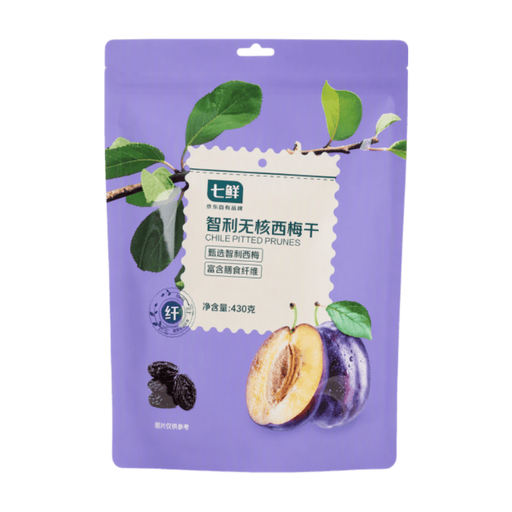 Image unavailable
7FRESH, pitted prunes, 430 g
This 430 g packet may suit you if you’re looking for prunes to share or include in a snack. The product listing recommends eating them soon after opening. Also check the packaging for any warnings relevant to your dietary requirements.
View on Joybuy
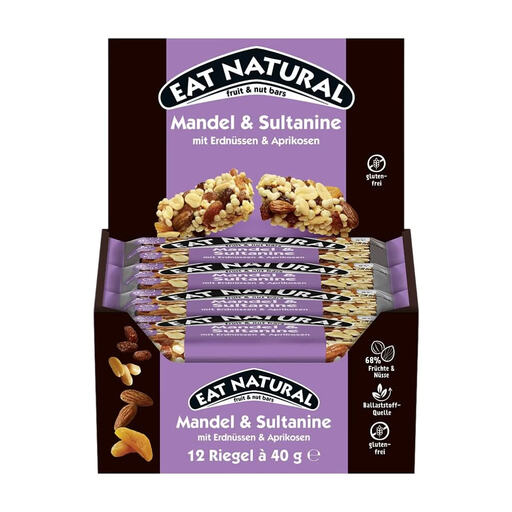 Image unavailable
Eat Natural Almond, Raisin & Apricot Fruit & Nut Bar, 40 g
This individually wrapped bar may suit you if you need an easy-to-carry format, rather than dried fruit made from a single ingredient. The product listing says it contains almonds and peanuts and is ‘gluten-free’. It isn’t suitable if you need to avoid either of these ingredients, and if the gluten claim is important to you, check it on the packaging.
View on Joybuy
Frequently asked questions
Is a ‘allergen-free’ claim enough to choose dried fruit?
No. Choose based on the specific allergen you need to avoid. Read the ingredients and manufacturing warnings on the packet. A mix may contain tree nuts and state that other allergens are handled at the production site.
Is dried fruit automatically gluten-free?
If you need to avoid gluten strictly, don’t assume so just because of the type of fruit. Look for a ‘gluten-free’ claim on the finished product, in line with the framework set out in Commission Implementing Regulation (EU) No 828/2014, and check separately for any other allergens that concern you.
Is a dried fruit mix suitable for a child under 3?
Check the warning on the specific product you’re considering. A Maître Prunille raisin, almond and hazelnut mix states that it isn’t suitable for children under 36 months because of the risk of choking. This warning shouldn’t be applied to every product in the aisle.
What should I check when keeping a packet over the holidays?
Check the best-before date and storage instructions for the product you choose, especially after opening. If you have a large packet for several snacks, this information can help you decide when to open it and how to store it.


