What should you look for?
When choosing a snack for an outing, start by checking the form of the product, then read the label and consider how much to take. Dried fruit and powdered nuts are suited to different uses.
Dried fruit
Worth considering: for a snack to take out, provided it has no stones and its texture can be adapted for your child.
Bear in mind: ready-to-go packaging is no substitute for checking the ingredients, allergens and nutritional information.
Powdered nuts
Choose this: to add nuts to a dish, rather than serving them whole to a child under 6.
Bear in mind: this form needs to be prepared and is not a standalone, ready-to-eat snack in a pack.
| What to consider |
What to check |
Who is this useful for? |
| Form and texture |
Look out for whole nuts and avoid them for children under 6, in line with Santé publique France recommendations. For dried fruit, check for stones and serve it in a way that suits your child’s chewing ability. |
If my child is still getting used to pieces of food, I want to choose a form they can manage, rather than a pack that’s simply easy to open. Around 46% of consumers put texture first. |
| Ingredients and allergens |
Read the ingredients and highlighted allergens, and check the sugars per 100 g in the nutritional information for the specific product. |
When choosing between several packs of dried fruit, I want to be able to compare their ingredients and identify allergens before making a choice. For around 27% of consumers, checking the label is their main priority. |
| Portion and portability |
Compare the net weight and packaging, and decide how much to take without assuming the whole pack is a child-sized portion. |
For an outing, I’d rather prepare an amount that’s easy to carry than take a large, opened pack. This is the first consideration for around 18% of consumers. |
| Finding products in store |
Look separately at dried fruit, mixes and powdered nuts. Check each product rather than relying on the name of the aisle. |
At my usual supermarket, I want to find the form of product I’ve chosen without any confusion. Around 9% of consumers prioritise how easy it is to find what they’re looking for. |
Retailers and brands to explore
These ranges can help you compare different forms of product. Their inclusion here does not mean that any particular product is automatically suitable for a toddler.
Carrefour
Carrefour’s dried fruit range includes raisins and other dried fruit.
- The different product sections make it easier to look at dried fruit and mixes separately.
- The range also includes nuts and dates with stones, so check the form of the specific product.
Auchan
The range we looked at is divided into several categories, including ground almonds for use in a recipe.
- Ground almonds are worth considering if you’d like to add almonds to a dish.
- Don’t confuse this form with the whole nuts in the same aisle, which Santé publique France advises avoiding for children under 6.
Monoprix
Monoprix’s dried fruit range lets you compare products, including packs of raisins.
- The product details for one raisin mix list its ingredients and identify sulphur dioxide as an allergen.
- This information doesn’t apply to the brand’s other packs, so check each label.
Lidl
Lidl’s Alesto range includes dried fruit, nuts and snacks for sharing.
- These product categories make it easier to search separately for the form you want.
- The range name alone won’t tell you whether a product is dried fruit or a crunchy mix containing whole nuts.
Aldi
Aldi’s range includes a 250 g pack of raisins.
- The stated weight helps you distinguish between the pack size and the amount you want to take out.
- You’ll still need to check the form, ingredients and texture of the product you choose for your child.
Dried fruit available on Joybuy
These four products are dried fruit, not powdered nuts. They come in different pack sizes. Before offering any of them to a toddler, check for stones, read the ingredients and check the texture of the product you receive. Then prepare an amount that’s suitable for your outing.
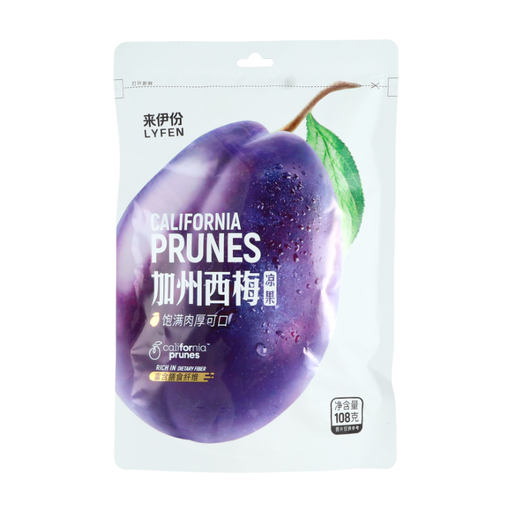 Image unavailable
LYFEN California dried plums 108 g
The 108 g pack could be suitable for preparing a snack to take out. Before offering it to your child, check for stones and consider the texture. Also check the ingredients list and sugars on the packaging: the composition and sugar information associated with this product are contradictory.
View on Joybuy
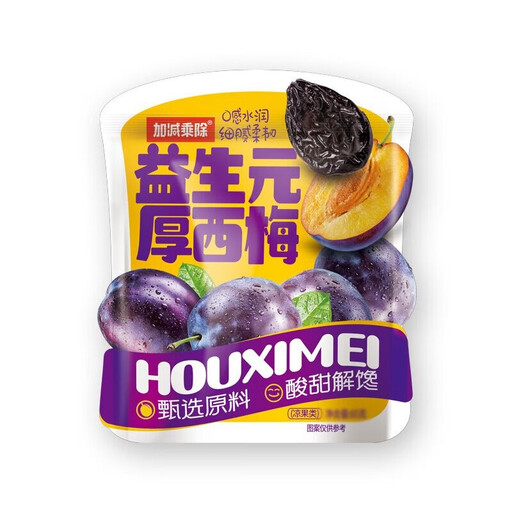 Image unavailable
Jia Jian Cheng Chu Prebiotic Thickened Prunes 65 g
The 65 g pack may appeal to families preparing a snack for an outing. Check the packaging to see whether the prunes are stoned, and consider their texture before offering them to your child. Also read the ingredients and check the sugars listed.
View on Joybuy
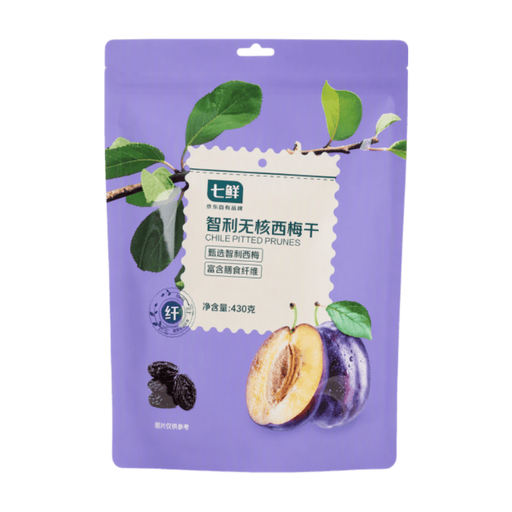 Image unavailable
7FRESH pitted prunes 430 g
This 430 g pack is better suited to buying a quantity to divide up than to taking as a ready-to-go individual portion. The product name indicates that the prunes are pitted; check the product you receive and make sure the texture suits your child’s chewing ability.
View on Joybuy
 Image unavailable
Haoxiangni Grade 2 Fresh-Locked pitted red dates, Original Flavour 280 g
The 280 g pack lets you prepare a separate amount for an outing; it is not an individual portion. The product name indicates that the red dates are pitted. Even so, check the product you receive and its texture before offering it to your child.
View on Joybuy
Frequently asked questions
Can you give whole walnuts or almonds to a toddler?
Not before the age of 6: Santé publique France recommends not giving whole nuts to children of this age because of the risk of choking. If you want to add nuts to a dish, it advises using them in powdered form.
Should you wait before introducing nuts during weaning?
Santé publique France says that foods considered allergenic can be introduced from the start of weaning. This doesn’t mean you should serve whole nuts: for children under 6, the form must be suitable, and the recommendation to use nuts in powdered form still applies.
What should you look for on a pack of dried fruit?
Check the ingredients, highlighted allergens, net quantity and nutritional information, particularly the sugars per 100 g. The DGCCRF reminds consumers that allergens must be highlighted in the ingredients list on prepacked food. Also check the product you choose for stones.
Is a mini pack enough for a suitable snack?
No. The size tells you about the packaging, not whether there are stones, whole nuts, allergens or a suitable texture. Check these points before deciding how much to take for your child.


