Hosts keeping an eye on fat
When filling an Easter egg hunt, you’d rather compare the figures per 100 g than rely on the general label ‘dried fruit’. Carrefour France product pages distinguish plain dried fruit from mixes containing nuts.


If you want to keep fat to a minimum for an Easter egg hunt, start by comparing plain dried fruit. The Carrefour France product pages we checked list 0 g per 100 g for soft dried apricots, 0.3 g for pitted prunes and 0.5 g for sultana raisins. These figures don’t apply to every product. Check the sugars, ingredients and children’s ages too before choosing between dried fruit, nut mixes and fruity snacks.
When filling an Easter egg hunt, you’d rather compare the figures per 100 g than rely on the general label ‘dried fruit’. Carrefour France product pages distinguish plain dried fruit from mixes containing nuts.
The contents of an Easter egg hunt should be suitable for the ages of the children taking part. Manger Bouger advises against giving whole nuts to children under 6 because of the risk of choking.
If several people will be sharing the snacks, the ingredients list and allergen information matter just as much as the product name. Carrefour France product pages show that plain dried fruit and a nut mix can have very different ingredients.
For an Easter egg hunt, first choose a category that’s suitable for the people taking part, then compare the nutritional information and ingredients of the products you’re considering.
| Criteria | What to check | Who it matters to |
|---|---|---|
| Fat | Compare the fat per 100 g and distinguish plain dried fruit from mixes containing nuts. | If my main aim is to keep fat to a minimum, I want to be able to compare products even when they share the same general label. Around 33% of shoppers prioritise this factor. |
| Children’s ages | Look out for whole nuts; Manger Bouger advises against giving them to children under 6. | When young children are taking part, I want to avoid hiding food that could pose a choking risk. Age-related safety comes first for around 27% of shoppers. |
| Ingredients | Read the ingredients, allergen information and ‘may contain’ statements; compare the sugars per 100 g too. | If I’m preparing portions for several people, I need to know what each product contains, even if it’s low in fat. Around 27% of shoppers prioritise ingredients and allergens. |
| Format and texture | Distinguish plain dried fruit from cooked fruit slices; check the ingredients before choosing a format. | To add variety to the hunt, I can look for a different texture without assuming that all fruity snacks have the same ingredients. Format is the top priority for around 13% of shoppers. |
A bag of plain dried fruit and a mix containing almonds, hazelnuts or walnuts won’t necessarily meet the same goal when it comes to fat content.
Compare the ‘fat’ figure per 100 g and check the ingredients list for each product.
A low figure for ‘fat’ doesn’t tell you how much sugar a product contains. The French health insurance service, Assurance Maladie, notes that dried fruit, particularly apricots, figs, raisins and dates, is high in sugars.
Check both figures in the nutritional information and choose portions to suit the snacks you’re planning to serve.
Manger Bouger warns that whole nuts pose a choking risk for children under 6.
Don’t hide or serve whole nuts to this age group; check the allergens in any snacks you plan to offer too.
The Carrefour France product page for Vico apple slices also lists sugar, sunflower oil and sodium metabisulphite.
If you’re looking for a crunchy texture, compare the snack’s ingredients with those of the dried fruit you’re considering.
An example of soft dried apricots to compare with other plain dried fruit.
A sultana raisin product to compare for nutritional values and ingredients.
Crousti’pom apple slices are an example of crunchy fruity snacks.
A mix of dried fruit and nuts, which is different from a bag of plain dried fruit.
These dried dates, prunes, raisins, jujubes and apricots give you a range of dried fruit to compare for an Easter egg hunt. Before handing them out, check the label and make sure they’re suitable for the people taking part.
 Image unavailable
A pitted dried fruit option if you’re preparing portions for the hunt. Check the sugars on the label and make sure the texture is suitable for everyone taking part.
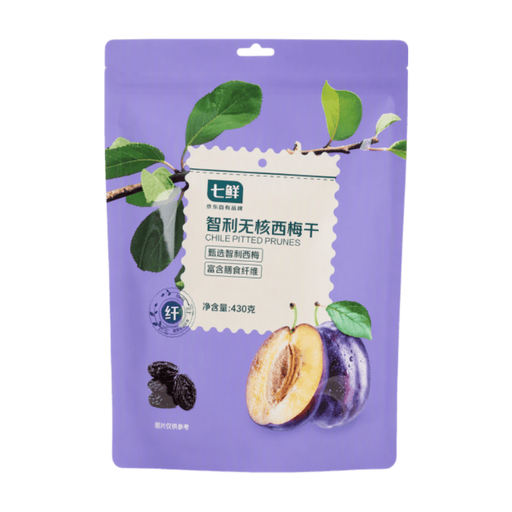 Image unavailable
Pitted prunes are worth considering if you’d like to divide a bag into portions for several people. Compare the nutritional information and serve them in a way that’s suitable for snack time.
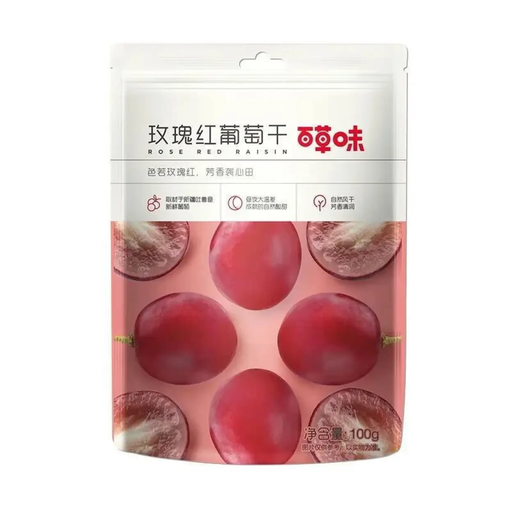 Image unavailable
A bag of dried raisins for anyone who prefers this variety to mixes containing nuts. Check the sugars and how you plan to serve them before adding them to the hunt.
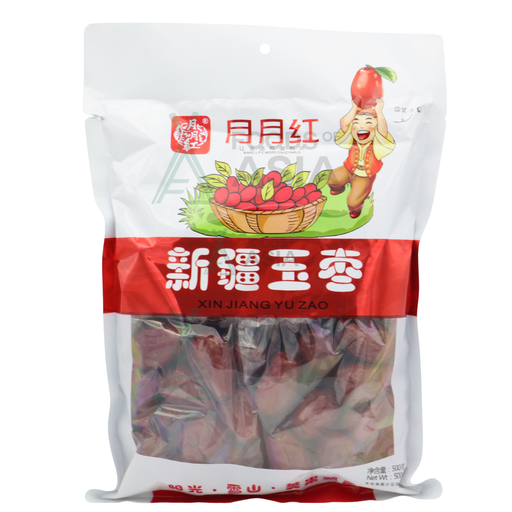 Image unavailable
Another variety of dried fruit to consider for snack time. Check the packaging for any stones before serving, and look at the sugars listed per 100 g.
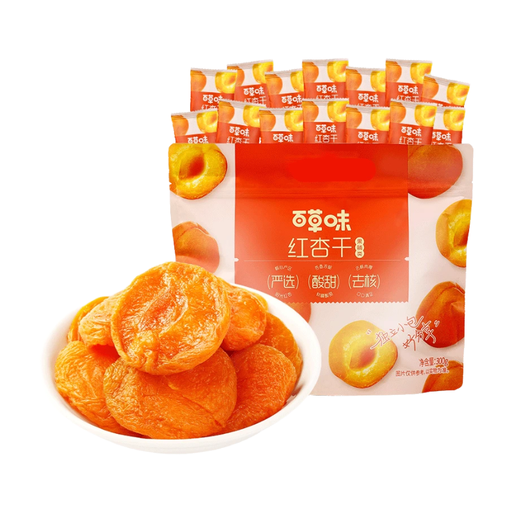 Image unavailable
Dried apricots to consider if you’re looking for this variety rather than a mix. Compare the fat and sugars per 100 g with other products: items in the same category won’t necessarily have identical values.
Start with plain dried fruit and check the figure per 100 g on each pack. The Carrefour France product pages we checked list 0 g for soft dried apricots, 0.3 g for pitted prunes and 0.5 g for sultana raisins. Don’t assume these figures apply to other products.
Not necessarily: it contains nuts as well as dried fruit. The Carrefour France product page for a Carrefour Le Marché mix lists hazelnuts, almonds, cashews and walnuts, among other ingredients. Compare its ‘fat’ figure with that of plain dried fruit.
No. Manger Bouger advises against giving whole nuts to children under 6 because of the risk of choking. If a snack contains nuts, check the allergen information before offering it too.
Compare the fat and sugars per 100 g, then read the ingredients list and allergen information. This will help you spot added oil in some raisins or nuts in a mix.