Anyone comparing fat content
You want to compare dried fruit, nuts or mixes on the same 100 g basis, rather than relying on their name or packaging.


When looking for a lower-fat dried fruit during a clearance sale, compare the ‘fat’ figures per 100 g for the products you’re considering, then check the sugars, salt and ingredients. A no-added-salt mix meets a different need. If you’re buying several bags, check their dates and storage instructions too.
You want to compare dried fruit, nuts or mixes on the same 100 g basis, rather than relying on their name or packaging.
You’re looking for almonds, walnuts or a mix with no added salt. This choice alone doesn’t tell you how much fat the product contains.
You’re considering a multipack or large format and want to be able to store it as directed on the packaging, without buying more than you’ll use.
As the DGCCRF reminds shoppers, the nutrition declaration per 100 g makes it easier to compare pre-packed products. Then check the ingredients and, if you’re stocking up, the storage instructions.
| Criteria | What to check | Who is it for? |
|---|---|---|
| Fat | Compare the fat content per 100 g of the products you’re considering, and check the ingredients list too. | If my main aim is to reduce fat, I want to compare products on the same basis before choosing. Around 42% of consumers would make this their top priority. |
| Quantity and storage | Check the amount in the bag, its date and the storage instructions, particularly after opening. | If I’m buying several bags in a clearance sale, I need to be able to use them as directed on the packaging. This would be the top priority for around 33% of consumers. |
| Ingredients and allergens | Check the ingredients, sugars and salt per 100 g, as well as any allergens highlighted on the pack. | If the bag is for a household where someone has an allergy, or I want to keep an eye on other ingredients, fat content alone isn’t enough. Around 25% of consumers would prioritise these checks. |
These claims refer to different characteristics. The unsalted BENENUTS mix featured by Auchan contains 34 g of fat and 0.02 g of salt per 100 g. One figure doesn’t tell you the other.
Check the ‘fat’, ‘of which saturates’, ‘sugars’ and ‘salt’ figures per 100 g separately.
A promotion doesn’t change a product’s ingredients or how much you can store in suitable conditions.
Compare the labels and choose an amount that suits your needs, taking the date and storage instructions into account.
A mix may contain several types of fruit as well as added ingredients. The DGCCRF reminds shoppers that allergenic ingredients must be highlighted in the ingredients list on pre-packed foods.
Check the recipe, allergens and nutrition information on the specific bag you’re planning to buy.
Its range includes dried fruit, nuts and mixes.
Its website features Marque Repère dried fruit and mixes with no added salt.
Its range includes nuts, dried fruit and mixes.
Lidl describes Alesto as a range that includes nuts, dried fruit and snacks.
The retailer’s French website features products such as raisins, dates and almonds.
Its range distinguishes between dried fruit, nuts and seeds.
These bags of dried fruit come in a range of formats and recipes to consider when shopping in a clearance sale. Compare their labels per 100 g: don’t assume any of these products is ‘lower fat’ based on its name alone.
 Image unavailable
This 500 g bag is a good option if you want to compare pitted red dates with other dried fruit. Check the fat and sugars per 100 g on the label. Before buying several bags, check their dates and storage instructions.
 Image unavailable
This 280 g pack may suit you if you’d prefer a smaller bag of pitted red dates than the one above. Still, compare the nutrition figures per 100 g, particularly the fat and sugars, and check the storage instructions for after opening.
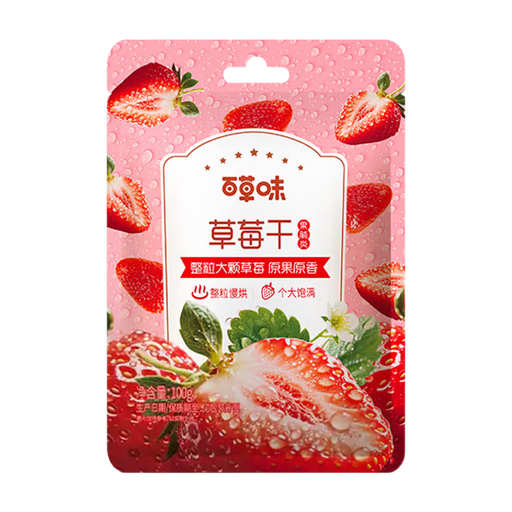 Image unavailable
This 100 g bag is a good option if you’re looking for a smaller pack of dried strawberries. The recipe includes sugar, maltose syrup and sulphites. Check the ingredients list and nutrition information, as well as the labelling if sulphites are a concern for anyone in your household.
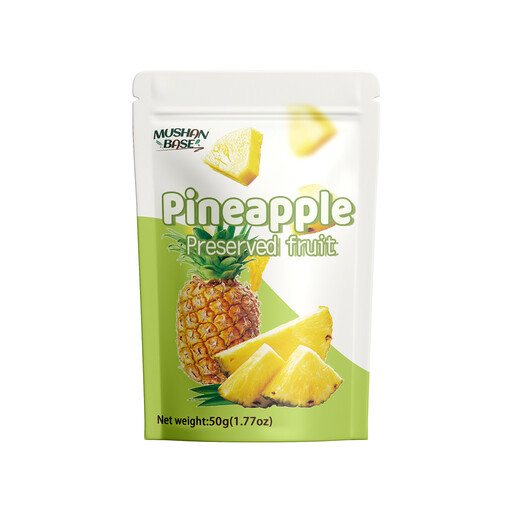 Image unavailable
This 50 g bag is a good option if you’re looking for a small amount of dried pineapple. The recipe includes sweetening ingredients and sulphites. Compare the sugars and fat per 100 g, and check the labelling if sulphites are a concern for anyone in your household.
Compare the fat content per 100 g, not just the amount per bag. The DGCCRF says that the nutrition declaration for pre-packed foods is given per 100 g or 100 ml to make comparisons easier.
No. The absence of added salt doesn’t tell you anything about the fat content. The unsalted BENENUTS mix featured by Auchan contains 34 g of fat per 100 g. Check both figures separately for the specific mix you’re considering.
Check the date on each pack and the storage instructions, including what to do after opening if specified. A best-before date and a use-by date mean different things. Check which one is shown on the product rather than assuming based on its category.
Check the ingredients list on the bag you’ve chosen. The DGCCRF states that allergenic ingredients must be highlighted on pre-packed foods. Also read any other information on the packaging that’s relevant to your household, as recipes can vary from one product to another.