Campers who plan their portions
You want to take a snack that’s easy to carry while keeping track of how much you eat at each break. Compare the kcal per 100 g before dividing up the contents of the packet.


To choose a dried-fruit snack to take camping while keeping an eye on calories, compare the energy values per 100 g, then pack the amount you plan to eat. Carrefour France product listings show 170 kcal per 100 g for Sun Fruits Secs soft apricots, compared with 232 kcal for the Carrefour Bio apricots and Maître Prunille prunes reviewed here. A lower figure doesn’t mean you can skip checking the ingredients, allergens and storage instructions on the packet.
You want to take a snack that’s easy to carry while keeping track of how much you eat at each break. Compare the kcal per 100 g before dividing up the contents of the packet.
Added sugars, sulphites, preservatives or allergen information may influence your choice. The ingredients list on the product you buy matters more than words such as ‘fruit’ or ‘organic’ on the front of the pack.
You’ll need to choose between sharing a packet and preparing portions before you set off, then follow the storage instructions for each product.
For a camping snack, start with what matters most to you — how much you’ll eat, the ingredients or planning for your trip — then check the information on the packet.
| What to consider | What to check | Who it’s for |
|---|---|---|
| Energy per break | Compare the kcal per 100 g and decide how much to take for each break. | When I stop for a break on the way, I want to know how much dried fruit I’m going to eat rather than dipping into the packet. Around 42% of consumers prioritise keeping track of calories per break. |
| Ingredients | Read the ingredients list, check the sugars declared and look for allergen information. Also check for sulphites or preservatives if you want to avoid them. | When I choose a snack for the campsite, I want to be able to avoid an ingredient that doesn’t suit me, even in an organic product. Ingredients are the main priority for around 33% of consumers. |
| Transport and storage | Check the net weight, the date on the packaging and the storage instructions, especially after opening. | When I’m outdoors for several days, I prefer to plan how to share the packets without losing the storage information. This is the top priority for around 25% of consumers. |
The Carrefour France product listings reviewed show 170 kcal/100 g for Sun Fruits Secs soft apricots and 329 kcal/100 g for Carrefour Original raisins. Manger Bouger also points out that dried fruit naturally contains a lot of sugar.
Compare the values on the same 100 g basis, then prepare the amount you plan to have during your break.
The Carrefour France listing for Carrefour Bio dried cranberries shows that the ingredients include 39% cane sugar. The organic label alone doesn’t answer this question.
Check the ingredients list on the packet you choose instead of relying on the way it’s presented.
The Carrefour France listing for Sun Fruits Secs apricots mentions sulphur dioxide and potassium sorbate. Other products have their own allergen or ‘may contain’ information.
If there’s an ingredient you need to avoid, check the label on the product you’ll actually be taking with you.
These examples help you compare specific products; they don’t necessarily represent every recipe from each brand.
Carrefour France listings include organic soft apricots, raisins, pitted dates and dried cranberries.
The 250 g packet of soft apricots is worth comparing if energy per 100 g is your top priority.
The Agen IGP semi-dried pitted prunes reviewed here come in a 500 g packet.
These jujubes, prunes and goji berries are options to consider for dried-fruit snacks to take camping. If calories are a key factor in your choice, compare the energy values on the packaging before dividing them into portions.
 Image unavailable
The 500 g packet can be divided into several snacks before you set off. The jujubes are pitted; if these factors influence your choice, check the product’s nutritional information and storage instructions.
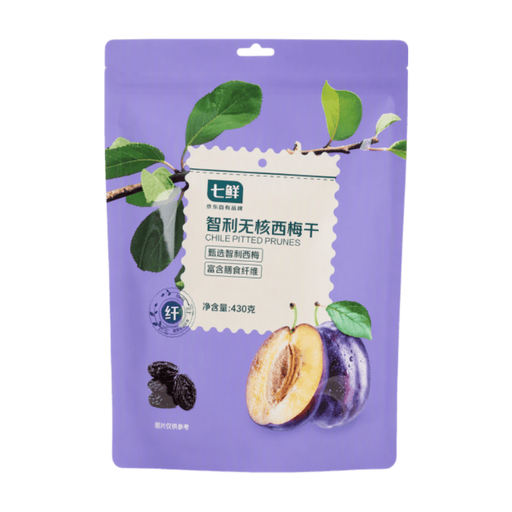 Image unavailable
These pitted prunes can be divided between several breaks or people. If you’re away for several days, check the nutritional information and the storage instructions for after opening on the 430 g packet.
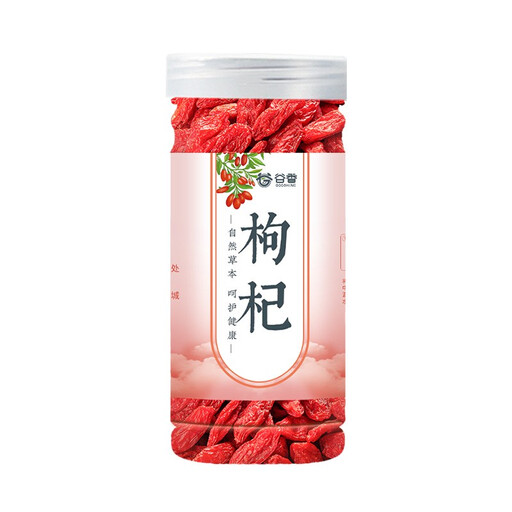 Image unavailable
The 150 g packet is a different size from the larger packs featured here. If comparing calories is your main concern, check the energy value per 100 g on the packaging before choosing it.
 Image unavailable
This 280 g pack offers a different option from the 500 g Haoxiangni packet. The jujubes are pitted; compare the nutritional information for both products and plan how much you’d like to have at each break.
No. The name alone doesn’t tell you how much energy it contains. Among the products reviewed on Carrefour France, Sun Fruits Secs soft apricots contain 170 kcal/100 g, Carrefour Bio apricots and Maître Prunille prunes contain 232 kcal/100 g, and Carrefour Original raisins contain 329 kcal/100 g. Also consider how much you plan to eat.
Read the ingredients list. The Carrefour France listing for Carrefour Bio dried cranberries shows 60% cranberries and 39% cane sugar, so the organic label alone doesn’t mean there’s no added sugar.
Check the ingredients, allergen information, nutritional values, net weight, date and storage instructions for the product you’ve chosen. The DGCCRF lists the product name, ingredients, nutritional information and net quantity among the information that must appear on food labels.
Follow the storage instructions on the packet, including after opening, rather than applying the same rule to all dried fruit. For other foods on your trip that need to be kept cold, Anses recommends maintaining the cold chain.