What should you check before choosing?
For a snack to fit into your working-from-home lunch, first compare the nutrition information per 100 g, then check the portion size and ingredients of the specific product.
| What to check |
Check for |
Who this matters to |
| Energy and portion size |
Compare the kcal per 100 g, then decide how much you plan to eat. |
When I take a seated break between tasks, I want to know what the amount I take from the bag adds up to. Around 42% of consumers put energy and portion size at the top of their concerns. |
| Sugars and ingredients |
Check the ‘of which sugars’ figure per 100 g and the ingredients list, especially for mixes. |
If I choose dried fruit for lunch, its ingredients matter just as much to me as its calories. Around 33% of consumers prioritise keeping an eye on sugars and added ingredients. |
| Salt and allergens |
Check the salt content and allergens on the packaging of the exact product. |
If I want to keep a convenient snack to hand, I need to be able to choose one that suits my needs. Around 25% of consumers put this first, particularly when it comes to salt or allergens. |
Dried fruit available on Joybuy
These raisins and dates are options for a snack to have with your working-from-home lunch. Compare the labels and choose how much you plan to eat.
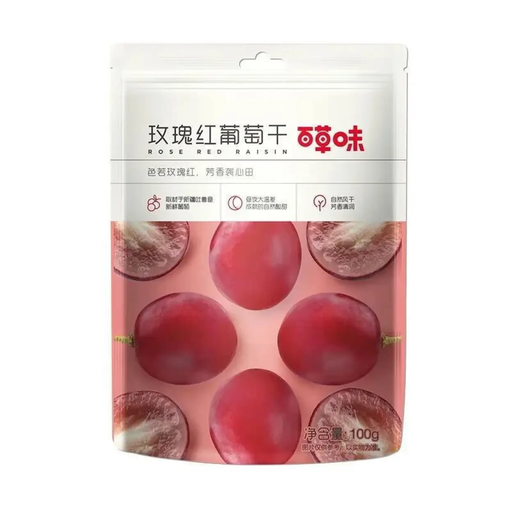 Image unavailable
Be&Cheery Rose red raisins, 100 g
If you’re having raisins as a snack, decide how much to take rather than relying on the weight of the bag.
100 g bag. Check the product name and ingredients on the packaging, as the product information gives conflicting details about the type of raisin.
View on Joybuy
 Image unavailable
Haoxiangni Grade 2 pitted red dates, 500 g
If you’re thinking of having dates as a snack, check the sugars on the label as well as the energy content.
500 g bag; decide how much you want to have with lunch before serving yourself.
View on Joybuy
 Image unavailable
Haoxiangni Grade 2 Fresh-Locked Pitted Red Dates Original Flavour, 280 g
If you’re choosing these dates to have with lunch, check the sugars per 100 g and how much you plan to serve.
Pitted dates in a 280 g bag; don’t confuse them with the other Haoxiangni product in this selection.
View on Joybuy
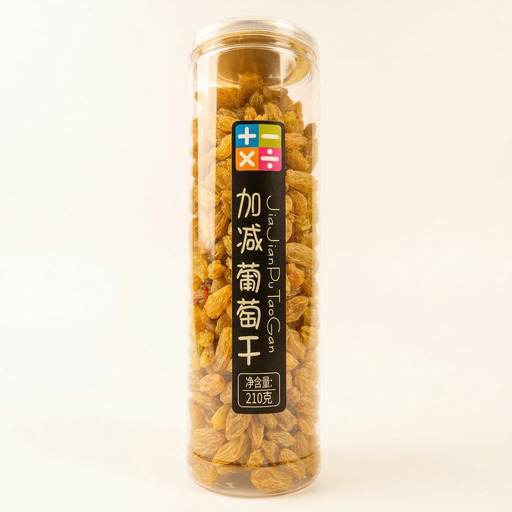 Image unavailable
Jia Jian Cheng Chu Raisins, 210 g
To compare these raisins with other packs, look separately at the energy and sugars per 100 g.
210 g bag. Check the exact product name and ingredients on the packaging, as the product descriptions don’t present them consistently.
View on Joybuy
Frequently asked questions
How do I compare two packs of dried fruit?
Start with the nutrition information per 100 g, then factor in how much you’ll eat. The Directorate-General for Competition Policy, Consumer Affairs and Fraud Control says that displaying information per 100 g makes it easier to compare pre-packed foods. Pay particular attention to energy, sugars, fat and salt.
Is dried fruit always low in calories?
No. Compare the specific products and portions rather than assuming they’re low in energy because they’re fruit. Manger Bouger also points out that dried fruit, including raisins and dates, is naturally high in sugars.
What should I check on the label if I have a nut allergy?
Check the allergenic ingredients and any warnings about possible traces on the specific pack. Don’t assume another variety has the same ingredients. In France, the Directorate-General for Competition Policy, Consumer Affairs and Fraud Control states that allergenic ingredients must be listed and clearly highlighted on the label.
How should I store a bag once it’s open?
Follow the instructions on the product you’ve bought. For this product, the Joybuy listing for BENENUTS cashews says to reseal the bag securely and store it in a cool, dry place. Check the storage instructions for your dried fruit.


