If your main aim is to limit fat in a pre-workout snack, start by comparing plain dried fruit rather than nuts. The Monoprix Bio sultanas product information lists 0.8 g of fat per 100 g, while Manger Bouger describes nuts as high in fat. However, this isn’t the only thing to consider when choosing a packet: check the sugars, ingredients and allergens too, and think about how much you plan to eat.
Who are these options for?
People who want to limit fat first
Before a workout, you’re looking for dried fruit whose nutrition information fits this priority. The distinction matters: Manger Bouger describes nuts as high in fat, while Monoprix Courses lists 0.8 g per 100 g for a specific product of Monoprix Bio sultanas.
People who check the ingredients
You want to know what else is in the packet with the fruit. The ingredients list and declared allergens can help you spot oils, preservatives or sulphites if they’re included in the recipe.
People who prefer plain nuts
You’re more interested in unsalted almonds, walnuts or other nuts, and reducing fat isn’t your top priority. In that case, compare nuts separately from dried fruit.
What should you check before buying?
First, distinguish between dried fruit, nuts and mixes. Then compare the information per 100 g on packets that match your priorities.
| What matters to you |
What to check |
Who is it for? |
| Fat |
The “fat” value per 100 g and whether the mix contains nuts. |
If my first priority is to limit fat, I compare dried fruit separately rather than assuming a mix will meet the same need. Around 40% of consumers would put this first. |
| Carbohydrate and sugars |
Both values per 100 g and how much you plan to eat. |
For a fruity pre-workout snack, I want to know the carbohydrate content without confusing low fat with low sugar. This would be the priority for around 30% of consumers. |
| Ingredients |
The ingredients list, including any oils and preservatives. |
When comparing two packets of sultanas, I first want to know what else is in them. Around 20% of consumers would prioritise this check. |
| Salt and allergens |
The salt content and any allergens listed on the packet. |
If an ingredient or salt content affects my decision, I need to read the label on the specific product before choosing it. This would be the top priority for around 10% of consumers. |
Common mix-ups to avoid
-
Treating all “dried fruit” as the same thing
The term can refer to either dried fruit or nuts. Don’t assume their fat content is the same: Manger Bouger highlights the high fat content of nuts, while a Monoprix Courses product page lists 0.8 g of fat per 100 g for Monoprix Bio sultanas.
If fat is your first priority, compare the two categories separately using their nutrition information.
-
Assuming “no added sugar” means “low in sugar”
Dried fruit can contain sugar even when no sugar has been added. According to Monoprix Courses, Monoprix Bio sultanas contain 60 g of sugars per 100 g.
Check both the ingredients list and the “sugars” and “fat” values per 100 g.
-
Overlooking the ingredients in a mix
A sultana-based recipe may also contain other ingredients. The Monoprix sultana mix product page lists sunflower oil, potassium sorbate and sulphur dioxide.
Check the ingredients list and allergens on the packet you choose, especially if you need to avoid sulphites.
-
Choosing based on the Nutri-Score alone
An overall rating doesn’t tell you, on its own, how much fat a product contains — the factor that matters here.
To compare this specific point, check the nutrition information per 100 g and the product ingredients.
Brands to compare
Carrefour
Carrefour’s range includes sultanas, dates, nuts and mixes.
- These categories make it easy to compare different types of product.
- A “no added salt” claim on pistachios doesn’t tell you, on its own, how much fat they contain.
Monoprix Bio
For its 250 g packet of sultanas, Monoprix Courses lists 0.8 g of fat, 74 g of carbohydrate and 60 g of sugars per 100 g.
- This product information lets you compare figures for a specific product.
- These figures don’t apply to all sultanas; the ingredients list for this packet also includes sunflower oil.
Monoprix
The 250 g sultana mix listed by Monoprix Courses contains 0.6 g of fat and 66.7 g of carbohydrate per 100 g.
- The product information lets you review the nutrition values and ingredients of this mix together.
- It lists sunflower oil, potassium sorbate and sulphur dioxide, which is worth noting if you avoid sulphites.
Alesto
Lidl France sells dried fruit under this brand, including mango strips labelled as having no added sugar, as well as plain nuts.
- You can compare dried-fruit recipes separately from nut products.
- A “plain” label on almonds or walnuts doesn’t, on its own, meet the aim of reducing fat.
TRADER JOE'S® chez ALDI
ALDI France sells sultanas, Deglet Nour dates and unsalted shelled almonds under this brand, among other products.
- These products let you distinguish dried fruit from unsalted nuts according to your priorities.
- “Unsalted” doesn’t mean “low in fat”: check the values for the specific product you choose.
Dried fruit to explore on Joybuy
These products, which include red dates or jujubes and sultanas, let you explore dried fruit as an option when limiting fat is your first priority for a pre-workout snack. Also compare the sugars and how much you plan to eat.
 Image unavailable
Haoxiangni Pitted Red Dates Grade 2, 500 g
These pitted red dates are worth considering if you prefer fruit you can eat on its own. Compare the fat and sugars listed per 100 g, then consider how much would suit your snack.
View on Joybuy
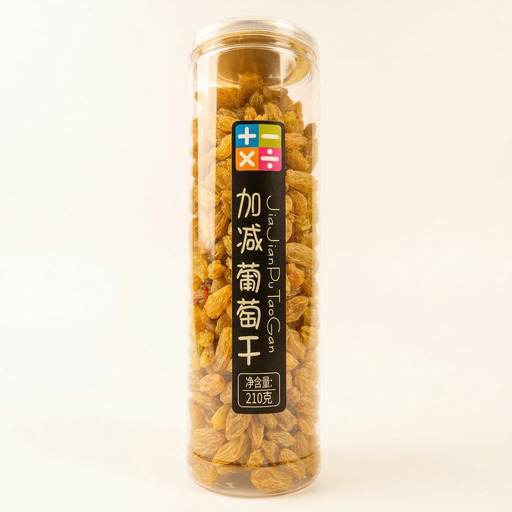 Image unavailable
Jia Jian Cheng Chu Raisins, 210 g
This packet of raisins is worth considering if you want to compare dried fruit with red dates. Check the fat, carbohydrate and sugars per 100 g, as well as the ingredients list.
View on Joybuy
 Image unavailable
Haoxiangni Grade 2 Fresh-Locked Pitted Red Dates Original Flavour, 280 g
This variety of pitted red dates is worth comparing separately from the 500 g Haoxiangni packet. Check its own values per 100 g, particularly the sugars, before deciding how much to take with you.
View on Joybuy
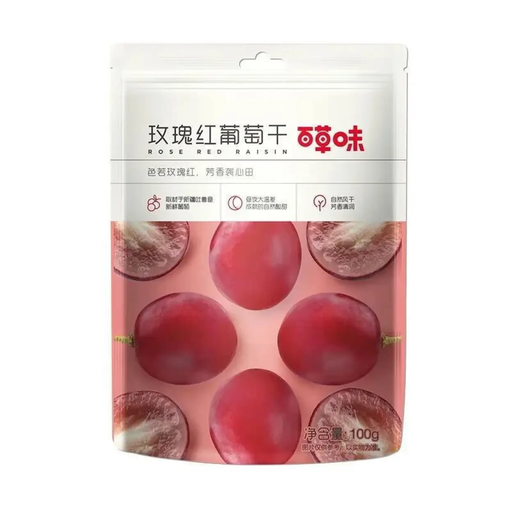 Image unavailable
Be&Cheery Rose red raisins, 100 g
This 100 g packet of raisins can be included in a dried-fruit comparison, but don’t assume the whole packet is a suitable pre-workout portion. Check the variety on the label: the variety information associated with this product doesn’t match.
View on Joybuy
Frequently asked questions
Does low-fat dried fruit automatically qualify as “reduced fat”?
No. A fat value alone isn’t enough to establish whether a product can make this claim. Nutrition claims are governed by European Union Regulation (EC) No 1924/2006. When choosing a packet, compare its nutrition information and check the exact wording on the packaging.
Which figures should I compare for a pre-workout snack?
Start by comparing fat, carbohydrate and sugars per 100 g, then relate these values to how much you plan to eat. For its Monoprix Bio sultanas, Monoprix Courses lists 0.8 g of fat, 74 g of carbohydrate and 60 g of sugars per 100 g. These three values answer different questions.
Do nuts meet the same need as dried fruit?
Not if your first priority is to limit fat. Manger Bouger describes walnuts, hazelnuts and almonds as high in fat. If you prefer unsalted nuts, compare them for that separate need rather than treating them as an equivalent to sultanas.
How can I spot sulphites in a sultana mix?
Read the ingredients list and any allergens listed on the packaging for the specific product. For example, the Monoprix Courses product page for Monoprix sultana mix mentions sulphur dioxide. Don’t assume this applies to all packets of sultanas.


