Bakers looking for a lower-fat fruit filling
If fat content is your top priority, compare the figures per 100 g before choosing between dried fruit and mixes containing nuts. The ingredients list helps you understand what each product contains.


To choose a fruity filling while keeping fat content down, start by comparing the nutritional information per 100 g and the ingredients list. A product made mainly from dried fruit may better suit this priority than a mix containing a large proportion of nuts. Also check the sugars, added oils and allergens, then try the cut and distribution in your recipe before settling on a product.
If fat content is your top priority, compare the figures per 100 g before choosing between dried fruit and mixes containing nuts. The ingredients list helps you understand what each product contains.
If you’re preparing a recipe for sale, check the ingredients and any ‘may contain’ statements on each pack. Depending on the products reviewed, points to watch include nuts, peanuts and sulphites.
If texture matters more to you than reducing fat, a mix containing almonds, walnuts or hazelnuts may work for your recipe. Still, compare its ingredients and check that the pieces will be distributed as you’d like in the sandwich.
For a sandwich filling, start with your main priority, then check the other factors before finalising the recipe. A low fat figure alone doesn’t tell you about sugars or allergens.
| Criteria | What to check | Who this matters to |
|---|---|---|
| Fat | Compare the fat content per 100 g and the first ingredients of products intended for the same use. | If I want a fruity flavour without making nuts the main ingredient in the filling, the composition matters more than the product name. Around 42% of consumers rank keeping fat down as their top priority. |
| Ingredients and allergens | Read the full ingredients list, declared allergens and any ‘may contain’ statements. | When a recipe needs to meet specific ingredient requirements, I need to know exactly what each pack contains. Around 33% of consumers say managing ingredients and allergens is their main priority. |
| Texture in the sandwich | Check the size of the pieces, any preparation needed and the storage instructions after opening. | To distribute the filling without making the sandwich difficult to assemble, I need a cut and texture that suit my recipe. Around 25% of consumers prioritise practical use and texture. |
This term can refer to dried fruit or mixes containing a high proportion of nuts. Product listings from Monoprix, Carrefour and Auchan show 0.6 g of fat per 100 g for a raisin mix, 27 g per 100 g for a Carrefour Le Marché dried fruit and nut mix, and 62 g per 100 g for Vico Le Sélect, respectively.
Compare the same line of nutritional information across the fillings you’re considering, then read their ingredients lists.
A name that suggests wellbeing, a ‘no added salt’ claim or the absence of palm oil doesn’t tell you the total fat content. According to the DGCCRF, nutrition claims used in the European Union are governed by Regulation (EC) No 1924/2006.
To compare products, check their figures per 100 g. If the packaging says ‘reduced fat’, also look at the comparison on which that claim is based.
Depending on the product, the ingredients reviewed include sulphites or nuts. The Carrefour Le Marché mix listing also notes several potential traces, so the product name alone isn’t enough to prepare the information you need about the recipe.
Check the label of the product you’ll actually use before choosing the filling and sharing details of its ingredients.
The Monoprix listing shows 0.6 g of fat, but also 57 g of sugars per 100 g in its raisin mix. These two figures answer different questions about the recipe.
Check the fat, sugars and amount of filling planned for each sandwich before making your choice.
The Monoprix 250 g raisin mix offers a useful point of comparison for a filling made mainly from fruit.
The mix reviewed combines sultanas, hazelnuts, almonds, cashews and walnuts.
The mix reviewed includes almonds, raisins, cranberries and goji berries, among other ingredients.
The Le Sélect and Vitalité mixes reviewed contain nuts, making them more suited to a search for texture than to prioritising lower fat content.
These jujube or red date products are worth considering if you’re preparing a fruity filling. Their size, ingredients and texture after cutting need to suit your sandwich. Honey dates aren’t the same as plain dates.
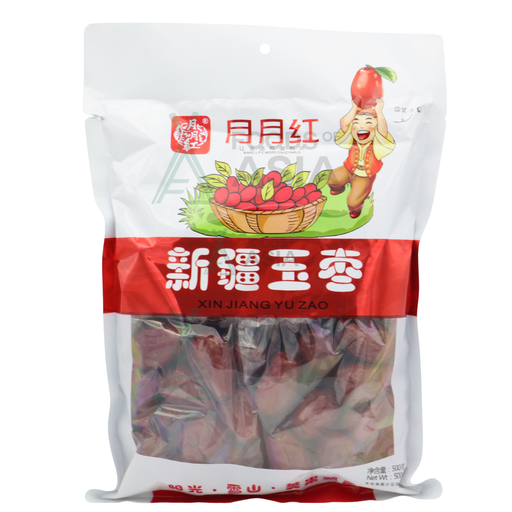 Image unavailable
An option to consider for a fruity filling made with dried jujubes. The pack is listed as 500 g; check the size of the fruit and how it needs to be cut for your recipe.
 Image unavailable
The fact that they’re pitted may make preparation easier if you plan to cut them up. Still, check the size of the dates, how they hold up in a sandwich, and the allergens and ‘may contain’ statements on the packaging.
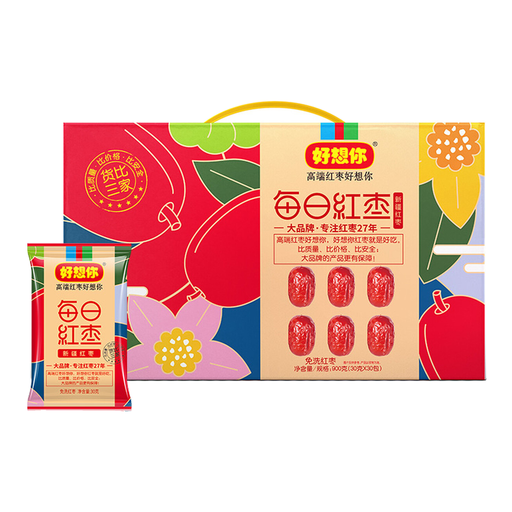 Image unavailable
The 30 individual 30 g packs may be worth considering if you’re preparing food for several services. The dates are listed as containing stones: remove them before adding the fruit to a sandwich and check how you’d like it cut.
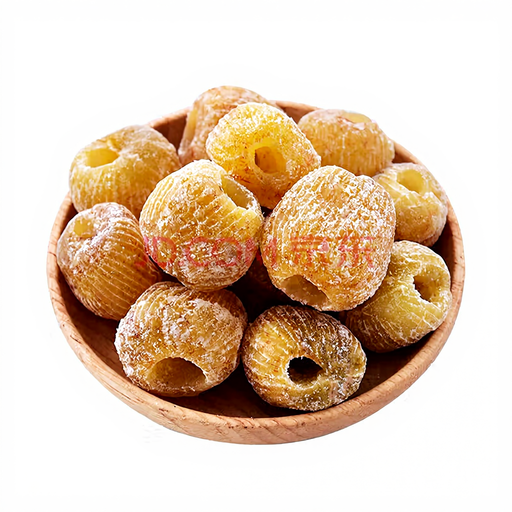 Image unavailable
Only consider these if a sweet, honey-based preparation suits your recipe better than plain dates. The ingredients include sugar, honey and maltose. Check the full ingredients list and how the product needs to be cut before using it in a sandwich.
No. This claim doesn’t tell you the total fat content. Auchan’s listing for Vico Le Sélect shows 62 g of fat per 100 g. When choosing a filling, compare the figures shown for the products you’re considering and check their ingredients lists.
No. The listing for Monoprix’s raisin mix mentions sunflower oil and sulphur dioxide. Read the ingredients of the pack you choose rather than assuming what it contains from the name ‘raisins’ alone.
When comparing fillings, start by checking the ingredients, nutritional information per 100 g, net quantity and declared allergens. The DGCCRF includes the ingredients list, nutrition declaration and net quantity among the labelling information required for pre-packed food in France.
No. The DGCCRF notes that nutrition claims used in the European Union are governed by Regulation (EC) No 1924/2006. When comparing fillings for yourself, use the figures per 100 g for comparable products. Don’t turn a low figure you’ve observed into a commercial claim.
Follow the instructions for the pack you choose and check the texture when you’re preparing the sandwiches. Some of the Auchan listings reviewed recommend storing the product in a dry place, away from heat or light, and using it soon after opening.