If you have a diagnosed food allergy, first choose a product that fits the prescribed elimination diet: its calorie content does not tell you whether it is suitable. To find a comparatively lower-energy snack, then compare the values per 100 g: the soft apricots and prunes cited by Carrefour contain 232 and 238 kcal per 100 g respectively, compared with 476 kcal per 100 g for a mix containing tree nuts. These examples do not make any dried fruit suitable for every allergy, or qualify it as “low energy” in the regulatory sense.
Who is this guide for?
People who need to avoid a specific allergen
When shopping, the ingredients list, highlighted allergens and any ‘may contain’ warnings matter more than calories or pack size. Assurance Maladie advises that avoiding the relevant allergenic food is the main preventive measure.
People comparing the energy content of snacks
Comparing kcal per 100 g lets you assess specific products. Don’t assume that a product is low in calories just because it is labelled “organic”, “natural” or “no added sugar”.
People looking for easy-to-read ingredients
A pack of a single dried fruit can make it easier to compare ingredients with those in a mix. However, a short ingredients list is no substitute for checking the label on the product you buy.
What should you check?
In France, “dried fruits” can mean dried fruit such as prunes, but it can also refer to nuts such as almonds. This distinction is particularly important when you need to avoid an allergen.
| Consideration | What to check | Consumers concerned |
|---|
| Identified allergen |
Read the ingredients, highlighted allergens and any ‘may contain’ warnings for the exact product, in line with your prescribed elimination diet. |
When I need to avoid a food, I need to be able to spot it before choosing a snack. Avoiding the allergen is the main priority for around 50% of consumers affected. |
| Energy content |
Compare the kcal per 100 g of similar products, then consider the amount you plan to serve. |
For a small snack, I want to compare the energy content of the packs rather than rely on their names. Around 30% of consumers put this comparison first. |
| Clear ingredients |
Check the ingredients list for a single dried fruit and for mixes; also check their allergen information. |
When I compare several products, easy-to-read ingredients help me tell a single fruit apart from an assortment. This is the top priority for around 20% of consumers. |
Mistakes to avoid
-
Assuming all “dried fruits” are dried fruit
A Carrefour mix contains, among other things, raisins, hazelnuts, almonds, cashews and walnuts. So you can’t rule out an allergen just by looking at the category name.
Check the ingredients list and any ‘may contain’ warnings on the specific pack, then follow your prescribed elimination diet.
-
Confusing a short ingredients list with low energy content
Under the European regulation published on EUR-Lex, the “low energy” claim is limited to 40 kcal per 100 g for solid food. The soft apricots at 232 kcal per 100 g and prunes at 238 kcal per 100 g cited by Carrefour exceed this threshold.
Compare the nutrition information per 100 g and the portion you plan to eat. Don’t interpret “organic” or “natural” as an indication of calorie content.
-
Choosing a mix without checking what’s in it
The Carrefour mix cited contains 476 kcal per 100 g and includes several tree nuts. It is not equivalent to the examples of single dried fruits, either in its ingredients or its energy content.
Compare the labels of the products you’re considering and rule out any that aren’t suitable for the allergen you need to avoid.
Retailers and brands to look at
Carrefour
Carrefour product pages let you compare single dried fruits with mixes.
- The Carrefour Bio soft apricots product page lists 232 kcal per 100 g.
- The Carrefour mix cited contains several tree nuts: check the allergen information for each product.
Auchan
Its range includes separate categories for prunes, dried apricots, dates, raisins and pistachios.
- The subcategories make it easier to distinguish dried fruit from nuts.
- To decide, check the ingredients and allergen information for the specific product, not just its category.
Monoprix
The Monoprix Courses range includes packs of raisins.
- You can compare pack sizes using the net weight shown for each product.
- The category page is no substitute for checking the product label for ingredients and allergens.
Lidl / Alesto
The Alesto range includes nuts, dried fruit and snacks.
- These categories let you search separately for dried fruit or nuts.
- Don’t assume that a plain product has the same ingredients as a seasoned or mixed one.
Aldi / TRADER JOE'S®
Aldi’s range includes TRADER JOE'S® raisins and soft dried fruit.
- These products give you several types of dried fruit to compare.
- Check the packaging of the product you choose before deciding whether it is suitable for your allergy.
Dried fruit available on Joybuy
These prunes, raisins, dried apricots and dates give you a range of dried fruit formats to compare. Don’t choose any of them for an allergy based on the product category alone: check the label on the product you receive against the allergen you need to avoid.
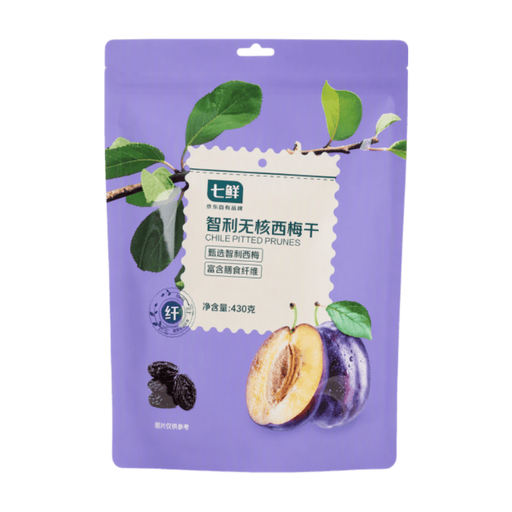 Image unavailable
7FRESH, pitted prunes 430 g
Worth considering if you’re looking for pitted prunes for a snack. Compare the nutrition information per 100 g and check the ingredients and any ‘may contain’ warnings in relation to your allergy.
View on Joybuy
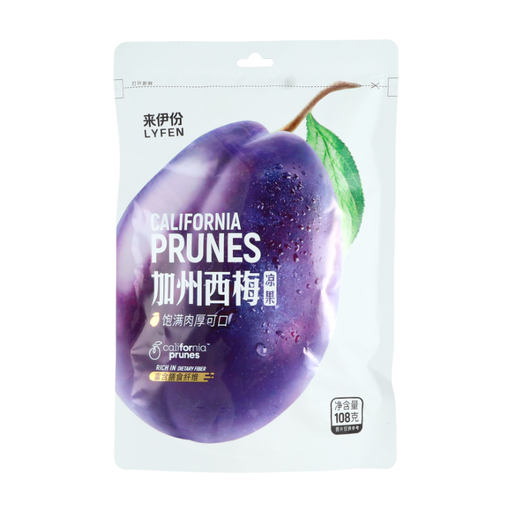 Image unavailable
LYFEN California, dried plums 108 g
The 108 g pack can be compared with other dried plum pack sizes. If you’re looking for a short ingredients list, read the full list rather than relying on the name of the fruit alone; also check the allergen information and any ‘may contain’ warnings.
View on Joybuy
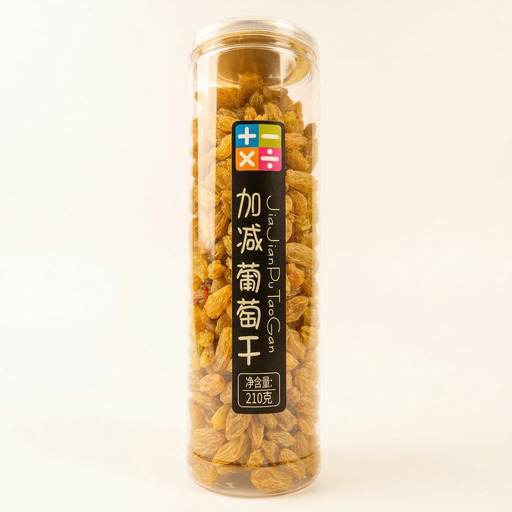 Image unavailable
Jia Jian Cheng Chu, raisins 210 g
An option to compare if you prefer raisins to prunes. For a comparatively lower-energy snack, check the kcal per 100 g; if you have an allergy, check the label on the pack you receive.
View on Joybuy
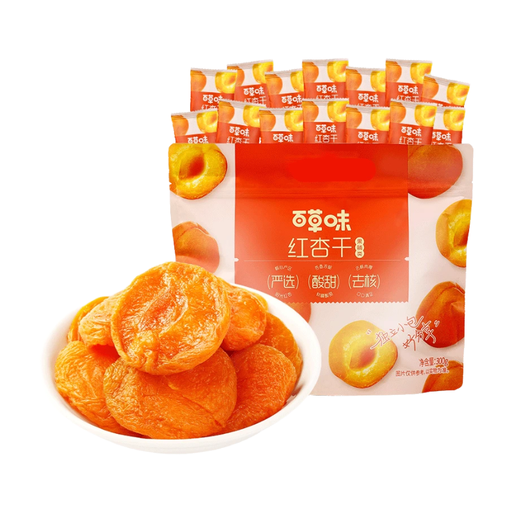 Image unavailable
Be&Cheery, dried red apricots 300 g
Consider these if you’d like to compare dried apricots with the other fruits in this selection. Check the ingredients, nutrition information per 100 g and allergen information on the packaging for this product.
View on Joybuy
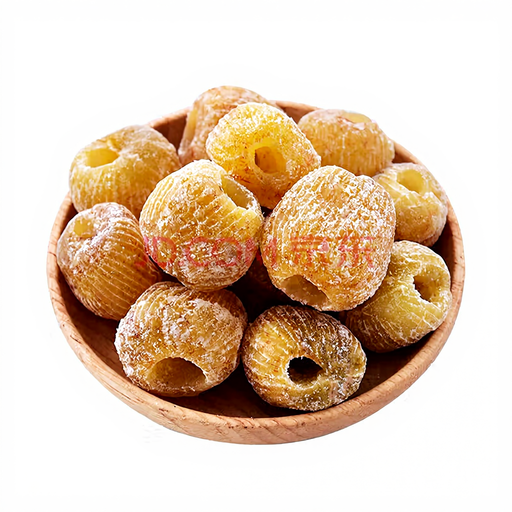 Image unavailable
Jinshi Hard Honey Date 400 g
This date-based product is for anyone looking to compare a date snack with other dried fruit. If you’re looking for a single fruit, pay particular attention to the ingredients list; also check the allergen information and kcal per 100 g.
View on Joybuy
Frequently asked questions
Can dried fruit be considered “low calorie”?
Not simply because it is dried fruit. Under the European regulation published on EUR-Lex, a “low energy” claim for solid food requires no more than 40 kcal per 100 g. The soft apricots and prunes cited by Carrefour contain 232 and 238 kcal per 100 g respectively. Comparing them with other products doesn’t change what this claim means.
Is dried fruit that doesn’t mention nuts in its name suitable for someone with a nut allergy?
The name alone isn’t enough to tell. The DGCCRF states that allergenic ingredients must be highlighted in the ingredients list on prepacked foods. Also read any ‘may contain’ warnings and follow the prescribed elimination diet for the identified allergen.
What should you check first on a prepacked product?
Start with the ingredients and highlighted allergens, then check any ‘may contain’ warnings according to your circumstances. To compare the energy content of two snacks, use the nutrition information per 100 g and consider how much you’ll eat.
Should you choose dried fruit, nuts or a mix?
First rule out any product that isn’t suitable for the allergen you need to avoid. If you’re then looking for a comparatively lower-energy snack, compare the values per 100 g for the specific products: the Carrefour examples of single dried fruits contain 232 and 238 kcal per 100 g, compared with 476 kcal per 100 g for the mix cited. These figures don’t allow you to rank every product in these categories.


