
Livraison le jour même ou le lendemain

Qualité garantie

Débloquez vos offres de bienvenue: Livraison GRATUITE | Jusqu'à -80 % | 30 jours d'essai gratuits à JoyPlus
Téléchargez l'application
Dried and candied plums are loved for their sweet-and-salty flavour, their texture – sometimes soft, sometimes crunchy – and their easy-to-carry format. But two packets with similar names can offer very different experiences. Chinese plums, ume plums, Asian candied fruit or flavoured snacks: a few checks are all it takes to avoid unpleasant surprises.
Some products combine plum with other flavours, such as yellow peach, liquorice or chilli. Others are made from green plums, dried or preserved in brine. The result: the texture can range from firm, crunchy fruit to soft, chewy confectionery.
Take the time to read the ingredients list and check whether the fruit is stoned. A mention like "peach flavouring" or "peach juice" signals a taste profile that is different from a traditional plum.
The sweet-and-sour taste often relies on a blend of sugar, salt, citric acid or sweeteners. The salt content can vary considerably: some salted and sweetened plums contain several grams of salt per 100 g. Recipes containing maltitol, saccharin, cyclamate or sucralose should also be consumed in line with the recommendations on the packaging.
A snack presented as light is not necessarily low in sugar or salt. To compare products, the nutrition table remains your best guide.
An 80 g bag made up of individual portions slips easily into a bag or desk drawer. Conversely, a 180 g or 200 g pack is better suited for regular consumption or sharing. Once opened, the packaging must be resealable to preserve the texture of the fruit.
Also check the best-before date, the country of origin, storage conditions and any warnings about sulphites or sweeteners.
For a plum snack ready to eat, go for stoned fruit. Small individual bags limit contact with air and make them easy to carry, whether in a bag, lunchbox or desk drawer.
Crunchy green plums offer a firm, crisp bite. Candied or seasoned dried fruit is generally softer, with a flavour that lingers longer in the mouth. Ume plums, often salty, tangy and fruity, are more suited to those who enjoy bold tastes.
Start by comparing the first ingredients on the list. A recipe made mainly of plum, sugar and salt will have a different profile from one that piles on sweeteners, preservatives, flavourings and flavour enhancers.
The presence of sulphur dioxide or sulphites must be clearly stated when it concerns the product. People sensitive to these ingredients should therefore check the labelling carefully. For imported products, choose a listing that shows the nutritional values, the contact details of the responsible party established in the European Union and storage instructions.
Weight alone is not enough to compare prices. Calculate the price per kilogram and also look at what proportion of the product is actually plum.
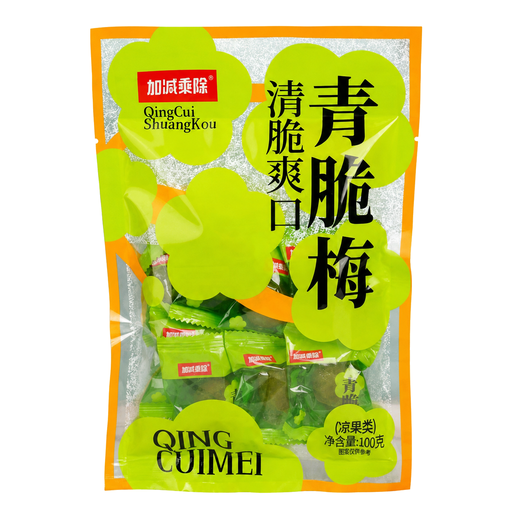
Why this choice suits this profile: At 100 g, this bag lets you discover crunchy green plums without committing to a large format. The individual portions are practical for sharing or taking to work.
The listing specifies the crunchy texture, the net weight and the presence of sulphites, sweeteners and salt. So you can check the composition before ordering.
A 100 g format, green plums with a crunchy texture and 0 g of fat per 100 g.
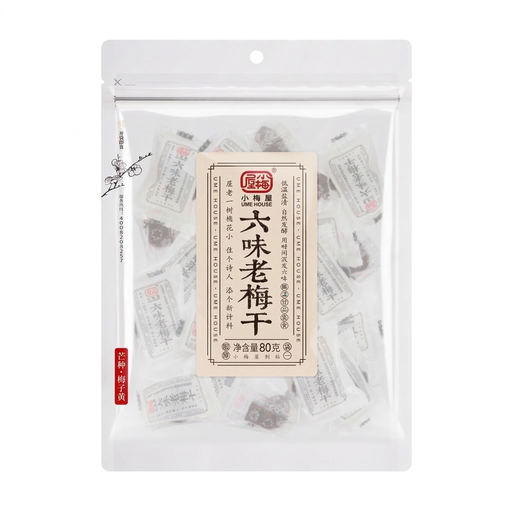
Why this choice suits this profile: This recipe focuses on a carefully crafted blend of green plum, salt, sugar and acidity. It should appeal to those looking for a sweet-and-sour plum with a traditional, well-defined character.
The composition lists six main ingredients and states a sodium content of 8,991 mg per 100 g – an essential benchmark for adjusting portions.
An 80 g format, a salty, sweet and tangy recipe, and the option to use it in a drink or as an accompaniment.
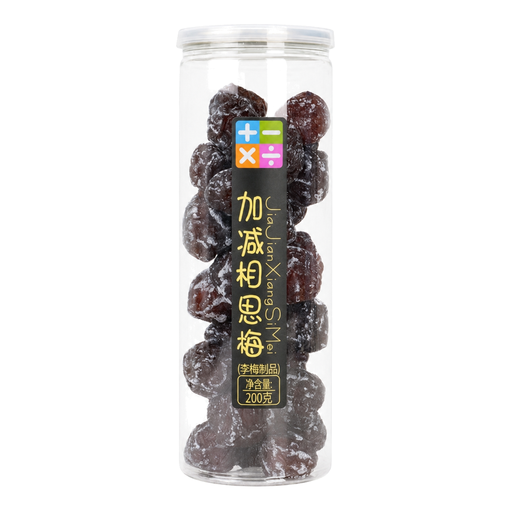
Why this choice suits this profile: Its 200 g format is ideal for regular dried fruit lovers and for households that enjoy sharing an Asian confectionery with a cup of tea.
The listing details the sugar content, salt, sweeteners, preservatives and sulphites. That helps you tell a sweet treat from a genuinely simple composition.
A 200 g format, a soft and chewy texture, individual wrappers and a sweet-and-sour profile with a salty note.
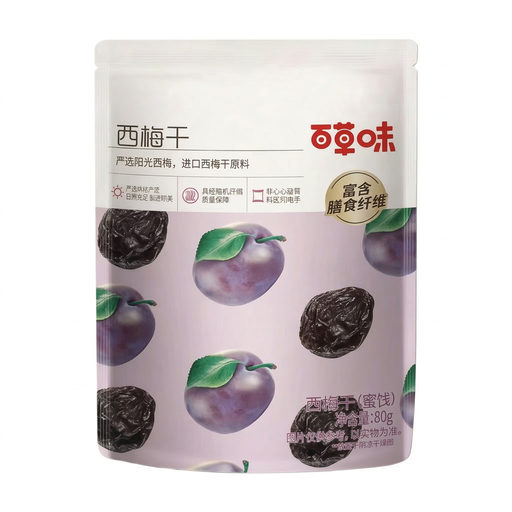
Why this choice suits this profile: The 14 small bags let you take a portion in your bag, to the office or on a journey, without having to open the whole pack.
The listing states that the plums are stoned and notes the presence of maltitol, salt and additives. So you know exactly what to expect before buying.
An 80 g format, 14 individual portions, stoned fruit and a ready-to-eat preparation.
No. Some products are stoned, others are not. Look for the mention "stone-free" or "stoned" in the description. This detail is especially useful for eating at the office, when travelling or for children.
Keep it in a cool, dry place away from direct light. Seal the packaging carefully after each use. If the listing recommends consuming the product quickly after opening, follow that advice to preserve its texture and flavour.
Yes. Depending on the recipe, they can accompany tea, be added to a drink or bring a tangy touch to a dish. Very salty or heavily seasoned versions should, however, be used sparingly, as their flavour can overpower other ingredients.