
Livraison le jour même ou le lendemain

Qualité garantie

Débloquez vos offres de bienvenue: Livraison GRATUITE | Jusqu'à -80 % | 30 jours d'essai gratuits à JoyPlus
Téléchargez l'application
Dried beans are a pantry treasure. Rich in protein and fibre and incredibly versatile, they form the basis of countless healthy and budget-friendly dishes. But when faced with black, red, white, or borlotti beans, it can be hard to know which to choose.
Our mission at Joybuy is to guide you through the jungle of store aisles. This guide reveals all the secrets to choosing the right dried beans and stocking up on ideas for your vegetarian or traditional cooking.
To make the right choice, don't just grab the first bag you see. Here are the essential criteria for a smart purchase.
Each bean has its own texture, flavour, and therefore... its ideal dish.
For a healthy diet, the golden rule is simplicity. The ingredient list on a good bag of dried beans should be as short as possible: the bean, and that's it. No additives, no preservatives.
Take a look at the protein and fibre content. For example, some beans can offer over 20g of protein and 15g of fibre per 100g, making them an excellent alternative to meat, especially for vegetarian cooking.
Opting to buy dried beans in bulk or in large formats (like 900g or 1kg bags) is not only more budget-friendly but also more eco-friendly. Just remember to transfer them to an airtight container, away from moisture and light. Stored properly, they can last for over a year. This ensures you always have a healthy base on hand to whip up a meal!
To get you started, here is our selection of dried beans that tick all the boxes, in terms of both taste and nutrition.
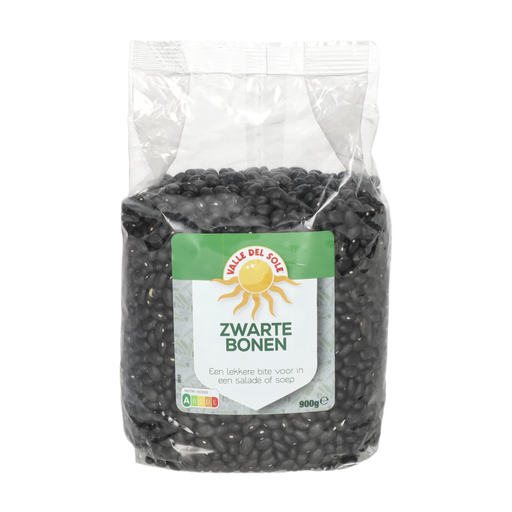
Why we love it: These black beans are 100% pure. Their rich flavour and melt-in-your-mouth texture after cooking make them a prime ingredient for Latin-inspired cuisine.
Key features:
Who is it for? For fans of Mexican, Caribbean, or Brazilian cuisine (the famous feijoada!) and anyone looking for a flavourful plant-based protein.
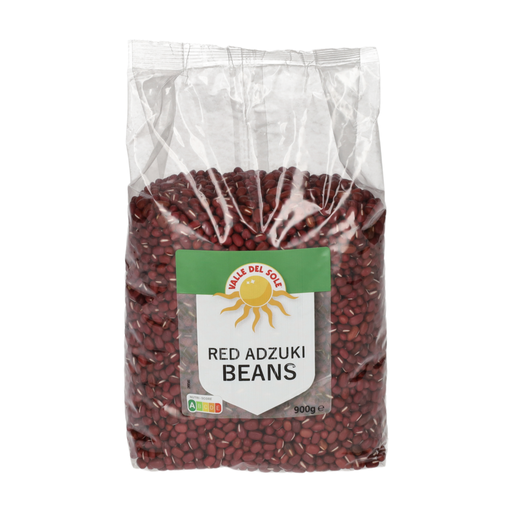
Why we love it:Adzuki red beans have a surprisingly mild, almost sweet flavour. They work just as well in savoury dishes as they do in desserts—a stunning versatility for a legume.
Key features:
Who is it for? For the curious who want to try their hand at Asian baking (where they are used to make sweet paste) and for those looking for a digestible and nutritious bean for their stews or salads.
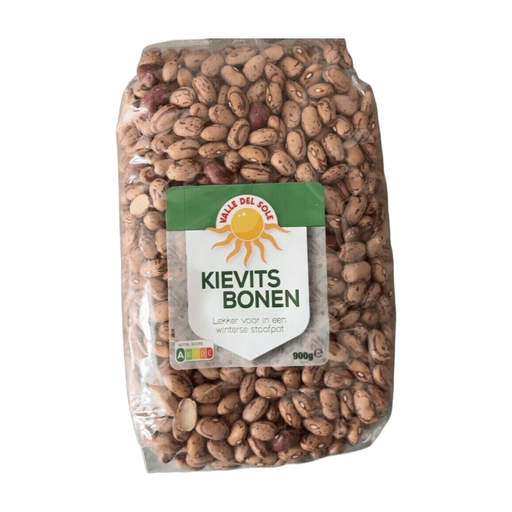
Why we love it: Also known as Cranberry beans, borlotti beans are a pillar of Mediterranean cuisine. Their nutritional profile is impressive, with a record-breaking amount of fibre and protein.
Key features:
Who is it for? For lovers of Italian cuisine (minestrone, pasta e fagioli) and anyone looking to load up on plant-based fibre and protein.
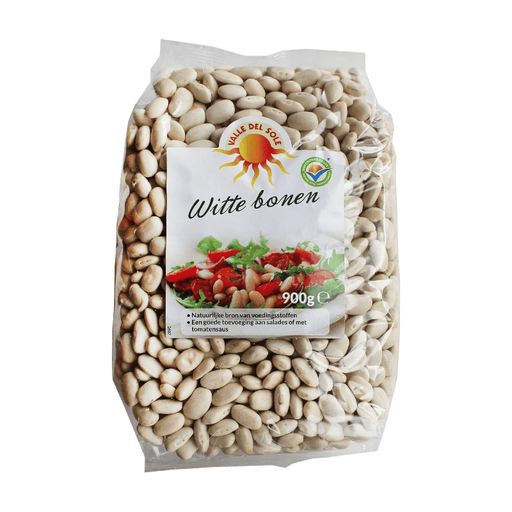
Why we love it: Alubia white beans are the star of creamy dishes thanks to their incredibly creamy texture and delicate flavour, which allows them to soak up all the flavours of the dish.
Key features:
Who is it for? For fans of traditional, comforting dishes (cassoulet, rustic soups), as well as for creative cooks making original dips (like white bean hummus) or meal-sized salads.
Preparing dried beans requires a bit of planning: soaking overnight, a sometimes lengthy cooking time... If your schedule doesn't allow for it, there's no need to give up on the benefits of legumes! There is a simple alternative.
? For quick and healthy meals, discover our selection of canned beans, already cooked and ready to use.
The basic method is nearly universal:
Each option has its advantages. Dried beans are unbeatable on price, contain no added salt, and leave you in control of the final texture. Canned beans, on the other hand, are the kings of convenience: open, rinse, and they're ready! The choice depends on your priorities: budget and control for dried, speed for canned.
Once the bag is opened, or if you buy them in bulk, the secret is to transfer them to a glass jar or a very airtight container. Then, store them in a cool, dry, and dark place, like a simple cupboard.