
Livraison le jour même ou le lendemain

Qualité garantie

Débloquez vos offres de bienvenue: Livraison GRATUITE | Jusqu'à -80 % | 30 jours d'essai gratuits à JoyPlus
Téléchargez l'application
Dried Asian mushrooms make it easy to prepare a broth, stir-fry, soup or vegetarian dish, while keeping for a long time in your cupboard. But buying them can throw up a few surprises: a bag that swells dramatically after rehydration, pieces that are tricky to clean, or a product chosen for its name rather than its intended use.
Before you stock your pantry with dried shiitake, black fungus or straw mushrooms, check three things: the format, the rehydration time and the information on the label.
A dehydrated mushroom generally needs to be rehydrated, then cooked. The instructions vary depending on the species: some shiitake rehydrate in 20 to 30 minutes in warm water, while a thick wood ear can take one to four hours in cold water.
Dried mushrooms intended for soup, stir-fry or hot pot are therefore not meant to be eaten as they are. Always follow the instructions and never eat the mushrooms raw if the packaging requires cooking.
"Chinese", "Vietnamese", "mountain" or "premium" alone won't tell you whether the product suits your cooking habits. To compare different options, check instead:
A 1 kg bag might be perfect for a restaurant, but it's far too large for someone who only cooks a few stir-fries a month.
Mushrooms that need rehydrating can trap dust or small bits of debris in their folds. Wood ears and thick pieces should be rinsed thoroughly, then have their hard bases removed. For products intended for cold salads, the instructions usually call for a quick blanching.
Dried shiitake has a firm texture and a pronounced umami flavour. It works particularly well in broths, sauces, stuffings and sautéed vegetables. Pre-sliced options, like the MONT ASIE Shiitake Mushroom Sliced 80g, save you a preparation step.
Dried black fungus, also known as wood ear or cloud ear, becomes soft and slightly crunchy after rehydration. It goes beautifully with dumplings, soups, stir-fried dishes and Chinese hot pots.
Other species have more specific uses: tea tree mushroom works well in soups and stews, lion's head mushroom needs soaking and cooking before use, while matsutake often appears in assortments designed for broths or hot pot.
As a general guide, product descriptions usually mention:
After soaking, rinse the mushrooms, remove any hard parts and strain the water if you plan to add it to a broth. It may contain particles, so it's best not to pour it straight into the pan without checking.
A product made from 100% dried mushrooms makes the label easy to read and lets you adapt recipes freely. However, soup assortments may include a seasoned base containing soya, egg, salt or chicken stock. Check the allergen list if you're cooking vegetarian food or for several guests.
Store mushrooms in a dry, well-ventilated place away from light. After opening, an airtight container helps prevent moisture absorption. If the product becomes damp, gives off an unusual smell or shows signs of spoilage, do not use it.
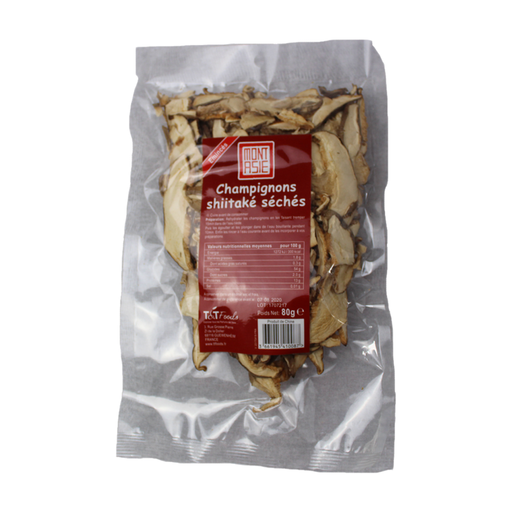
Why this choice suits this profile: The slices are ready to go straight into a soup, sauce or stir-fry, with no chopping needed.
At 80 g, it reduces the risk of buying too much, and the product page states a rehydration time of 20 to 30 minutes.
100% dried shiitake, already sliced, with no allergens declared on the product page.
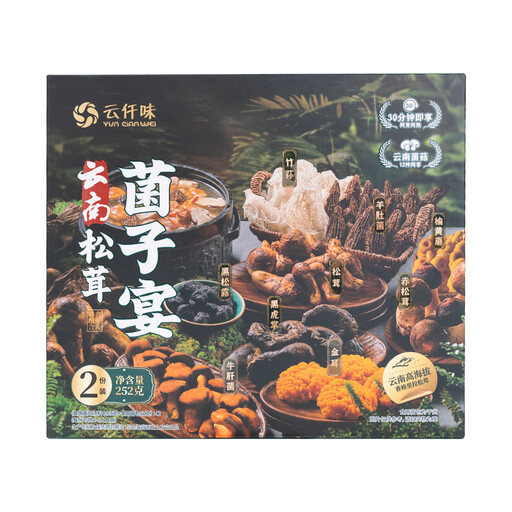
Why this choice suits this profile: This assortment lets you discover several textures, including matsutake, morel and shiitake, in a preparation designed for soup or hot pot.
The detailed ingredients list separates the mushroom sachet from the soup base and clearly states the presence of soya and egg.
12 varieties of mushrooms and two preparation methods are listed on the product page.
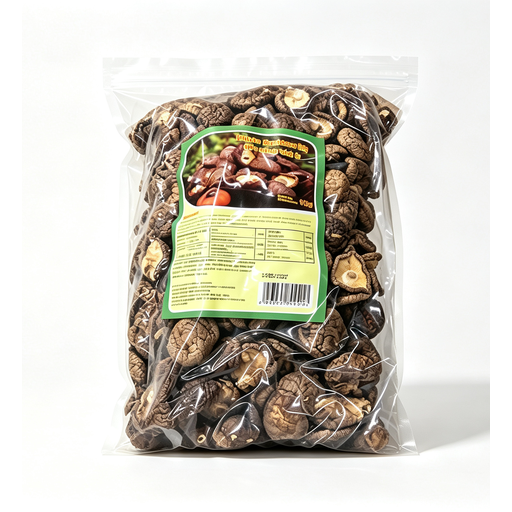
Why this choice suits this profile: Its bulk packaging is ideal for restaurants, large families and anyone who cooks with mushrooms regularly.
The weight is clearly stated and the product page recommends airtight storage after opening.
100% Vietnamese shiitake, suitable for soups, phở, sauces, stuffings and vegetarian dishes.
We've put together a comprehensive, real-time updated list of products that fully meet these strict selection criteria and European safety regulations.
For a cold salad made with dried black fungus, some product pages recommend blanching the pieces for one to two minutes in boiling water before seasoning. Canned straw mushrooms, on the other hand, don't need rehydrating: just drain them before adding them to your cooking.
The shelf life depends on the date on the packaging and the storage conditions. An unopened bag should be kept dry, away from light and moisture. After opening, transfer the contents to an airtight container and use them promptly if the mushrooms have started to absorb moisture.
Yes, as long as it's clean and strained. It can add extra flavour to a broth or sauce, but it's best to discard the first water if it contains visible particles. When the label says so, cooking the mushrooms is still essential.
Dried shiitake works well in broths, sauces and stir-fries thanks to its firm texture. Cloud ear adds more softness and crunch. To vary the flavours in a soup or Chinese hot pot, an assortment of Chinese, Vietnamese or Yunnan mushrooms lets you combine several shapes and textures.