
Same-day & Next-day Delivery

Quality Guaranteed

Unlock Your Welcome Offers: FREE Delivery | Up to 80% OFF | Free 30-day JoyPlus trial
Download the APP
A cut on your finger, a blister after a hike or a child’s grazed knee will not necessarily need the same product. Yet the shelves dedicated to dressings and wound care are packed with different formats, materials and claims that can be difficult to compare.
To avoid buying the wrong products, it is best to focus on a few practical criteria: the size of the dressing pad, water resistance, the type of adhesive and the intended use. This approach will help you put together a genuinely useful selection for your home, sports bag or first aid kit.
A dressing described as waterproof will generally cope better with a shower or a few splashes. That does not mean it will remain completely watertight after prolonged immersion. Check that there is a film covering the entire adhesive area, and follow the recommended replacement instructions after contact with water.
For small cuts and grazes, a waterproof dressing can be very practical for everyday use. However, you still need to choose a size that extends sufficiently beyond the edges of the wound to provide proper protection.
Hydrocolloid dressings are designed for areas exposed to friction, particularly the heel, sole of the foot and toes. They do not replace sterile dressings when an ordinary wound needs to be cleaned or covered.
Depending on its design, a hydrocolloid strip can form a gel when it comes into contact with wound fluid. Apply it to clean, dry skin without stretching it. If you notice significant redness, swelling or unusual discharge, remove it and seek advice from a healthcare professional.
An adhesive that is too harsh can cause redness, particularly in children and people with sensitive skin. Before buying, look for claims such as latex-free, “sensitive skin” or “gentle removal”. These cannot guarantee that there will be no individual reaction, but they can help you avoid certain materials or unsuitable products.
For small wound dressings, multi-size packs save you from having to cut down a dressing that is too large. The dressing should cover the wound and adhere to clean, dry, non-greasy skin.
For a larger area, a cut-to-size roll or a large dressing pad offers greater flexibility. The Nexcare Soft Touch Universal Bandage, for example, measures 8 cm × 1 m and includes a non-stick dressing pad that can be cut to size as needed. It can therefore be suitable for various superficial cuts, provided you follow the instructions in the leaflet.
A microperforated or fabric backing will generally allow air to circulate better than a completely sealed film. This can improve comfort during prolonged wear, but it does not automatically make the product suitable for immersion.
Fabric adhesive dressings, transparent backings and flexible strips are designed for different uses. If your skin reacts easily, prioritise product pages that clearly state that they are free from natural latex, as is the case with several Nexcare and Hansaplast products featured below.
Medical adhesive tape or an adhesive strip is primarily used to hold a dressing pad or plaster in place. If the product information says otherwise, do not apply fixing tape directly to an open wound.
The Mercurochrome waterproof microperforated tape measures 7 m × 2.5 cm. It tears by hand and can be used to hold a sterile dressing on a finger, joint or area exposed to moisture. Clean and dry the skin before applying it. Replace the tape if it becomes wet, dirty or starts to peel away.
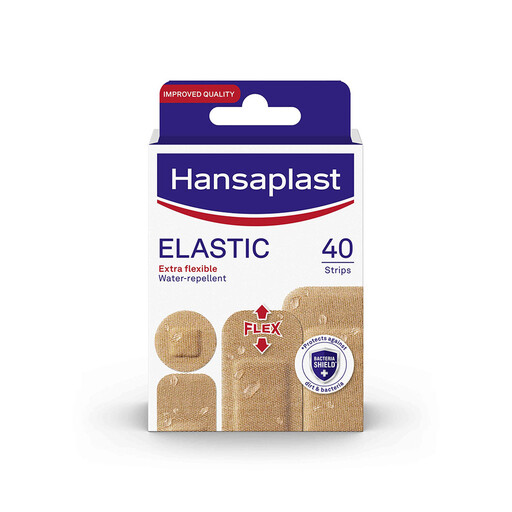
Why this suits this profile : With 40 dressings in four sizes, this assortment covers everyday minor injuries without leaving you with multiple boxes.
The range of sizes helps prevent you from applying a dressing that is too small or unnecessarily bulky.
Flexible fabric, water-repellent backing, four sizes and a 0 % latex claim according to the product information.
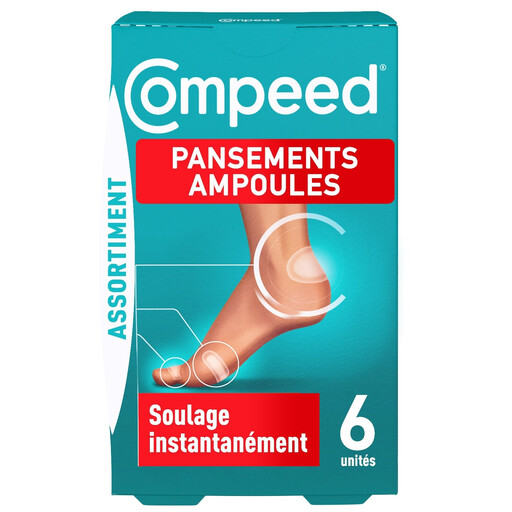
Why this suits this profile : This assortment is ideal for anyone who wants to match the size to a blister on the heel, under the foot or on a toe.
The three sizes reduce the risk of applying poorly sized protection to an area exposed to friction.
Two medium dressings, two small ones and two toe models, with a hydrocolloid mass stated on the product page.
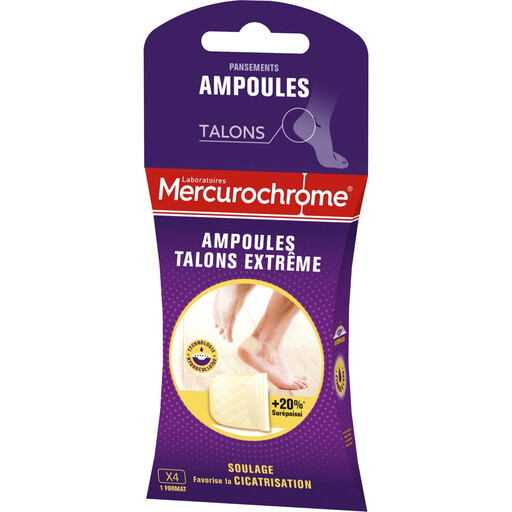
Why this suits this profile : Designed for the heel and sole of the foot, this model is aimed at hikers, sportspeople and anyone regularly exposed to friction from footwear.
Its size and raised mesh are specifically designed for areas exposed to pressure and friction.
Four dressings, tapered edges, hydrocolloid protection and water resistance according to the product information.
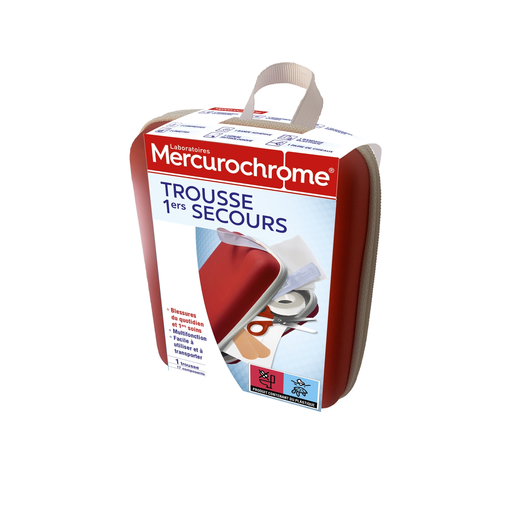
Why this suits this profile : This ready-to-store kit is ideal for households that want to keep essentials together for use at home, while travelling and during outdoor activities.
Keeping everything in one place reduces the chance of forgetting essentials and makes it easier to check which products have been used or have expired.
An easy-to-carry format and versatile contents for common incidents, with regular checks recommended.
We have brought together a complete, real-time updated selection of products that meet these exacting criteria and European safety regulations.
Deep wounds, bites, serious burns, persistent bleeding and signs of infection require medical attention. People with diabetes or circulation problems should also seek advice before carrying out certain types of care.
It depends on the condition of the dressing and the manufacturer’s recommendations. Some models can remain in place for several days if they are still adhering properly. Remove them if they begin to peel away, become dirty or cause irritation. Do not use a hydrocolloid dressing on an infected wound without medical advice.
Choose a model explicitly described as waterproof, with a continuous adhesive surface around the dressing pad. A small wound dressing may be suitable for use in the shower, but it should be replaced if it comes away or if water reaches the wound. For swimming, follow the manufacturer’s specific instructions.
Include several sizes of dressings, sterile dressing pads, medical adhesive tape, an adhesive strip, disposable gloves and scissors if the chosen format cannot be torn by hand. Add a few children’s dressings and blister protection if your family regularly takes part in sports or hiking.