
Same-day & Next-day Delivery

Quality Guaranteed

Unlock Your Welcome Offers: FREE Delivery | Up to 80% OFF | Free 30-day JoyPlus trial
Download the APP
A cut while preparing dinner, a blister after a hike or a child’s grazed knee will not necessarily require the same type of protection. Yet the shelves are packed with dressings and wound care products in all kinds of formats, materials and with a wide range of claims. The result? You may end up with a product that is too small, too rigid or poorly suited to damp conditions.
Before adding to your family first-aid kit, here are the main pitfalls to avoid and the criteria that really matter when choosing adhesive dressings, gauze or a cleansing product.
A dressing described as waterproof or water-resistant may be suitable for showering or washing your hands. However, this does not guarantee that it will stay perfectly in place after a long swim or an intense workout. The quality of the adhesive, the shape of the backing and applying it to completely dry skin also play a decisive role.
A standard dressing protects a small cut, but it does not necessarily reduce repeated rubbing. For a blister, hydrocolloid blister plasters create a flexible protective layer that helps reduce irritation. For a corn, a product containing a specific active ingredient, such as salicylic acid, meets a different need and requires you to follow the precautions on the packaging carefully.
A pack of 40 dressings is not necessarily more practical than a pack of 10 if its dimensions do not match the injuries most commonly encountered in your household. Check the range of sizes, whether it includes a non-stick pad and whether it is suitable for areas that move frequently: fingers, joints, heels or toes.
For a graze, a standard size may be sufficient. A wound on a finger or joint requires greater flexibility, as well as a suitable adhesive area. Finger plasters made from stretch material follow everyday movements more effectively, while a cut-to-size roll can cover areas with less common dimensions.
For wider coverage, sterile gauze can be secured with a bandage or medical tape. Always check that the packaging is intact: gauze from an opened or damaged pouch must no longer be considered sterile.
A fabric backing is generally flexible and comfortable on areas that move a lot. A waterproof backing is preferable when the wound needs to be protected from water. The central non-stick pad makes removal easier by reducing the risk of the dressing sticking directly to the wound.
People who are sensitive to adhesives may prefer products marked latex-free, while remaining alert to any redness or irritation. If a reaction occurs, remove the product. If it persists, seek advice from a healthcare professional.
For a small superficial wound, gently clean the area, dry the surrounding skin, then apply the dressing without stretching it. A wound cleansing spray can be useful at home, when travelling or in a sports bag. The Hansaplast spray included in this selection is presented as suitable for cleaning small cuts, grazes and superficial burns. Follow the instructions, particularly the usage restrictions and the time limit to observe after opening.
For a blister, blister plasters with hydrocolloid technology should be applied to clean, dry skin. They should generally be left in place until they start to come away, unless otherwise indicated. If there is pus, spreading redness, significant pain or a fever, it is better to seek medical advice than simply change the dressing.
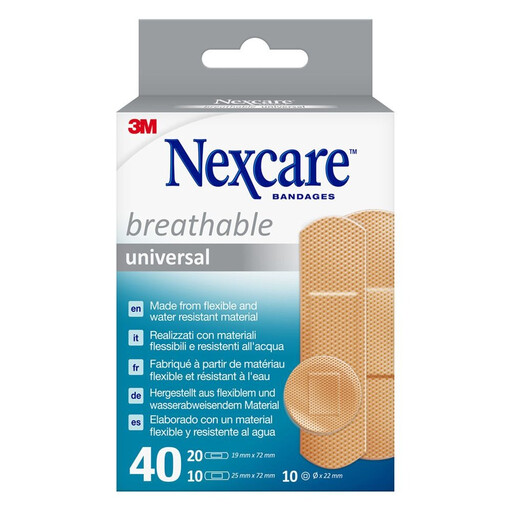
Why this choice suits this profile : With 40 plasters in three sizes, this assortment covers everyday small cuts and grazes without requiring you to buy several boxes.
The range of sizes reduces the risk of using a dressing that is too large or too small. The non-stick pad makes removal easier.
Breathable, water-resistant backing, stretch material, 20 plasters measuring 19 × 72 mm, 10 measuring 25 × 72 mm and 10 round plasters measuring 22.5 mm.
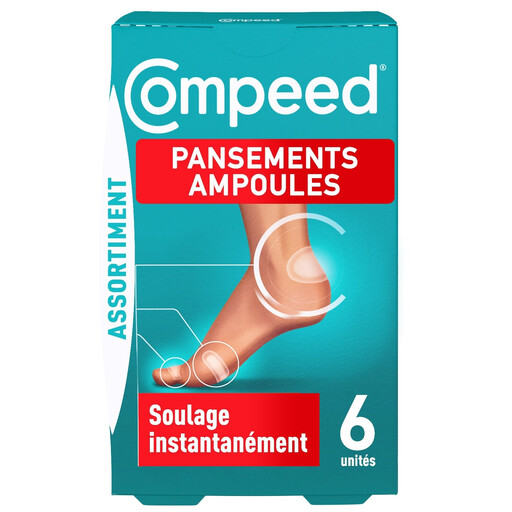
Why this choice suits this profile : This assortment is designed for people who alternate between walking, travelling and activities requiring sizes suited to different areas of the foot.
The sizes are designed for blisters on the foot: two small, two medium and two for toes, rather than one standard size.
Hydrocolloid technology, discreet and water-resistant backing, with wear time designed to last until the plaster naturally comes away.
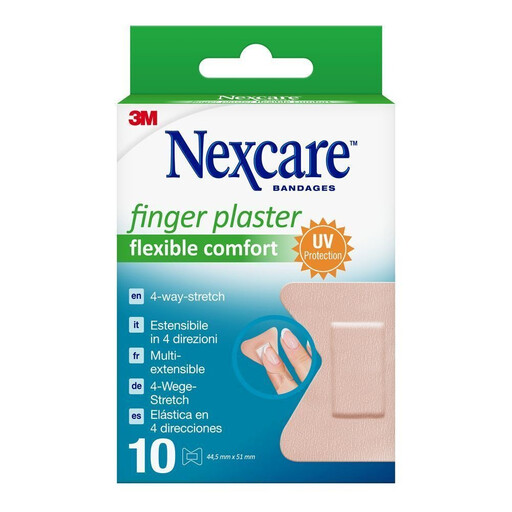
Why this choice suits this profile : People who garden, do DIY or regularly work with their hands will appreciate this size, designed specifically for fingers.
The four-way stretch material follows the finger’s movement as it bends, unlike a rigid rectangular dressing.
10 pieces measuring 44.5 × 51 mm, water-resistant adhesive, breathable material and stated absence of natural latex.
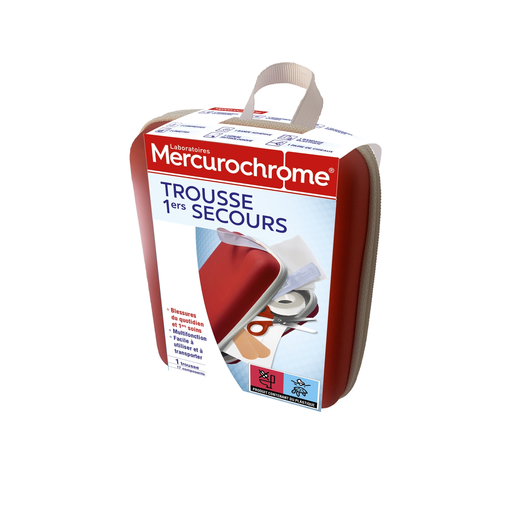
Why this choice suits this profile : This ready-to-use kit is easy to store at home, in the car, in a suitcase or in a hiking bag.
Keeping everything together helps you avoid forgetting essential accessories and makes it easier to check which items have been used or have expired.
Lightweight and easy to carry, this kit is designed for everyday minor accidents, at home or while travelling.
We have put together a comprehensive, real-time updated list of products that fully meet these strict selection criteria and European safety regulations.
A genuinely useful first-aid kit should be easy to access and checked regularly. You could include:
Children’s plasters, particularly decorated designs, can make it easier for children to accept treatment. However, they are still intended for superficial injuries. Hansaplast, Nexcare, Mercurochrome and Compeed offer different sizes: compare the intended use, dimensions and warnings rather than relying solely on the brand name.
A standard plaster should be replaced if it becomes damp, dirty or starts to come away. Some products claim to provide up to 48 hours of wear, while hydrocolloid plasters can remain in place for several days, depending on their adhesion and the condition of the skin. The product instructions should always be followed.
No. This type of plaster is suitable for small, clean, superficial wounds, but it is not a substitute for medical advice in the event of a deep wound, bite, serious burn or infected injury. Clean and dry the skin around the wound carefully before applying the plaster to help it adhere properly.
Sterile gauze is useful for cleaning a wound, absorbing slight discharge or covering a larger area. It should be secured with a suitable product and replaced as often as necessary. If the wound is bleeding heavily, remains painful or shows no sign of improvement, seek medical attention promptly.