
Livraison le jour même ou le lendemain

Qualité garantie

Débloquez vos offres de bienvenue: Livraison GRATUITE | Jusqu'à -80 % | 30 jours d'essai gratuits à JoyPlus
Téléchargez l'application
Whether you're putting together a sketchbook, a journaling kit, or creative activities for children, the range of drawing and colouring supplies can quickly become overwhelming to compare. Product descriptions often focus on the number of colours or promises of durability, when the most important criteria are hidden elsewhere: paper weight, ink type, moisture resistance, and usage precautions.
Here are the points to check before ordering, along with a selection suited to different uses in the UK.
A high grammage alone doesn't guarantee good performance with water. 120 gsm paper works well for pencil, pastel, or charcoal, but it's likely to buckle as soon as you apply washes. For watercolour, it's better to choose watercolour paper of 200 to 300 gsm, with appropriate sizing.
A well-stocked set isn't necessarily the most practical. For precise drawing, the width of the nibs and the consistency of the ink flow matter more than the total number of pieces. Fineliner pens in different diameters will be far more useful for outlines, hatching, and annotations than an assortment made up of nearly identical tips.
Even ink marketed as quick-drying can leave smudges on very smooth or less absorbent paper. Left-handed people and fans of journaling supplies should check the smudge resistance, then test on a similar page before starting a full layout.
For young children, also check the recommended age, the possible presence of small parts, and the manufacturer's instructions. Stickers, caps, and tips can pose a choking hazard for children under 3.
The Clairefontaine Cray’ON R.I. paper, for example, offers 50 A4 sheets of 120 gsm, with one very lightly textured side and one smooth side. This double surface lets you choose the desired finish and withstands repeated corrections with dry media.
For gel pens, a 0.5 mm tip is suitable for notes, fine outlines, and drawing details. Quick-drying inks reduce smudging, but their behaviour also depends on the paper used. Metallic pens with 0.8 mm tips are more intended for highlights on dark or coloured paper.
Pigmented ink fineliners come in several widths, from 0.15 mm up to brush tip depending on the set. Even when an ink is claimed to be water-resistant or alcohol-resistant, test it on your surface before adding watercolour or markers.
An A4 drawing pad offers a comfortable surface for studies and compositions. A pocket-sized notebook is easier to carry for spontaneous sketches, on public transport, or during a break. A stitched binding or lay-flat opening makes drawing on a double page easier, while a glued pad allows you to tear out sheets.
Also think about storage: an inner pocket can hold tickets, visual references, or loose sheets. At home, a compact format takes up less space on a desk or kitchen table.
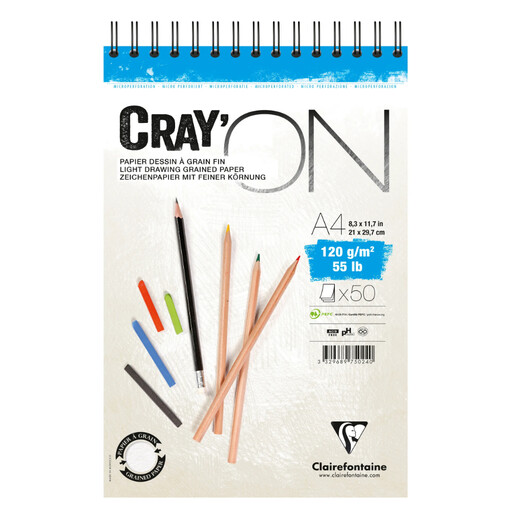
Why this choice suits this profile: its A4 format and 50 sheets let you practise drawing, sketching, and coloured pencils without needing multiple surfaces.
This paper is designed for dry techniques: no need to pay more for a watercolour surface when your main use remains drawing.
120 gsm paper, acid-free, PEFC certified, with two surfaces and good resistance to corrections.
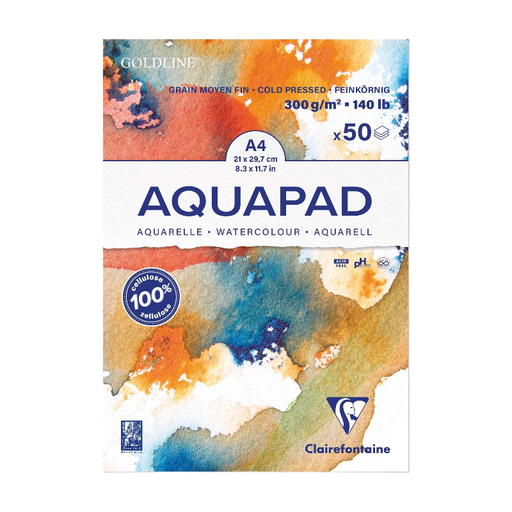
Why this choice suits this profile: this pad is suitable for students and artists who switch between watercolour, gouache, ink washes, and practice exercises.
Its 300 gsm weight and double sizing are far better suited to wet techniques than a simple drawing paper.
Natural white cellulose paper, medium-fine grain, acid-free, described as vegan by the manufacturer.
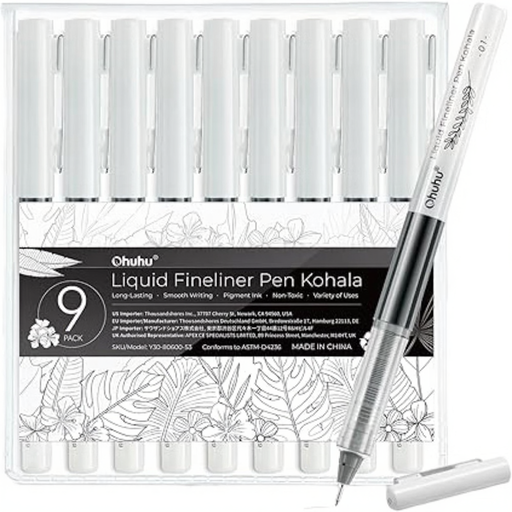
Why this choice suits this profile: the nine tips cover very fine outlines, writing, hatching, and some brush-style strokes.
Varied diameters are far more functional than a set where every pen produces nearly the same line.
Tips from 0.15 mm to brush, pigmented black ink claimed to be water-resistant and alcohol-resistant.
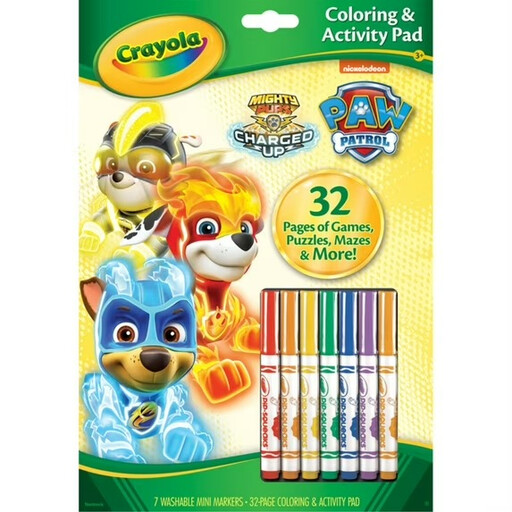
Why this choice suits this profile: this compact activity pad can be used at home, on the go, or during quiet time, with colouring pages, games, and stickers.
The product combines several activities in a ready-to-use format, without having to buy games or templates separately.
Colouring pages, puzzles, games, and stickers; product not recommended for children under 3 due to the presence of small parts.
We've put together an updated selection of products suited to different uses for drawing, colouring, journaling, and creative hobbies.
To keep your supplies in good condition:
Pens and stickers containing small parts must be kept out of reach of children under 3. Ink can stain fabrics and porous surfaces: a table protector is therefore useful for family craft sessions.
For pencil, charcoal, and coloured pencils, paper of 120 to 140 gsm is generally suitable. For watercolour, opt for a weight of 200 to 300 gsm, with a texture and sizing designed for wet techniques.
Yes, 0.5 mm tips are practical for writing, drawing frames, and adding details. However, test the drying time on your notebook, especially if the paper is smooth or if you are left-handed.
Close the caps, retract the tips, and store the products in a cool, dry place. For pads and notebooks, avoid humidity and large temperature fluctuations to minimise paper warping.