
Livraison le jour même ou le lendemain

Qualité garantie

Débloquez vos offres de bienvenue: Livraison GRATUITE | Jusqu'à -80 % | 30 jours d'essai gratuits à JoyPlus
Téléchargez l'application
Buying drawing supplies and creative hobby materials can quickly become a headache. Between colourful sets, promises of longevity and palettes of several dozen shades, price alone isn't enough to tell you whether a product is truly suitable. Parents, students, beginners and journaling enthusiasts alike need to check that the materials, the surface you're using and how often you practise all work together.
A set of 60 or 72 shades gives the impression it covers every need. In practice, some colours will often stay at the bottom of the box. To start with, a few well-chosen shades and a suitable surface are far better. Several types of tip or a blending system can prove more useful than the total number of pencils or pens.
A water-based pen can bleed through the pages of a thin notebook, while an acrylic marker needs a more resistant surface. For a sketchbook or a drawing pad, pay close attention to the weight, texture and type of paper. A 120 gsm paper, for example, works well for many sketching and writing exercises, but it won't replace paper designed for very wet techniques.
Tips must be properly recapped, and some pens must be stored horizontally. For children, check the recommended age, whether there are any small parts and any information about staining. The word "washable" doesn't guarantee the ink will come off every surface or every fabric.
HB graphite pencils offer a good balance between hardness and intensity. They're suitable for writing, sketching and schoolwork alike. For precision work, a 0.5 mm mechanical pencil gives a consistent line. A 1.8 mm model with a 2B lead is better suited to drawing and shading.
For colouring, choose your coloured pencils based on the finish you want: a hard lead makes detailing easier, while a softer lead covers small areas more readily. Colouring pens and brush pens are well suited to lettering, decorative colouring and journaling, as long as you check how they behave on the paper you've chosen.
A sketch pad that opens completely flat makes drawing across a double page much more comfortable. A soft cover and rounded corners make it easier to carry, while an inside pocket lets you slip in a few sheets or reference images.
With markers, always test the colour on a separate page. Acrylic markers can be used on wood, glass, ceramic or canvas, depending on the manufacturer's recommendations. Before decorating an object permanently, though, do a test on an inconspicuous area.
For a child, go for thick pencils that are easy to hold. Washable wax crayons in a jumbo format are often easier for little hands. Triangular models with grip zones can also help stabilise the hold, without replacing adult supervision or a teacher's guidance.
For a student or a heavy user, other details become important: the weight of the pencil, a non-slip hexagonal shape, the availability of refills and the durability of the tip.
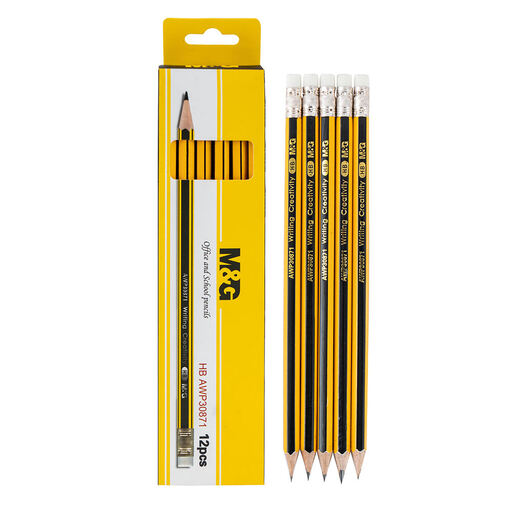
Why this choice suits this profile: This pack of 12 pre-sharpened pencils is ideal for homework, first sketches and everyday use at home or in the office.
The pack saves you from having to buy pencils constantly, while the HB hardness lets you start without needing lots of different grades.
Hexagonal body that won't roll, HB lead and an integrated eraser on each pencil.
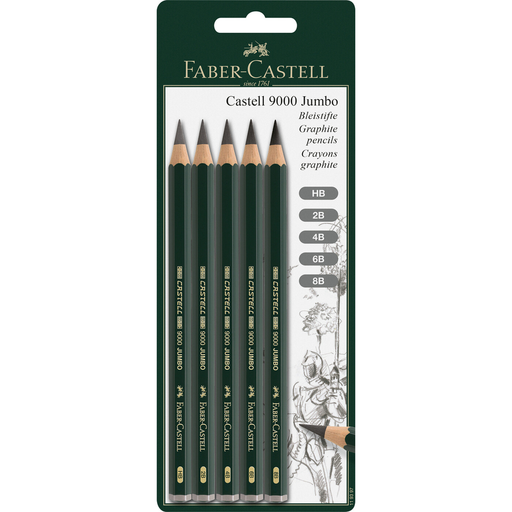
Why this choice suits this profile: Its jumbo body is aimed at artists who prefer a wider grip for sketching, hatching and graphite washes.
Its thick shape clearly focuses on control and comfort, rather than a vague promise of versatility.
Graphite lead claimed to be break-resistant, wooden body and suitable for both sketching and shading.
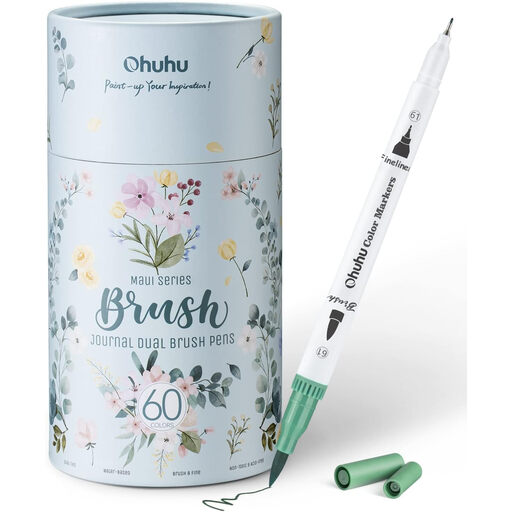
Why this choice suits this profile: This set covers lettering, colouring, sketching and journaling thanks to its two tips per pen.
The functions are concrete: a 0.4 mm fineliner tip and a 1 to 6 mm brush tip, rather than just a marketing claim.
60 colours, colour chart and five replacement tips included.
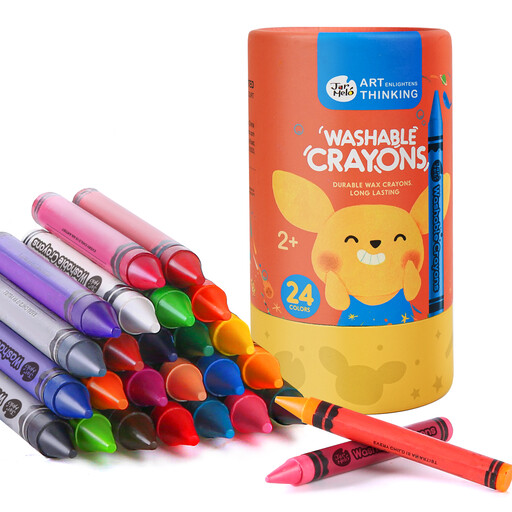
Why this choice suits this profile: These thick crayons are designed for little hands and for activities at home, in the classroom or on the go.
The jumbo format and the claimed washable formula address two very real issues: grip and cleaning.
24 colours, thick format and materials claimed to be non-toxic and washable. Always check the label and supervise young children.
We've put together a complete, real-time updated selection of products that meet these exacting criteria, while also complying with European safety regulations.
A basic kit could include HB graphite pencils, an eraser, a sharpener and a sketchbook or drawing pad. Then add coloured pencils or pens depending on what you're doing. This approach lets you figure out your preferences before investing in a big set.
For pens, choose paper that's thick enough and do a test on a separate page to check for any bleeding. Acrylic markers can be used on different surfaces, but their compatibility depends on the material and its finish. Follow the manufacturer's recommendations: some products need to be stored horizontally and require drying time between layers.
Replace caps after every use, store pens according to the manufacturer's instructions and keep them away from heat and direct light. Keep your pencils in a case that protects the leads and use a suitable sharpener. For sketchbooks and notebooks, storing them in a dry place helps prevent the paper from buckling and the cover from wearing out.