
Livraison le jour même ou le lendemain

Qualité garantie

Débloquez vos offres de bienvenue: Livraison GRATUITE | Jusqu'à -80 % | 30 jours d'essai gratuits à JoyPlus
Téléchargez l'application
Whether you're a seasoned artist, a fine arts student, or an avid journaling enthusiast, choosing the right drawing supplies can transform a simple idea into a fully-fledged work of art. Yet, in a market saturated with marketing promises, it's easy to end up with supplies that stifle creativity instead of setting it free.
Who hasn't cursed at paper that pills at the first touch of an eraser or a notebook whose pages buckle when you add watercolor? Another classic pitfall: pens with ink that smudges and ruins hours of work, or that dry out far too quickly. This guide is designed to help you navigate these traps and identify the essential criteria for a successful purchase.
Before you fill your cart, it's crucial to understand a few technical details that make all the difference. Overlooking these is often the main source of disappointment.
It all starts with the paper. It's the foundation of your creation, and two characteristics define its quality:
A good pen must provide a steady ink flow and a color that lasts. Here's what to look for:
To put theory into practice, here are a few products that meet specific needs.
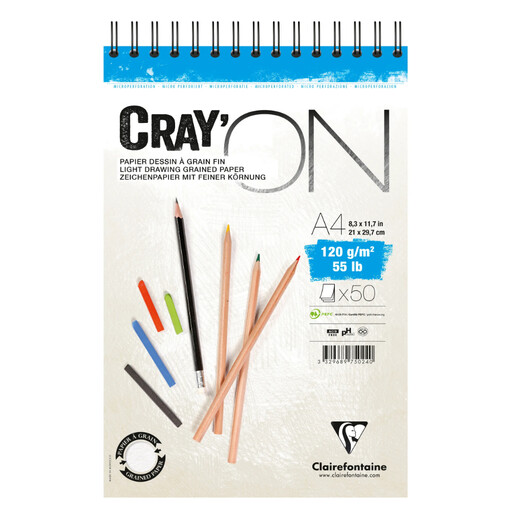
The perfect companion for students and artists exploring dry media. This pad offers versatile, high-quality paper without breaking the bank, ideal for exercises, sketches, and studies.
Its 120 gsm weight and acid-free manufacturing give it excellent durability. It withstands repeated erasing and scraping without pilling, a common issue with low-quality papers.
Dual-sided surface: one side with a very light grain to grip the medium, and a smooth side for precise lines. PEFC certified for responsible forest management.
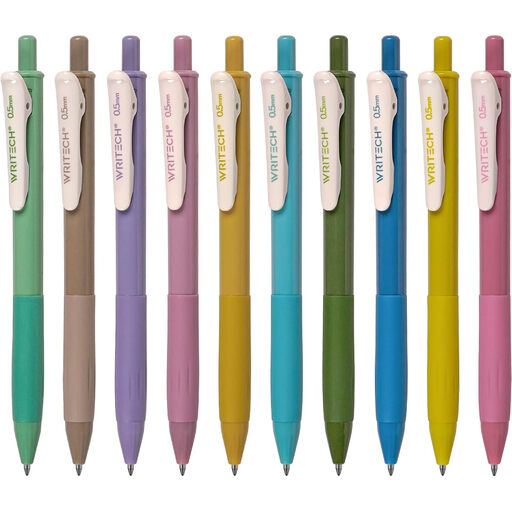
The go-to tool for fans of *bullet journaling*, creative note-taking, and precision drawing. The unique color palette and high-performance ink make it an everyday creative partner.
The quick-drying gel ink prevents smudges, a decisive advantage for left-handers and for layering colors. No more stained notebook pages!
Fine 0.5 mm tip for smooth, skip-free writing. Comfortable ergonomic grip for long drawing or writing sessions.
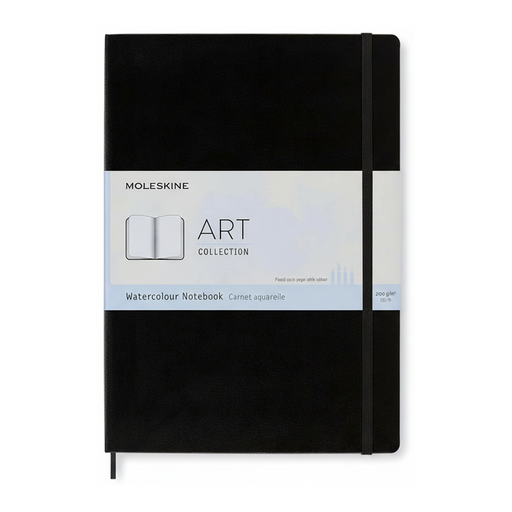
Designed for artists who use wet media and need a support that is both reliable and portable. Its hardcover and thick paper make it a true portable studio for finished pieces.
Its thick 200 gsm paper is designed to handle watercolor and ink washes without bleeding through and with minimal buckling. No more paper warping at the slightest drop of water!
Ivory-colored, acid-free paper for excellent color preservation. Lay-flat 180° opening and an inner pocket for added convenience. FSC-certified paper.
Explore our complete, updated collection of products that meet our strictest quality standards.
What paper weight is best for pencil drawing? For sketching and pencil drawing, paper between 90?gsm and 120?gsm is generally sufficient. It offers good resistance to erasing without being too thick or expensive. The Deli Finenolo A4 pad is a great option for daily practice. If you plan to use mixed media or apply intense shading, a 140?gsm paper like that in the Clairefontaine Goldline notebook will offer more stability.
How can I prevent ink from smudging on paper? The solution involves a combination of three elements. First, the pen: opt for a quick-drying ink (gel or pigment), like the one in Ohuhu black fineliner pens, which is also water-resistant. Second, the paper: a smooth (hot-pressed) surface prevents the ink from feathering. Finally, for left-handers, there are specially designed pens with almost instant-drying ink that are a real game-changer.
Are drawing supplies for children different? Yes, and for good reason. Children's drawing supplies emphasize safety (non-toxic products), practicality (washable, stain-proof), and of course, the fun factor. For example, the Crayola Frozen II Coloring & Sticker Book combines two activities in one. For a mess-free creative experience, scratch art notebooks like the OSLINE Kids Scratch Art Drawing Pad are an excellent alternative, revealing rainbow colors beneath a black coating.