
Livraison le jour même ou le lendemain

Qualité garantie

Débloquez vos offres de bienvenue: Livraison GRATUITE | Jusqu'à -80 % | 30 jours d'essai gratuits à JoyPlus
Téléchargez l'application
Whether you're shopping for back-to-school supplies, are an art student, a passionate hobbyist, or a professional artist, choosing the right drawing supplies can be overwhelming. Faced with a jungle of sets, brands, and technical specs, it's easy to feel lost or end up with buyer's remorse. This guide is here to help you see clearly, avoid the common pitfalls, and find the tools that are perfectly suited to your ambitions and your budget.
Marketing can often be misleading. To avoid falling into the trap, here are the most common pitfalls that lead straight to disappointment.
You don't need to know everything to make the right choice. Just focus on a few key points that make all the difference.
The most important indicator on a graphite pencil is its hardness. The scale ranges from hard leads (H, for Hard) to soft leads (B, for Black).
For colored pencils, there are two aspects to watch closely:
The shape of the pencil is crucial for comfort, especially during long drawing sessions.
Here is our selection, curated for every type of artist, keeping our quality criteria and the pitfalls to avoid in mind.
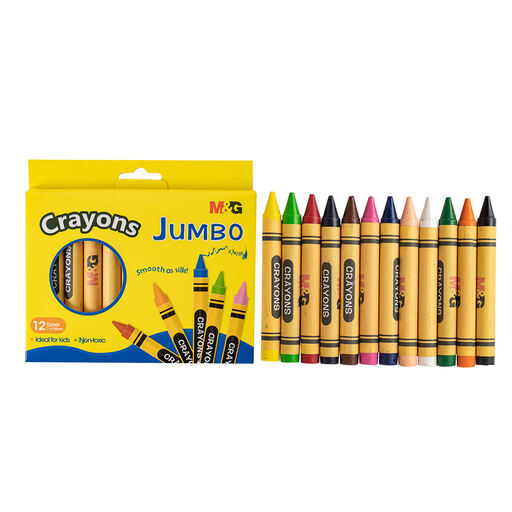
Why we chose it: Perfect for early creative explorations. Its non-toxic formula ensures safety, while its thick shape is designed for little hands learning to hold a pencil.
This set focuses on the essentials for a young child: ergonomics and safety. It doesn't pretend to be professional, but it gets the job done perfectly as a first coloring tool.
Its "Jumbo" shape ensures an easy grip and allows for laying down vibrant colors without applying much pressure.
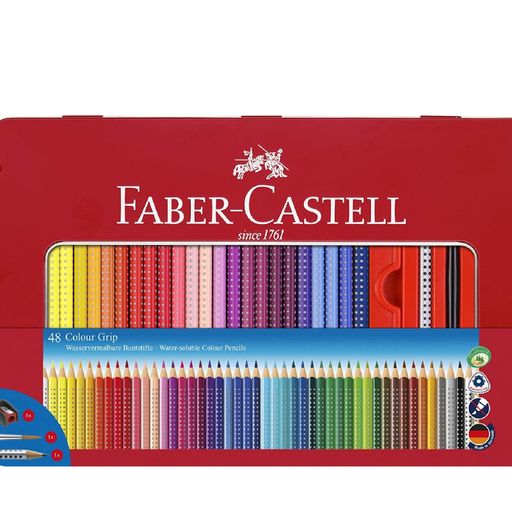
Why we chose it: An excellent compromise for exploring different techniques. These watercolor pencils offer great versatility, and their triangular shape with a "grip" zone ensures excellent comfort, even after several hours.
This is a complete set, but every component is high-quality. Faber-Castell is a renowned brand, and the dual functionality (wet/dry) is a real asset, not a gimmick.
Watercolor pencils for dual use and a patented ergonomic grip for optimal comfort.
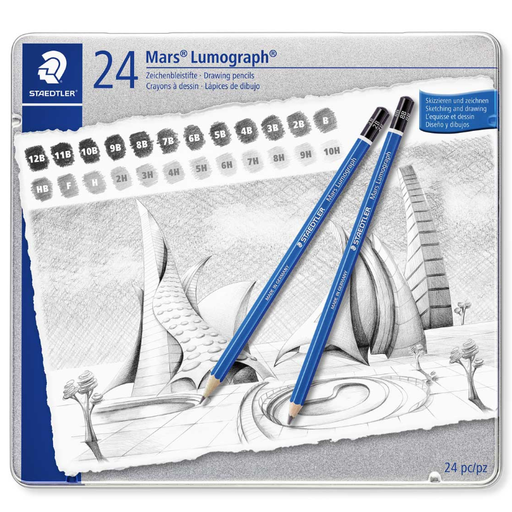
Why we chose it: The gold standard for technical and artistic drawing. This set offers an exceptionally wide range of hardness grades (12B to 10H) for total control over your lines, from the deepest shadows to the finest details.
This set fully justifies its "professional" status. It's not a marketing claim but a technical reality, with a range of 24 distinct hardness grades and a renowned lead quality.
A complete hardness range for maximum versatility and a high-quality lead renowned for its break-resistance.
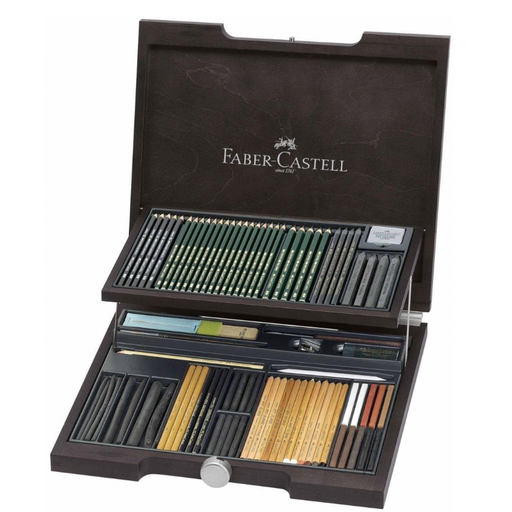
Why we chose it: A true monochrome drawing studio in a luxurious case. It brings together a complete collection of fine-art quality graphite, charcoal, pastels, and accessories for limitless exploration of value and texture.
This case is the antithesis of a cheap, all-in-one set. Each piece is superior quality and has its purpose, offering a coherent and high-performance collection for discerning artists.
A complete 85-piece monochrome collection of fine-art quality, presented in an elegant wooden case for storage and transport.
Discover our full selection of products that meet our quality criteria and current safety standards.
Classic colored pencils have a wax- or oil-based lead designed for dry use. Watercolor pencils, on the other hand, have a water-soluble binder in their lead. This means you can use them normally, then go over your drawing with a wet brush to dissolve the pigments and create wash, gradient, and transparency effects worthy of a true watercolor painting.
It all depends on your goal. To put it simply:
Yes, and it's non-negotiable. The paper has a direct impact on the final result. A good drawing paper, like a Clairefontaine Cray'ON pad, has a paper weight (e.g., 120g/m?) high enough to withstand multiple layers of color and repeated erasing without pilling or tearing. Its tooth (the texture of its surface) helps pigments adhere, which is crucial for working on shadows and gradients. In short, investing in decent paper will do justice to your pencils and your talent.