
Livraison le jour même ou le lendemain

Qualité garantie

Débloquez vos offres de bienvenue: Livraison GRATUITE | Jusqu'à -80 % | 30 jours d'essai gratuits à JoyPlus
Téléchargez l'application
Whether you're a seasoned artist, a fine arts student, or simply a drawing enthusiast, your choice of paper is just as crucial as your pencils or brushes. The wrong surface doesn't just ruin a piece of art; it can also stifle your creativity and hinder your progress. Faced with overloaded shelves, the pitfalls are many and disappointing purchases are common. This guide is here to demystify the subject and help you find the paper that will truly elevate your creations.
Before you dive in, let's review the most common mistakes to avoid:
To never make a mistake again, three key criteria are all you need. Consider them your compass in the jungle of fine art supplies.
Expressed in grams per square meter (gsm), paper weight is simply the mass of the paper. It determines its thickness, rigidity, and ability to absorb water. It's the first filter to determine if it's suitable for your technique.
The grain is your paper's personality. This surface texture directly influences the appearance of your lines and colours.
For your artwork to stand the test of time, its composition is paramount. The mention "acid-free" or "pH-neutral" is your anti-aging insurance. Without it, the paper will yellow and become brittle over the years. Most quality papers today are made from cellulose (wood pulp) or cotton. The latter is the Rolls-Royce of paper: more durable, more absorbent, but also more expensive.
To put theory into practice, here is our selection of papers and notebooks for every profile, based on the criteria we've just covered.
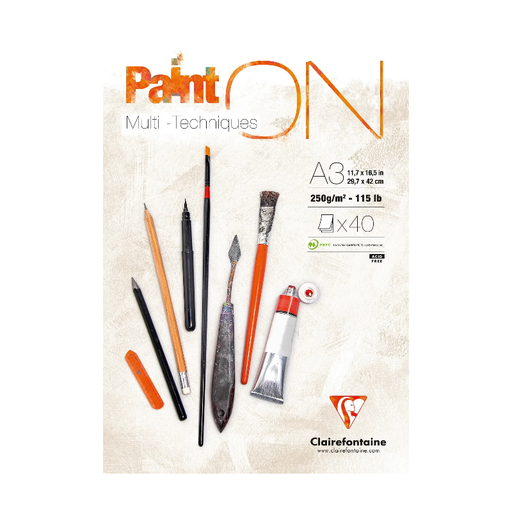
Why we chose it: The Swiss Army knife for creatives who love to juggle different media. It allows you to switch from pencil sketches to gouache or ink on the same sheet, without a second thought.
Unlike so-called "multi-media" papers, its sturdy 250 gsm weight handles moisture extremely well and drastically reduces buckling.
Its versatility isn't a marketing gimmick: it truly works for both dry and wet media. Its very fine grain preserves the sharpness of details.
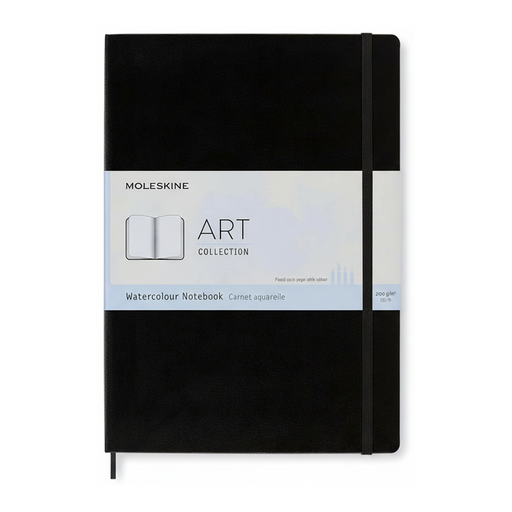
Why we chose it: This Moleskine notebook is the ideal travel companion for artists who paint outdoors or on the go. Its hardcover protects artwork from the hazards of transport, and its paper was specially designed for wet media.
No more standard notebooks whose pages buckle at the first drop of water. With its 200 gsm paper and sturdy binding, it won't warp.
A portable and durable format, with archival-quality (acid-free) paper that handles watercolour washes without breaking a sweat.
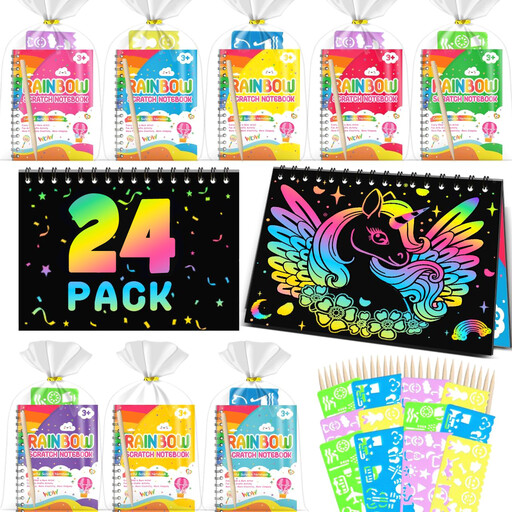
Why we chose it: This kids' drawing kit is the magic solution for keeping young ones creatively occupied, without taking out paints or markers. Perfect for birthday parties, end-of-year gifts, or keeping them busy on long trips.
It bypasses the main problem of creative activities: the mess. No more stains or complicated supplies. Each kit is individually wrapped, ready to be handed out.
A ready-to-go, fun, and clean activity. The result is immediate and rewarding for children, who see bright colours appear like magic.
Discover our full selection of products that meet our quality criteria and current standards.
100% cellulose paper, made from wood pulp, is the most common. It offers excellent value for money for most uses, from studies to finished works in dry media. 100% cotton paper is the top-of-the-line option. Made from cotton fibres, it is naturally acid-free, more absorbent, and much more durable. It's the go-to choice for professional watercolourists because it can handle successive layers (glazing) and even allows you to "lift" pigment without damaging the fibres.
Buckling is the paper's normal reaction to water. To control it, the most effective method is to stretch your paper: wet it, place it on a rigid support (a board, a thick piece of cardboard), and tape down the edges with masking tape or gummed tape. As it dries, the paper will become drum-tight and won't move. The other, much simpler option is to use a paper block that is glued on all four sides. The sheets are held together, which limits warping. You can then simply detach the sheet with a thin blade once your artwork is completely dry.
80 gsm paper, the kind you use in your printer, is really too thin for serious artistic use. It can do in a pinch for scribbles or taking notes, but that's about it. Markers will definitely bleed through, and the slightest moisture will cause it to buckle immediately. For a real sketchbook, aim for at least 100 gsm. From 120 gsm upwards, the user experience becomes truly enjoyable.