
Livraison le jour même ou le lendemain

Qualité garantie

Débloquez vos offres de bienvenue: Livraison GRATUITE | Jusqu'à -80 % | 30 jours d'essai gratuits à JoyPlus
Téléchargez l'application
Choosing a new drawing pad might seem simple, but the process is often a minefield. Who hasn't felt the disappointment of paper tearing after the first erase, or a sheet of watercolour paper buckling at the slightest touch of water? Marketing often highlights features that don't align with real-world use, leading to purchases you'll quickly regret.
Before you decide, watch out for these two common pitfalls:
This guide will help you decode the technical specs to find the sketchbook or pad perfectly suited to your artistic practice and your budget.
To avoid unpleasant surprises, three technical parameters demand your attention. These are what determine the true performance of your future drawing supplies.
Paper weight, expressed in grams per square meter (gsm), determines the paper's thickness and rigidity. It's the first filter to guide your choice.
The surface of the paper has a direct impact on the final look of your artwork. There are three main types of grain:
A good drawing paper must be able to stand the test of time without yellowing or deteriorating. To ensure this, look for the "acid-free" (or pH neutral) label. This treatment prevents the paper from breaking down due to light and air exposure. Renowned brands like Clairefontaine or Canson include this standard in most of their quality ranges.
Here is our selection, curated for different profiles and purposes.
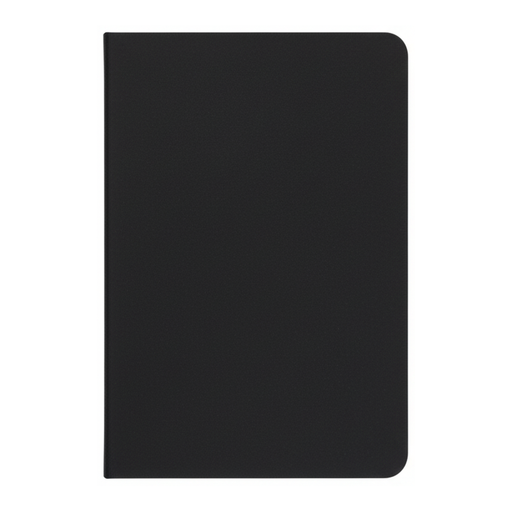
Why it's a great choice: Perfect for those who sketch on the go, on public transport, or while travelling. Its pocket-friendly size, flexible yet durable cover, and 120 gsm ivory paper make it a reliable companion for pencil or pen sketches.
This sketchbook doesn't claim to be a jack-of-all-trades. It is designed for sketching, and its 120 gsm weight is perfectly suited for that purpose, avoiding the disappointment of paper that's too thin or too thick for its function.
Renowned build quality (180° lay-flat opening, inner pocket, acid-free paper). Its portability and durability justify the investment for heavy daily use.
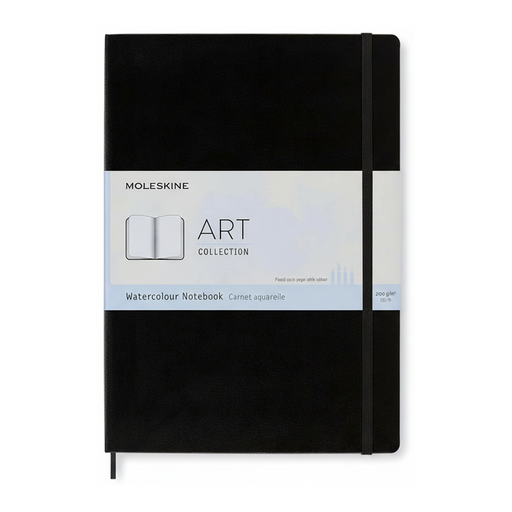
Why it's a great choice: Designed for artists who practice watercolour diligently, both in the studio and outdoors. The hardcover provides a stable surface, and the thick paper is engineered for wet media.
This is not a "mixed-media" pad but a true watercolour pad. Its 200 gsm paper is specifically designed to absorb water with minimal warping, unlike versatile papers that buckle quickly.
Thick, durable paper that handles washes and corrections well. The sturdy binding allows it to open flat, offering a comfortable two-page workspace.
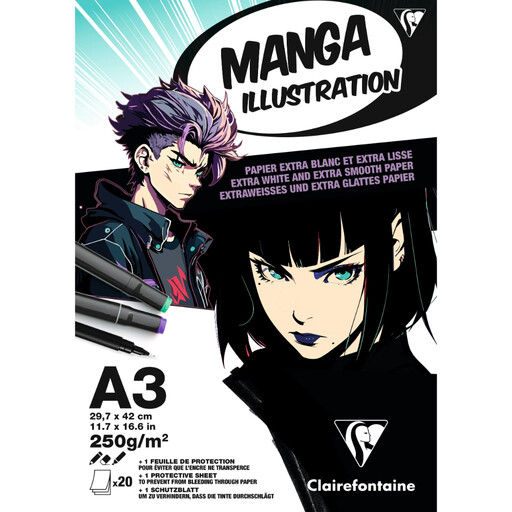
Why it's a great choice: Ideal for manga artists, illustrators, and anyone who uses alcohol markers. Its ultra-smooth surface and high paper weight are optimised for clean, crisp colour fills without feathering.
It directly tackles the #1 problem with paper for alcohol markers: bleed-through. The 250 gsm Bristol paper is not only thick but also comes with an anti-transfer blotter sheet to slip underneath for absolute peace of mind.
Perfectly smooth surface for sharp linework and vibrant colours. Highly resistant to repeated erasing and scraping, allowing you to correct your work without damaging the surface.
Explore our full selection of products, all validated against our demanding criteria.
To summarise:
Even 300 gsm paper can warp slightly with a lot of water. The most effective solution is to stretch the paper before you begin. To do this, wet it evenly, place it on a board, and secure the edges with gummed tape. As it dries, the paper will tighten and remain perfectly flat while you paint. Pads that are glued on all four sides offer a convenient alternative that already minimises this issue.
A Moleskine sketchbook represents a significant investment. It's justified if you're looking for a durable, elegant, and functional object for regular, on-the-go use. The quality of its binding, its acid-free paper, and its practical details (pocket, elastic closure) make it a reliable work tool. For occasional use or studio studies, more budget-friendly options from brands like Canson or Clairefontaine can be just as suitable. The choice depends on your priority: durability and design, or the quantity-to-price ratio.