
Livraison le jour même ou le lendemain

Qualité garantie

Débloquez vos offres de bienvenue: Livraison GRATUITE | Jusqu'à -80 % | 30 jours d'essai gratuits à JoyPlus
Téléchargez l'application
Whether you're a seasoned artist, an adult colouring enthusiast, or passionate about lettering, choosing the right tools is a crucial step. The world of drawing markers is so vast that navigating it can be overwhelming. Fine tip or brush?? Water-based or pigmented ink?? This guide breaks down the essential criteria to help you find the perfect materials for your creative projects.
Several technical features directly impact the final look of your creations. Let's review them to help you make an informed decision.
A marker's tip determines the line quality and the techniques you can use. The main types are?:
The ink's composition is just as important as the tip.
A rich and harmonious colour palette is a major asset. Artist-grade marker sets offer curated assortments designed for creativity, often presented in metal tins or practical cases that make storage and transport easy.
To put theory into practice, here is a selection of products that perfectly illustrate these different uses.
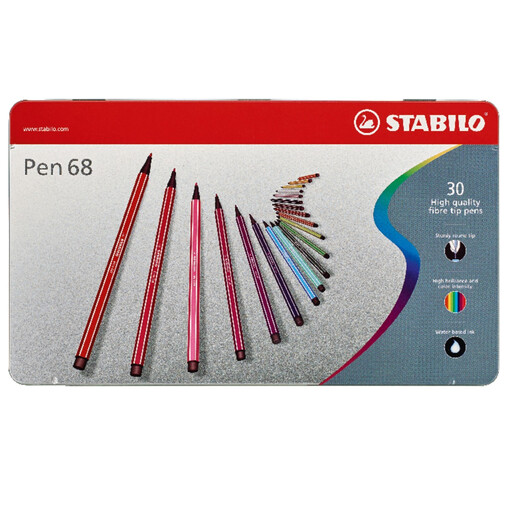
Why It Stands Out?: The STABILO Pen 68 has been a timeless classic since 1966. Its robust 1?mm bullet tip ensures a clean, intense line, ideal for colouring and solid fills. Its water-based ink can be used to create water-soluble effects, giving it incredible versatility. The metal tin has the dual advantage of being both elegant and highly practical for protecting and organising your markers.
Advantages?:
Who Is It For? This set is for artists and hobbyists looking for a reliable marker for drawing, illustration, and colouring. Its sturdiness makes it a dependable partner for heavy use.
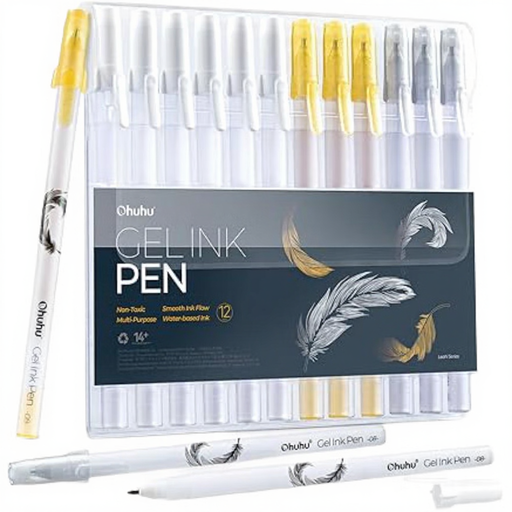
Why It Stands Out?: This set of gel pens is specially designed to shine on dark surfaces. The highly opaque pigmented ink delivers a metallic finish (gold, silver) and a pure white that create a striking contrast on black or kraft paper. The extra-fine 0.8?mm tip allows for high-precision work.
Advantages?:
Who Is It For? Perfect for illustrators, bullet journal (or bujo) enthusiasts, and creative card makers who want to add highlights and fine details to their work on coloured or black paper.
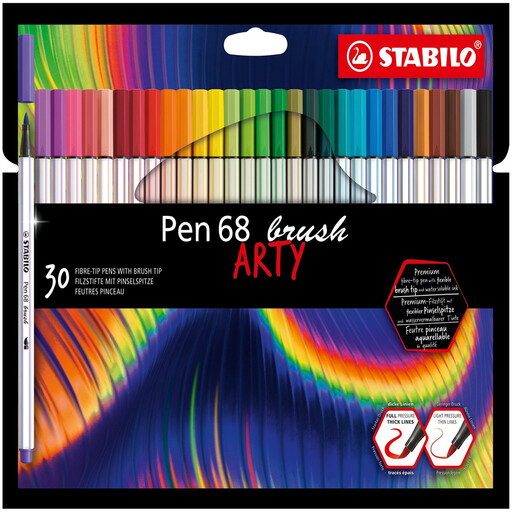
Why It Stands Out?: The Pen 68 Brush combines the intense colour of a classic marker with the flexibility of a brush. Its flexible brush tip is ideal for modulating line thickness, allowing you to switch from a fine line to a broad stroke with a simple change in pressure. It's the tool of choice for starting or perfecting your brush lettering.
Advantages?:
Who Is It For? This set is the ideal tool for calligraphy and lettering enthusiasts, as well as illustrators looking for an expressive marker to master upstrokes and downstrokes with fluidity.
The world of drawing doesn't stop at markers, of course. Every technique, from on-the-spot sketching to precision illustration, has its preferred instrument. If your creativity is leading you toward other horizons, like on-the-go drawing or architectural sketching, other pens might just catch your eye.
For fans of outdoor sketching, discover our selection of Ballpoint Pens for Urban Sketching.
Water-based markers, like water-soluble models, are odourless and their ink generally doesn't bleed through paper. They can be reactivated with water to create colour-blending effects. Alcohol-based markers, on the other hand, offer very vibrant colours and perfectly smooth blends, but they have a stronger odour and require specific paper (like layout or Bristol board) to prevent the ink from feathering or bleeding through.
Apply the marker's colour to your paper (preferably a textured or watercolour paper). Then, using a clean, slightly damp brush, go over the colour to dilute and spread it. This allows you to create beautiful gradients by mixing several colours or to achieve a transparent effect.
Absolutely! Brush pens are perfect for starting out in lettering. Their flexible tip helps you master the fundamental motion of the discipline: applying heavy pressure on downstrokes and light pressure on upstrokes. They are the ideal tool for making quick progress and achieving satisfying results right away.