
Livraison le jour même ou le lendemain

Qualité garantie

Débloquez vos offres de bienvenue: Livraison GRATUITE | Jusqu'à -80 % | 30 jours d'essai gratuits à JoyPlus
Téléchargez l'application
Buying drawing and colouring materials seems straightforward… until you start comparing sets, formats and colour promises. A very comprehensive assortment isn’t necessarily the best fit for your project, while a product marketed as versatile may require additional paper or accessories.
To avoid disappointing purchases, focus on the set’s composition, the format, the recommended age and the technique you have in mind. Here are the criteria to examine before choosing coloured pencils, watercolour pencils, soft pastels or a creative hobby kit.
A set of 72 pencils offers more shades than a box of 12, but it won’t replace specialised materials. Oil-based pencils, watercolour pencils and metallic pencils each have a different finish and behave differently on paper.
Before prioritising quantity, ask yourself what you plan to do:
The paper directly affects the final result. Highly pigmented pencils can seem disappointing on paper that’s too thin or too smooth. Alcohol markers, on the other hand, risk bleeding through ordinary paper.
For detailed illustrations, the CLAIREFONTAINE Manga Illustration Glue Block A4 250g offers an extra-smooth white Bristol paper of 250 g/m², acid-free and pH neutral. A protective sheet is also included to limit transfer when using alcohol markers. Still, test a page before starting a full board.
Broken leads, poorly sharpened pencils or pastels covered in dust quickly reduce comfort during use. A metal box effectively protects a small assortment in a bag, while a roll or case is more practical for carrying a large number of pencils.
Also check whether the set includes a sharpener, storage compartments and clear care instructions. Products containing small parts are not suitable for children under 3 years old.
Standard coloured pencils are suitable for colouring, sketching and gradients achieved through layering. Soft leads generally deposit colour more quickly, while a harder lead makes it easier to work on details and outlines.
Watercolour pencils can be used dry, then activated with a damp brush. The Faber-Castell Watercolor Colored Pencils set in a metal box contains 24 pencils with water-soluble pigments. However, make sure the pencils and brush are completely dry before storing them.
Polychromos pencils have an oil-based lead, according to the specifications provided for the relevant sets. They are designed for layering, blending and detail work. Their behaviour is therefore noticeably different from that of a watercolour pencil.
For a young child, a triangular shape and a thicker body can make gripping easier. The STABILO Trio Thick set, with its 4.2 mm leads and triangular bodies, is designed for colouring large areas and fitting small hands.
For toddlers, the Faber-Castell INPROB Grippy set includes six pencils with a 10 mm lead, a triangular body and a sharpener. The description also mentions a three-in-one use: coloured pencil, wax crayon and watercolour pencil. Even if the formula is described as easy to clean, it’s best to protect clothes and the table during the activity.
Check the recommended age, warnings and information provided by the manufacturer. For use at school or in after-school settings, ensure appropriate supervision, especially with sharpeners, paint pots and pastels.
Soft pastels produce a fine dust. The Faber-Castell Creative Studio set of 36 sticks should be stored flat and used in a well-ventilated area. Once your artwork is finished, you can apply a suitable fixative, following the precautions stated on its packaging.
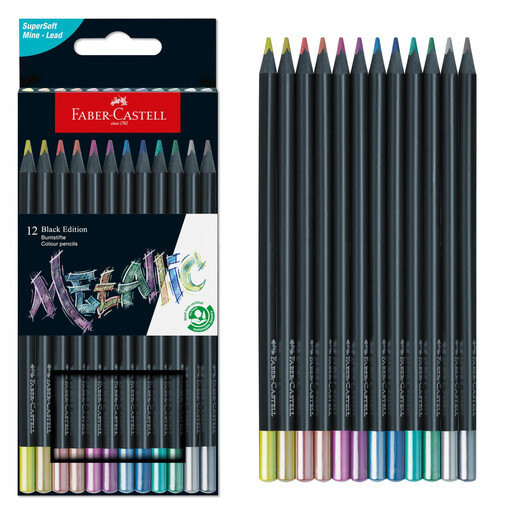
Why this choice fits this profile: This smaller assortment lets you discover metallic effects without investing in a large set straight away. The shades work well on light, coloured or dark paper.
The 12 shades are dedicated to a specific technique: you’re not paying for a multitude of colours that will sit unused at the bottom of a drawer. The foldable cardboard holder also makes storage easy.
Triangular body, Supersoft lead, 12 metallic shades and a bonding process described as break-resistant.
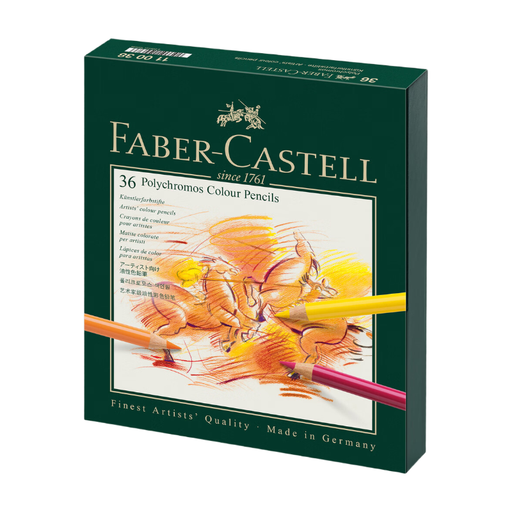
Why this choice fits this profile: This set of 36 pencils is aimed at detailed illustration, portraiture, landscape and layered work. The studio box is equally suited to organised use in a studio, as well as classes and travel.
The description clearly distinguishes the oil-based lead from watercolour models. You’re therefore choosing a tool suited to layering and blending, rather than a set marketed as universal.
36 colours, 3.8 mm leads, pigments described as acid-free and a well-organised storage case.
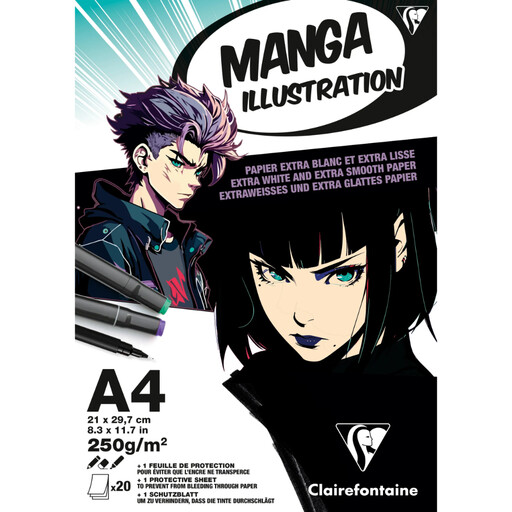
Why this choice fits this profile: Illustrators, art students and manga drawing enthusiasts need a stable surface for touch-ups and ink or marker techniques.
The 250 g/m² weight and protective sheet help prevent ink bleed-through. The erasure resistance also reduces surface wear.
A4 format, smooth Bristol surface, acid-free paper and compatibility described with pencils, pens, inks and markers.
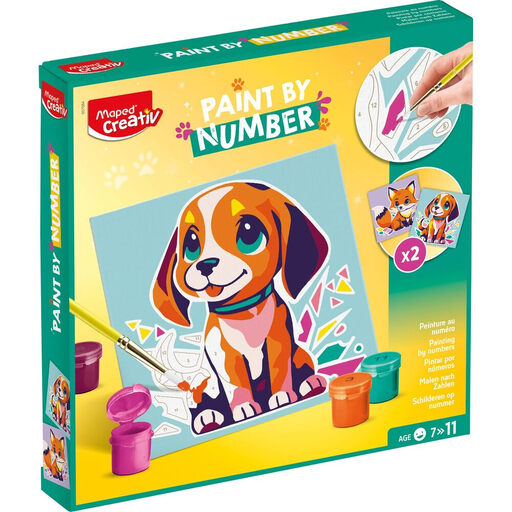
Why this choice fits this profile: This paint-by-numbers kit is aimed at children aged 7 and over, and families looking for a guided activity with a tangible result, without having to buy all the materials separately.
The contents are clearly detailed: two paints, two designs, a frame, a brush and 12 pots of paint. There’s no need to immediately supplement the kit with a long list of accessories.
Water-based acrylic paints, described as quick-drying, brush cleans with water and a structured numbered activity.
We’ve put together a comprehensive, real-time updated selection of products that meet these demanding criteria, as well as European safety standards.
For everyday use, plan for a sharpener suited to the lead diameter, a rigid pencil case and paper consistent with the technique you’re using. A set of coloured pencils with 24 to 36 pieces is usually enough to get started. A larger assortment will be most useful for working on complex gradients and multiplying shades.
Schools can opt for triangular bodies, thick leads and packaging that’s easy to distribute. For a one-off activity, Jar Melo scratch notes or a Crayola reusable colouring board reduce cleaning and are easy to carry. Always check for small parts, caps and age recommendations.
A set of 12 to 36 coloured pencils, a sharpener, an eraser and a suitable pad of paper make a good starting point. Add watercolour pencils if you want to try water effects, without investing in a full paint range straight away.
Coloured pencils are mainly used dry. Watercolour pencils contain water-soluble pigments: you can apply the colour dry first, then dilute it with a damp brush. The result will depend on the paper, the amount of water and the pressure applied.
Keep pencils in their box or roll, away from moisture and direct sunlight. Store soft pastels flat and close paint pots after each session. For children, keep sharpeners, broken leads and small accessories out of reach of children under 3 years old.