
Livraison le jour même ou le lendemain

Qualité garantie

Débloquez vos offres de bienvenue: Livraison GRATUITE | Jusqu'à -80 % | 30 jours d'essai gratuits à JoyPlus
Téléchargez l'application
A clogged drain is a household nightmare we could all do without. Water pooling in the sink, the shower turning into a footbath… When faced with an emergency, the first instinct is often to rush to the store for a chemical drain cleaner. But be careful—not all products are created equal, and the wrong choice can damage your pipes or simply prove ineffective. This guide will help you avoid the most common pitfalls and make a truly informed choice.
Among the most frequent mistakes:
We'll explore how to select the right product, whether it's a liquid drain cleaner like Destop or another solution, and give you the keys to effective drain maintenance so you're never caught off guard again.
To find the perfect product for unclogging a sink or shower, a few parameters need to be considered. Mastering them will prevent you from choosing a solution that solves one problem... by creating another.
The first step is to play detective and identify the cause of the blockage.
Before pouring the bottle down your pipes, a quick check is essential. Read the label carefully: is the product compatible with your pipes (PVC, metal, etc.) and your septic system? Using an incompatible product risks damaging seals or corroding pipes. Major brands like Destop clearly state their compatibility, but caution is still advised, especially with older or fragile plumbing.
Chemical drain cleaners, even the most common ones, are not harmless products. They are powerful and require precautions. A powerful drain cleaner contains corrosive chemical agents. It is imperative to:
Instead of a random list of products, here are concrete solutions for specific problems. The goal: to help you find the right answer for your situation.
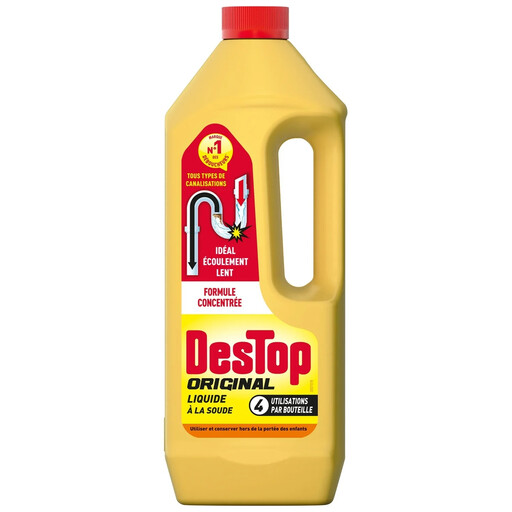
Why this choice? It's the go-to solution for everyday clogs in the sink or shower. Its formula is designed to act fast on organic materials (grease, hair), making it a reliable ally for a quick, targeted intervention.
It addresses the risk of choosing the "wrong product" by targeting the most frequent clogs (hair, grease) and clearly stating its compatibility with all types of pipes. It's hard to go wrong.
Its liquid formula, based on caustic soda, is designed to effortlessly dissolve the organic matter clogging your drains.
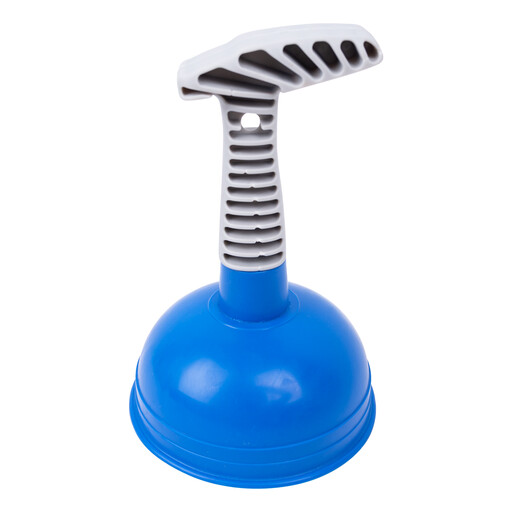
Why this choice? For those who prefer a mechanical solution or for minor clogs that don't warrant a chemical intervention. Perfect for sinks and showers, it's infinitely reusable and completely safe for your pipes.
The plunger eliminates any risk of chemical damage, especially on fragile pipes. Its action is 100% mechanical and poses no danger to your plumbing or septic system.
Its flexible 12 cm TPR head ensures powerful suction to dislodge clogs with simple pressure. Compact, it stores easily and is effortless to use even in tight spaces.
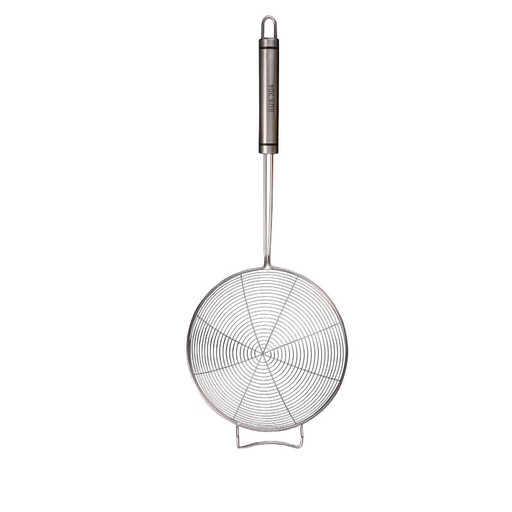
Why this choice? Because the best way to deal with a clog is to prevent it from forming in the first place. This strainer sits over the sink or shower drain, catching hair and food debris before they can enter the pipe.
It tackles the root cause of the problem, breaking you out of the vicious cycle of recurring clogs. By blocking debris upstream, it drastically reduces the need for chemical drain cleaners.
Made of 304 stainless steel, it's durable, rust-proof, and cleans in a flash. A small investment for major peace of mind.
Discover our complete selection of products that meet our selection criteria and current safety standards.
1. How long should you let a drain cleaner like Destop work? The contact time depends on the product and the severity of the clog. For a standard liquid drain cleaner, allow about 30 minutes for a typical clog. For stubborn obstructions, you may need to let it work for several hours, or even overnight. The key takeaway: always read the instructions on the packaging.
2. Can a chemical drain cleaner damage my PVC pipes? Most modern drain cleaners, including those from the Destop brand, are formulated to be safe for PVC pipes and septic systems, provided you follow the instructions to the letter. The real danger comes from overuse, mixing products, or using them on very old and already fragile plumbing.
3. Can you use a liquid drain cleaner in the toilet? There are specific drain cleaners for toilets, as the clogs there are often different (paper buildup, etc.). Classic liquid drain cleaners are primarily designed for sinks, basins, and showers. Once again, always check the label to see if the product is compatible with toilet use to avoid any nasty surprises.