
Livraison le jour même ou le lendemain

Qualité garantie

Débloquez vos offres de bienvenue: Livraison GRATUITE | Jusqu'à -80 % | 30 jours d'essai gratuits à JoyPlus
Téléchargez l'application
Double-walled glass has become a staple in our kitchens and offices. It elevates a latte, keeps tea at the perfect temperature without burning your fingers, and prevents condensation rings on your furniture. However, the experience can quickly turn sour. A glass that cracks at the slightest impact, or fog that seeps between the walls after a run through the dishwasher... These unfortunately common issues can quickly turn a delightful purchase into a real headache.
Before falling for a sleek design, it's wise to know the common pitfalls to avoid. Understanding just a few technical details is often all it takes to make an informed choice and invest in a set of glasses you won't regret.
While design is often what first catches our eye, durability and practicality are hidden in the details. Here are the points to inspect closely to avoid disappointment.
Not all glass is created equal. A standard glass, even a thick one, will struggle with sudden temperature changes, like pouring a hot espresso into a cold glass. The risk? A crack, or even a complete break. This is where borosilicate glass comes in. It's not an option; it's a prerequisite. Lighter yet far more resistant to thermal shock, this material is the standard for any double-walled cup worth its salt.
Underneath every double-walled glass, there's a small plug, often made of silicone. This is the seal that closes the hole used to extract the air to create the insulating layer. If this seal isn't perfectly watertight, water or steam will seep between the walls during washing, ruining both the visual effect and the thermal insulation. A faulty seal is the Achilles' heel of entry-level models.
A beautiful coffee glass that's too tall for your espresso machine or too wide to hold comfortably will end up at the back of a cupboard. So, think about your daily use:
To help you see things more clearly, here are a few models that tick all the boxes, designed for different user profiles.
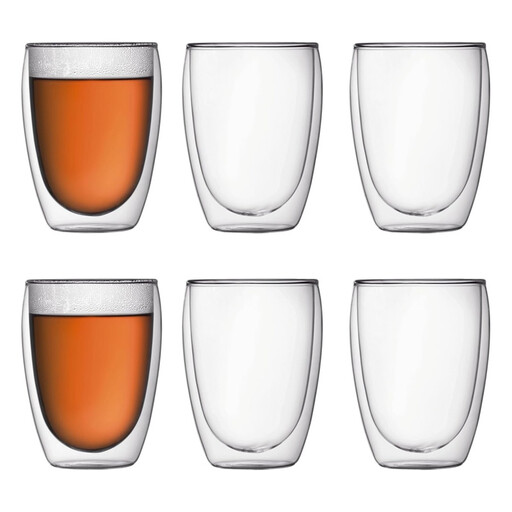
Why we chose it: Ideal for those who love to prepare and admire lattes, iced coffees, or smoothies. Its tall, transparent shape is designed to showcase the different layers of the drink.
Made from borosilicate glass, it easily handles the heat of a freshly brewed espresso. Its slender shape remains practical and fits under most home coffee machines.
Its generous 350 ml capacity is perfect for large drinks. Sold as a set of 2 glasses, it's a practical choice for daily use.
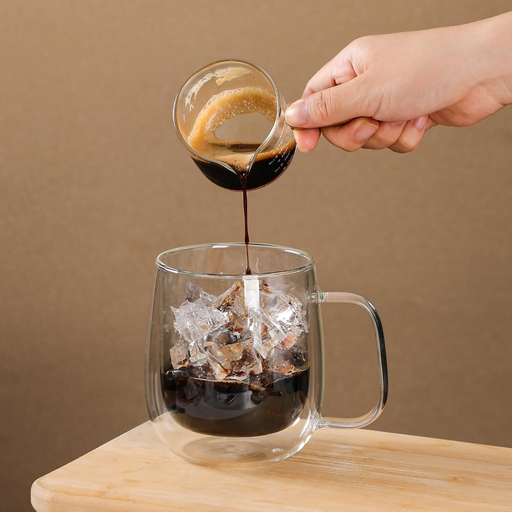
Why we chose it: For those who prefer a secure and familiar grip, this model with a handle combines the benefits of a classic insulated mug with the elegance of transparent glass.
The integrated handle addresses the main complaint about handleless glasses: a grip that can be slippery or awkward, especially with a very hot drink.
The ergonomic handle ensures optimal comfort. This model is also dishwasher-safe for easy cleaning.
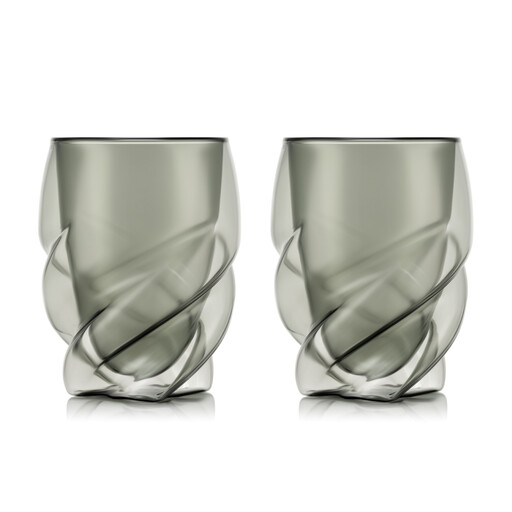
Why we chose it: Bodum is a benchmark brand for its Scandinavian design. This model combines a modern aesthetic, with its subtle grey tint, and the brand's renowned manufacturing quality.
Bodum's reputation speaks for itself. The use of quality materials, like mouth-blown borosilicate glass, is a guarantee of durability that sets it apart from more fragile imitations.
The iconic design and coloured finish add a touch of originality. The 270 ml capacity is versatile, suitable for both a hot drink and a cocktail.
We have curated a complete selection of products that meet these same standards of quality and durability.
It depends on the model. Most high-quality borosilicate glasses are microwave-safe. However, it is essential to check the manufacturer's instructions. Some models, especially those with metallic details or specific seals, are not.
Its longevity depends on how it's cared for. A good quality cup can last for many years. The main causes of failure are a broken seal or physical impact. To maximise its lifespan, avoid extreme thermal shocks (like filling it with ice right after it held a boiling liquid) and, if washing by hand, do not use abrasive sponges.
This small dot is a silicone plug (sometimes a hydrophobic valve) that seals the blowhole, which is essential for manufacturing. This is where the air is removed to create the insulating vacuum between the two walls. It is also the glass's Achilles' heel: a poor-quality seal will allow water to seep in during washing, ruining the insulation and aesthetics.