
Livraison le jour même ou le lendemain

Qualité garantie

Débloquez vos offres de bienvenue: Livraison GRATUITE | Jusqu'à -80 % | 30 jours d'essai gratuits à JoyPlus
Téléchargez l'application
A steaming coffee that seems to levitate, an iced tea that stays cool without a single drop of condensation on the table… The double-walled glass has become an essential, as stylish as it is practical. But be warned: behind its minimalist appearance lie pitfalls that can quickly turn a great purchase into a disappointment. To avoid any nasty surprises, here are the key points that distinguish a quality model from a flimsy gadget.
We've all been tempted by an attractive offer, only to end up with glasses that crack at the first touch of boiling water or, worse, trap water between the two walls after a few dishwasher cycles. These are deal-breaking flaws, often invisible at the time of purchase. This guide is designed to arm you against these setbacks and help you identify the criteria that truly matter.
To ensure you don't regret your purchase, look beyond the design. The longevity and user comfort of your future double-walled cup depend on three crucial technical criteria.
The choice of glass is paramount. Most quality models are made from borosilicate glass. Unlike standard soda-lime glass, this material is renowned for its excellent resistance to thermal shock.
The choice between a simple glass and a double-walled mug with a handle depends entirely on your use and preferences.
Capacity is a practical criterion that should not be underestimated. A glass that's the wrong size for your favourite drink will inevitably end up at the back of the cupboard.
To move from theory to practice, here are a few models that perfectly illustrate these criteria and meet specific needs, all while avoiding the common pitfalls.
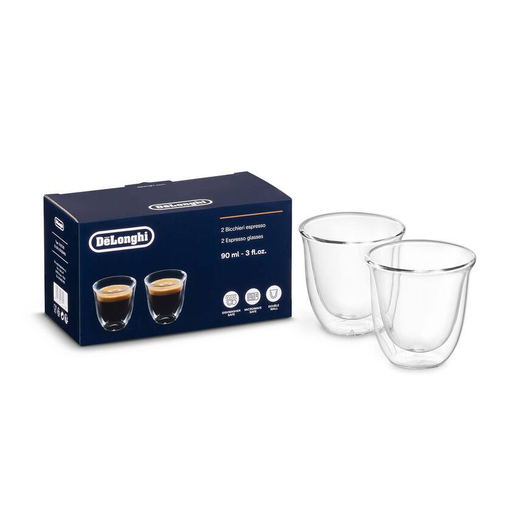
Why we chose it: For those who take their espresso ritual seriously, this set offers the perfect 90 ml capacity and the backing of a renowned brand in the coffee world.
Made from hand-blown borosilicate glass, it's designed to withstand the thermal shock of a freshly brewed espresso, reducing the risk of premature cracking.
Its design is specifically tailored for espresso, preserving the heat and crema of your coffee. Bonus: it's dishwasher-safe for easy maintenance.
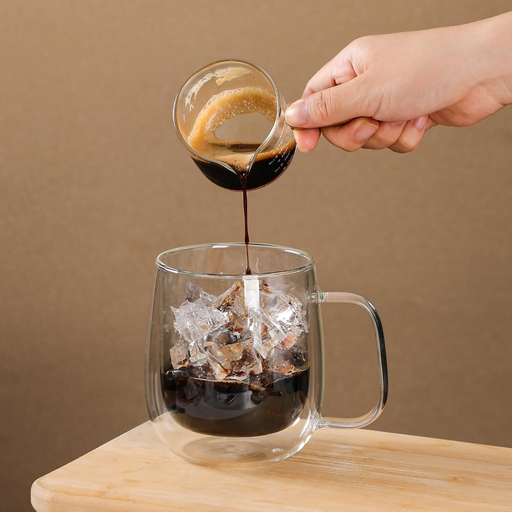
Why we chose it: Ideal for your morning coffee or afternoon tea. The 350 ml capacity is generous, and the handle offers optimal comfort for daily use.
Its integrated handle solves the ergonomics issue. It ensures a stable and secure grip, even with a scalding hot drink, eliminating any risk of burns or drops.
This set of two offers excellent value for money for daily use. With their classic shape, they fit easily into any kitchen.
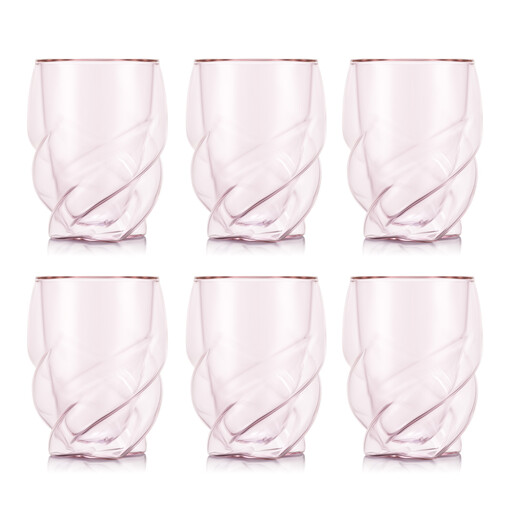
Why we chose it: For those who love to entertain, this set of six glasses brings a touch of colour and elegance to the table. The 270 ml capacity is versatile for serving coffees, teas, or cocktails.
This choice relies on the reputation of Bodum, a benchmark brand. The use of mouth-blown borosilicate glass ensures a high standard of quality, limiting typical manufacturing defects.
The colourful design and set-of-six format make it an ideal choice for setting a modern and harmonious table when you have guests.
Discover our full selection of products that meet our quality criteria and current safety standards.
Yes, most quality borosilicate glass models are dishwasher-safe. However, to preserve their transparency and the lifespan of the small silicone seal, manufacturers often recommend hand washing. An overly aggressive or high-temperature wash cycle can damage this seal and allow water to seep between the walls.
This small dot is actually a hydrophobic silicone plug that seals the blowing hole, a remnant of the manufacturing process. Its role is to equalise the air pressure between the two walls while preventing water from getting in. It is a completely normal sign of manufacturing. Above all, do not try to pierce or remove it: you would compromise the insulation and seal of your glass.
It all depends on its manufacturing quality and how you care for it. A good, well-maintained borosilicate glass model can last for years. Its main enemies are physical shocks (drops, obviously) and extreme thermal shocks (like pouring boiling water into a glass straight from the freezer). A word of advice: inspect them from time to time to check for any micro-cracks.