
Livraison le jour même ou le lendemain

Qualité garantie

Débloquez vos offres de bienvenue: Livraison GRATUITE | Jusqu'à -80 % | 30 jours d'essai gratuits à JoyPlus
Téléchargez l'application
The double-walled glass has become a staple in our kitchens and coffee shops. With its beverage appearing to float weightlessly, the promise is appealing: coffee that stays hot longer, juice that stays cool, all without the annoying condensation beading on the outer wall. However, this beautiful promise can quickly turn sour, transforming a delightful purchase into a disappointment.
Who hasn't cursed at their double-walled mug suddenly filling with condensation after a few washes, or cracking from a liquid that was a bit too hot? Rest assured, this isn't inevitable. The problem often stems from a lack of information about what separates a quality glass from a low-end gadget. Before you buy, let's review the key points to make an informed and, most importantly, lasting choice.
To avoid buyer's remorse, there are a few technical details to watch out for. These details, often missing from marketing descriptions, make all the difference in practice.
The vast majority of double-walled glasses worthy of the name are made from borosilicate glass. Unlike traditional soda-lime glass, this material offers two major advantages:
Some models, often the most high-end, are the result of a mouth-blown glass process. This artisanal manufacturing can explain slight variations from one glass to another—a mark of authenticity rather than a flaw.
The effectiveness of an insulated glass relies on the insulating layer of air trapped between the two walls. This is what keeps you from burning your fingers while preventing condensation from forming on the outside, hence the term anti-condensation glass.
However, this ingenious design has an Achilles' heel: the sealing point, usually a small silicone plug or a discreet weld under the base. This is the weak spot of many low-end models. If this seal is not perfectly watertight, water will seep in during washing (especially in the dishwasher), creating permanent condensation between the walls and rendering the glass useless. Researching the manufacturer's reputation and the reliability of this seal is therefore a crucial step.
Capacity is, of course, a basic criterion. A coffee glass for an espresso won't exceed 80 to 100?ml, while a glass for a latte macchiato or an iced tea can reach 450?ml. Think about its primary use.
The shape also matters. Handleless models, like the famous Bodum Pavina, offer a minimalist design and a very cohesive designer glass set. Mugs with handles, on the other hand, provide a more secure grip, especially for large capacities and very hot drinks.
To guide you, we have selected models that check all the quality boxes, matching them with typical user profiles.
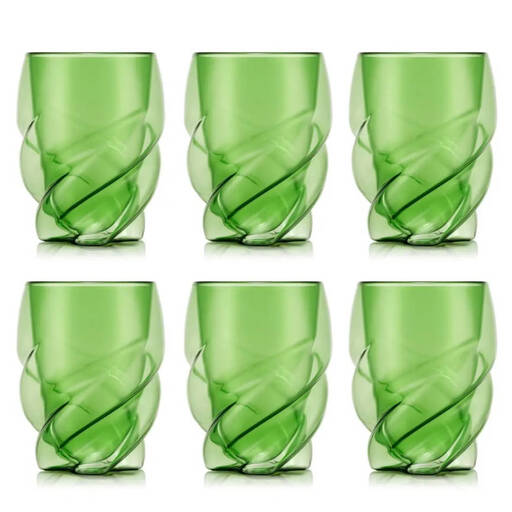
Who is it for? For those who want a complete and stylish set without a single misstep. This set of six glasses allows you to entertain with elegance, while the touch of green adds a discreet, modern note to the table.
By choosing a renowned brand and mouth-blown borosilicate glass, you drastically minimise the risk of sealing defects. Just follow the care instructions.
A complete and aesthetic set with a versatile 270 ml capacity, perfect for everyday coffees, teas, and cold drinks.
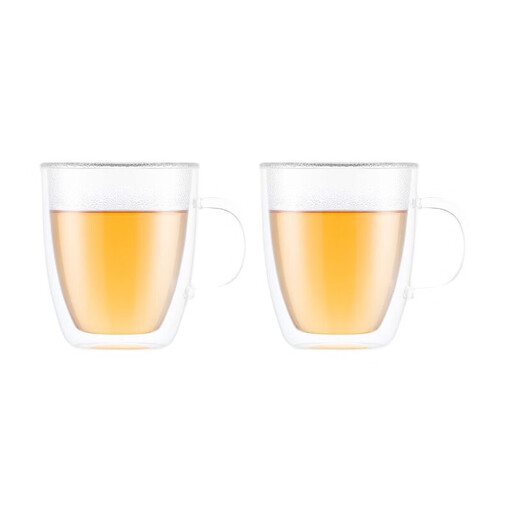
Who is it for? For lovers of large lattes, generous hot chocolates, or XXL iced teas, the 450 ml capacity is ideal. The integrated handle offers a comfortable and secure grip, even when the mug is full.
The sturdy handle ensures a secure grip, preventing disasters with such a large mug. The borosilicate glass easily handles the heat from a large volume of liquid.
Large 450 ml capacity and an ergonomic handle for maximum comfort. Its versatility is enhanced by its microwave-safe compatibility, per the manufacturer's instructions.
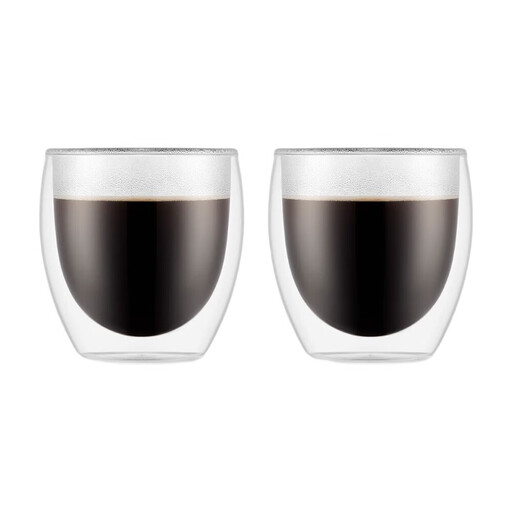
Who is it for? This duo is perfect for discovering the benefits of double-walled glass without investing in a full set. The 250 ml capacity is ultra-versatile, suitable for everything from a long coffee to a fruit juice.
By opting for a timeless classic from a brand like Bodum, you ensure a reliable and proven design. It's the best guarantee against the defects typical of no-name models.
A highly versatile 250 ml size and a set of two, ideal for personal use or for a couple. The timeless design easily integrates with any existing tableware.
For those who appreciate items with a strong personality, discover our selection of original designs that make no compromises on quality.
Are double-walled glasses dishwasher-safe? In theory, yes. Most brands allow it. In practice, to ensure the maximum lifespan of the watertight seal and preserve the glass's transparency, hand washing remains the best option. The powerful jets and aggressive detergents of a dishwasher are the sworn enemies of the small silicone plug.
Why is there condensation between the two walls of my glass? This is the unmistakable sign that the seal is no longer watertight. Water has seeped in during a wash, and unfortunately, it's impossible to get it out. The glass is ready for the recycling bin. This is a symptom of a manufacturing defect or premature wear.
What is the difference between borosilicate glass and regular glass? It's all in the chemistry. Borosilicate glass incorporates boron trioxide into its composition. The result? It offers resistance to thermal shock (sudden temperature changes) and mechanical strength far superior to that of ordinary (soda-lime) glass. As a bonus, it's also lighter and more transparent.