
Livraison le jour même ou le lendemain

Qualité garantie

Débloquez vos offres de bienvenue: Livraison GRATUITE | Jusqu'à -80 % | 30 jours d'essai gratuits à JoyPlus
Téléchargez l'application
The double-walled glass has taken our kitchens by storm, and for good reason: it's as stylish as it is clever. Who doesn't love seeing their coffee float as if by magic, all while keeping the drink hot for longer without burning their fingers? But with an overwhelming number of options, it's easy to fall into a trap. A tempting design often hides disappointing fragility or defects that will have it ready for the bin after just a few weeks.
As the Head of Product Recommendations at Joybuy, my mission is to help you see things more clearly. Let's cut through the marketing jargon and focus on the facts. Here are the keys to avoiding disappointment and choosing a double-walled cup that truly combines style and durability.
Before you fall for a pretty design, keep in mind the recurring problems that plague many models on the market.
To make the right choice, focus on three technical points that make all the difference.
Far from being just a marketing buzzword, borosilicate glass is a non-negotiable feature. Compared to ordinary (soda-lime) glass, it offers two key advantages:
Any product that doesn't clearly state it's made of borosilicate glass should immediately raise a red flag.
An insulated glass is not a one-size-fits-all solution. The capacity should be suited to your favourite drink for the perfect experience.
Consider your primary use to choose the most suitable format.
The choice between a glass coffee cup with or without a handle is a matter of taste, but here are a few points to help you decide:
Here are a few models that cater to specific needs, all selected according to the quality and practicality criteria we've just covered.
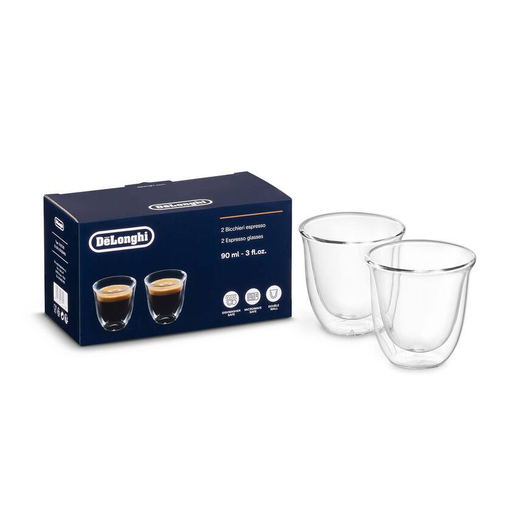
Why we chose it : For those who are serious about their espresso ritual, size and heat retention are crucial. This set is tailor-made for that purpose.
Made from mouth-blown borosilicate glass by a coffee expert brand, it's designed to handle the thermal shock from an espresso machine.
Its 90 ml capacity is perfectly calibrated for a single or double espresso, preserving the *crema* and temperature far better than a classic ceramic cup.
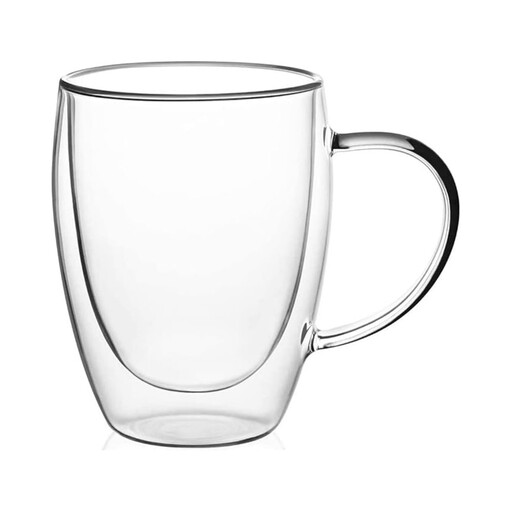
Why we chose it : This is the perfect companion for your morning coffee or afternoon tea. Its handled design combines the security of a classic mug with the elegance of transparent glass.
The integrated handle solves the issue of discomfort. It ensures a stable and secure grip, even when the mug is filled with a piping hot drink.
Its versatile 350 ml capacity is suitable for a multitude of drinks, from filter coffee to cappuccino, hot chocolate, or even iced tea.
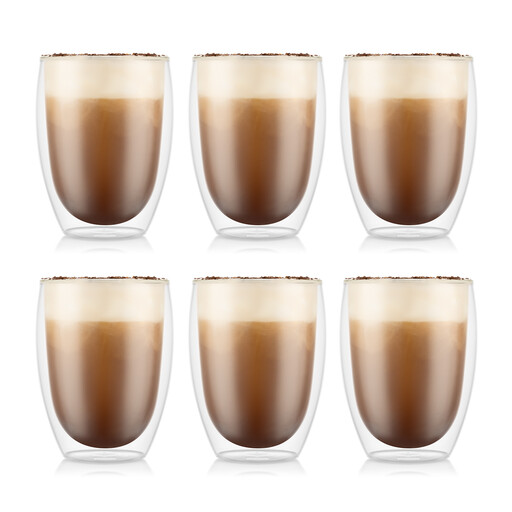
Why we chose it : For those who love to entertain, this set of coffee glasses is a complete and harmonious solution. Bodum's iconic design is a sure bet for impressing your guests.
Bodum incorporates a hydrophobic silicone vent that equalises the air pressure between the two walls, drastically reducing the risk of water infiltration and condensation.
The minimalist, handleless design is ultra-versatile: it works just as well as a tea glass as it does for a fresh fruit juice or even a cocktail, making coasters unnecessary.
We have put together a complete selection of products that meet our strict selection criteria and current safety standards.
Most quality borosilicate glasses are indeed dishwasher-safe. However, to preserve their clarity and the integrity of the seal in the long run, hand washing with a non-abrasive sponge is still the best option and is often recommended by manufacturers. Avoid intensive, high-temperature cycles and make sure the glasses don't knock against each other.
It all depends on the manufacturing quality and how you care for it. A well-made borosilicate glass, handled with care, can last for many years. The most common weak point remains the loss of its seal (water infiltration) due to a damaged seal or a micro-crack. To maximise its lifespan, avoid knocks and sudden, drastic temperature changes.
That small silicone plug is actually a hydrophobic vent, which is essential to the manufacturing process. During the glass-blowing process, it allows the air pressure between the two walls to equalise. It's designed to let air pass through, but not water, which prevents the glass from shattering under pressure and limits the formation of internal condensation. Therefore, you should never try to remove it.