
Livraison le jour même ou le lendemain

Qualité garantie

Débloquez vos offres de bienvenue: Livraison GRATUITE | Jusqu'à -80 % | 30 jours d'essai gratuits à JoyPlus
Téléchargez l'application
Coffee that stays hot longer, iced tea that doesn't leave condensation rings on your table, all in a glass vessel that makes your drink appear to levitate. Double-walled glass has become a staple in our kitchens, prized for both its design and its practical benefits. However, behind the promise, disappointment often lurks.
As the Head of Product Recommendations at Joybuy, my mission is to help you make an informed decision. Too many buyers end up with glasses that are fogged up from the inside, crack without warning, or have a disappointing capacity. Let's break down the common pitfalls to avoid so you can make a truly smart choice.
To avoid these pitfalls, check a few key points that separate a well-designed product from a short-lived gadget.
Nearly all double-walled glasses are made from borosilicate glass. And this isn't just a marketing buzzword. It offers far superior resistance to thermal shock compared to traditional glass. In practical terms, you can pour boiling liquid into it without fear of it cracking. It's also lighter, which adds to the comfort of use, especially for a large-capacity glass mug.
The small silicone dot on the bottom of the glass isn't a manufacturing defect. It's a hydrophobic valve that equalises the air pressure trapped between the two walls as the glass heats up or cools down. This is the most critical element for the durability of your insulated glass. Models from reputable brands are generally equipped with more reliable valves. Even if a product is advertised as dishwasher-safe, hand washing is still the best precaution to extend its lifespan.
It all depends on your use case.
Rather than an exhaustive list, here is a selection of models that cater to specific uses while meeting the quality criteria we've just discussed.
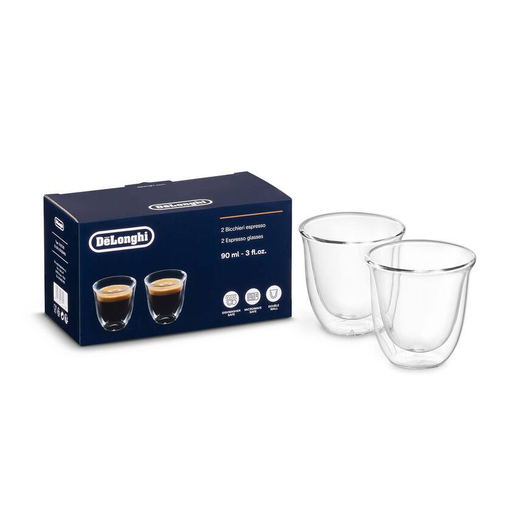
Why this pick? Perfectly sized for an espresso, this cup's sleek design showcases the drink without affecting its temperature. A choice that blends aesthetics and function for the perfect coffee ritual.
Designed by a coffee specialist brand, its structure is optimised for the thermal shocks from an espresso machine. The manufacturing quality greatly reduces the risk of water infiltration.
Ideal 90 ml capacity for espresso and ristretto. Made from mouth-blown borosilicate glass.
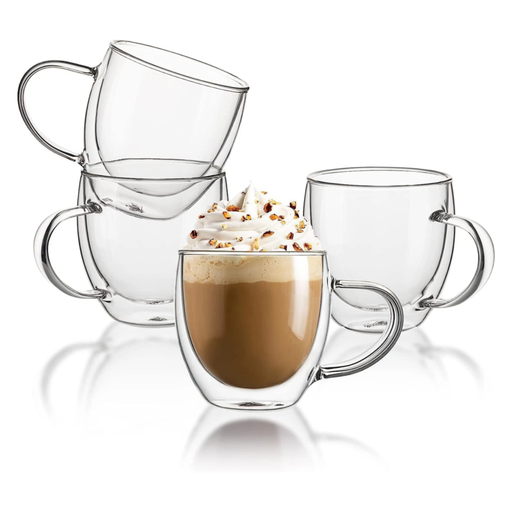
Why this pick? With its practical handle and 250 ml capacity, this mug is the ideal companion from breakfast to afternoon tea. It combines comfort and safety for everyday use.
The handle protects your fingers from heat and reduces the risk of drops. Its simple, sturdy design is made for frequent use and easy cleaning, while also being dishwasher-safe.
Ergonomic handle for a secure grip. Versatile capacity for coffee, tea, or cappuccino.
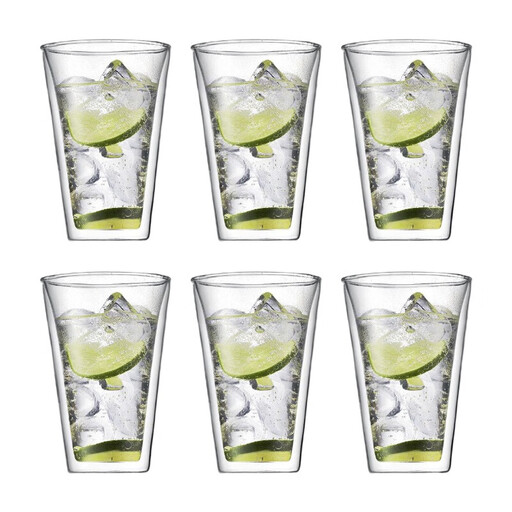
Why this pick? This set of six 400 ml glasses is perfect for serving latte macchiatos, iced teas, smoothies, or even layered desserts. Their large size and modern design are perfect for hosting guests.
The silicone valve, a Bodum innovation, balances pressure and enhances the glass's durability. The 400 ml capacity is clearly stated, preventing any unpleasant surprises.
Large 400 ml capacity and a set of 6. Patented pressure valve for increased longevity.
Discover our complete, up-to-date selection of products that meet our quality criteria and safety standards.
Many models are advertised as dishwasher-safe, but the risk of water seeping in through the silicone valve remains the main cause of failure. To preserve their clarity and seal over the long term, hand washing with a soft sponge is the best solution.
It's usually the result of thermal shock. While borosilicate glass is more resistant to it than standard glass, it has its limits. Avoid pouring boiling liquid into a glass straight from the refrigerator, or placing a very hot glass on a cold, wet surface like a marble countertop. Getting into the habit of visually inspecting the glass for any micro-cracks before each use is also a good practice.
The term thermal glass is a general category for any container designed for thermal insulation. A double-walled glass is a specific type of thermal container that uses a layer of air (or a vacuum) between two glass walls to provide this insulation. Other insulated containers, like flasks or travel mugs, are often made of stainless steel.