
Livraison le jour même ou le lendemain

Qualité garantie

Débloquez vos offres de bienvenue: Livraison GRATUITE | Jusqu'à -80 % | 30 jours d'essai gratuits à JoyPlus
Téléchargez l'application
In the kitchen, everything starts long before the cooking: on the cutting board. Yet, this deceptively simple tool can be a real headache, especially when it comes to hygiene. The fear of cross-contamination between raw meat and vegetables is very real. Fortunately, a simple solution exists: the double-sided cutting board. But be warned, not all are created equal. To avoid buyer's remorse, here are the pitfalls to avoid.
The market is flooded with models, but behind the marketing promises sometimes lie flaws that only reveal themselves with use. Here are the essential points to watch out for.
To make the right choice, focus on the features that will truly make a difference in your daily routine.
The choice of material is absolutely crucial. A reversible cutting board intelligently combines two surfaces for maximum versatility.
A well-designed meat and vegetable cutting board incorporates details that will simplify your life.
Rather than a simple product list, we have identified solutions that meet clear user profiles, based on our criteria of functionality and durability.
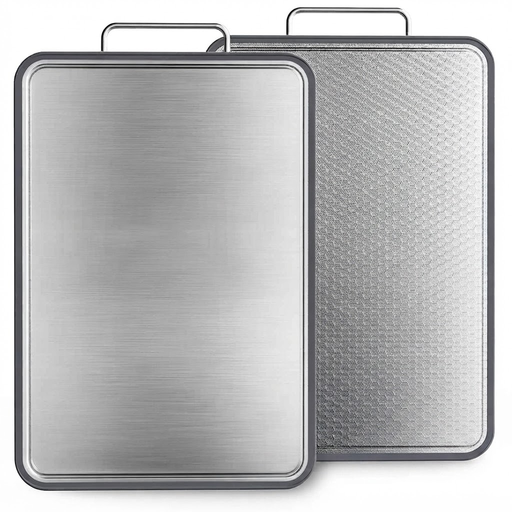
Why it stands out: For those who make no compromises on cleanliness, especially with meat and fish, this all-stainless steel model is the obvious choice. Its non-porous surface is its best feature for a hygienic cutting board.
The stainless steel resists deep cuts and will not warp in the wash. It eliminates the risk of bacterial growth, so common on damaged plastic.
Its robustness and non-porous surface guarantee quick and easy cleaning. The bilateral juice groove keeps the countertop spotless.
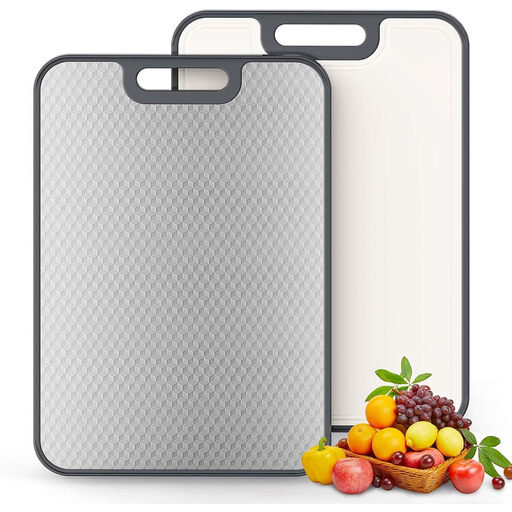
Why it stands out: This reversible model combines the best of both worlds. One stainless steel cutting board side for meat, and a wheat straw/PP side for vegetables, which is gentler on knife blades. It's the ultimate all-in-one solution.
It solves the single-material dilemma by offering a dedicated surface for each use. Its robust design and dishwasher compatibility prevent any risk of warping.
Unbeatable versatility thanks to its two dedicated surfaces. Easy to clean and designed for heavy use.
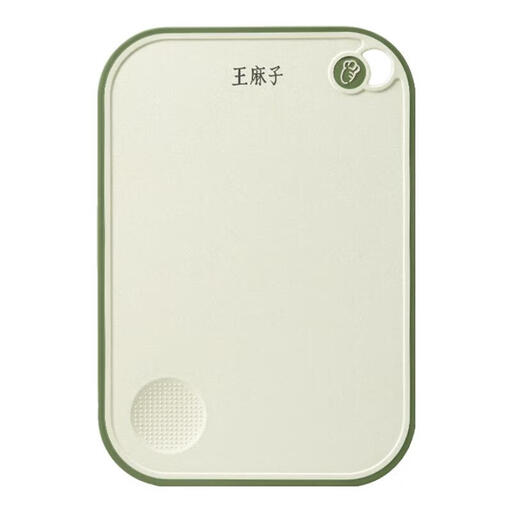
Why it stands out: To get equipped without breaking the bank, this double-sided wheat straw model is an excellent starting point. It allows you to adopt good hygiene habits without a hefty investment.
Its wheat straw composite material, denser than entry-level plastic, is more resistant to cuts. Lightweight and simple, it cleans up in a flash.
A very compelling value for money. A healthy, lightweight material that's easy to handle every day.
Discover our full selection of products that meet our quality criteria and current safety standards.
It's a valid concern. Stainless steel is indeed harder than wood or plastic, which can dull a knife's edge slightly faster. However, the impact is limited. For everyday use, regular maintenance of your blades with a honing steel or sharpener is more than enough. For many, the hygiene and durability benefits of stainless steel far outweigh this minor drawback, especially for cutting meat.
It all depends on the material. For a dishwasher-safe cutting board, a high-temperature cycle is ideal. By hand, use hot, soapy water, scrubbing well into any cuts with a brush. The trick: always let it dry vertically so air can circulate on both sides and prevent it from warping. For stainless steel models, a simple wipe-down is enough. In any case, never let a board soak, as this risks causing it to deform.
The ideal size depends on your countertop space and your cooking habits. A large cutting board (around 40x30 cm or 16x12 inches) is very comfortable for chopping large vegetables or juggling multiple ingredients. A smaller board (around 30x20 cm or 12x8 inches) is perfect for quick, small jobs (a lemon, an onion...). If you have the space, having two different sizes is ideal. Finally, consider the size of your sink: a board that's too big is a chore to clean.