
Livraison le jour même ou le lendemain

Qualité garantie

Débloquez vos offres de bienvenue: Livraison GRATUITE | Jusqu'à -80 % | 30 jours d'essai gratuits à JoyPlus
Téléchargez l'application
In the kitchen, efficiency and hygiene are not optional—they are essential. For home cooks and families alike, finding utensils that combine durability, convenience, and great value can be a real challenge. The reversible cutting board stands out as a clever solution to save space and, more importantly, ensure better food safety by separating different types of food during prep.
With so many options on the market, it can be hard to know where to start. As a Product Recommendation Manager at Joybuy, my role is to provide clear, objective guidance to help you make an informed choice, cutting through misleading marketing claims.
Before you browse our top picks, here are a few key points to guide your decision, tailored for quality-conscious consumers.
The choice of material is crucial. A hygienic cutting board must be made from food-grade, non-porous, and durable materials.
The main advantage of a double-sided cutting board is its ability to prevent cross-contamination. It is recommended to use one side for raw foods (meat, fish) and the other for ready-to-eat foods (vegetables, fruits, bread). A good design often includes:
Ease of cleaning is a critical factor. A dishwasher-safe cutting board ensures a deep clean and effective high-temperature sanitisation, which is especially important after handling raw meat. Always check the manufacturer's instructions, as some materials, like untreated wood, cannot withstand this type of washing.
Here are a few options that meet the standards of convenience and hygiene sought by many home cooks.
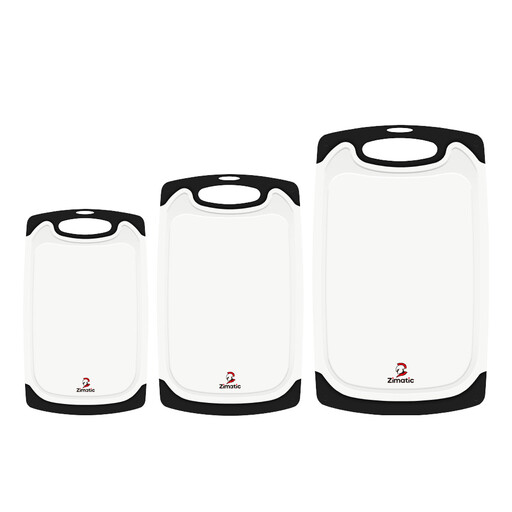
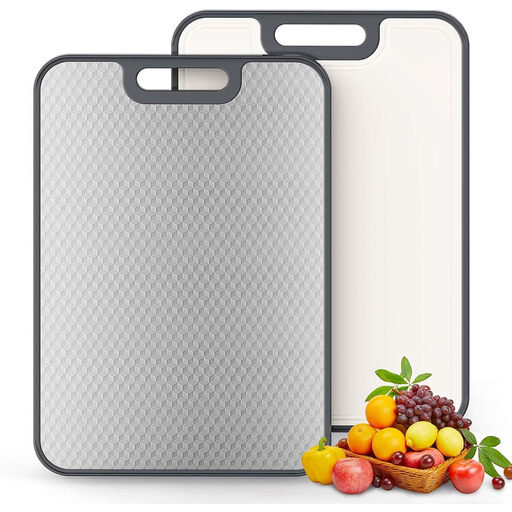
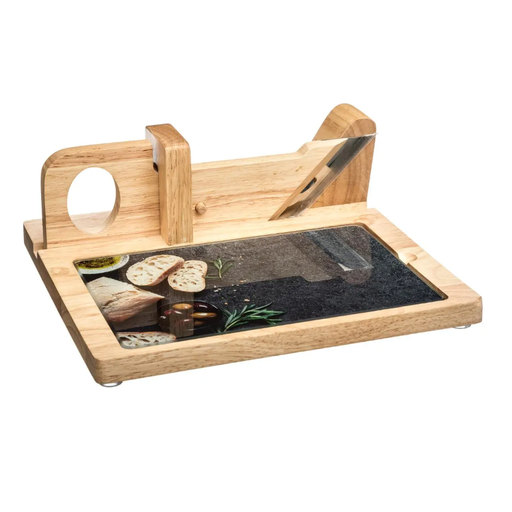
A manual cutting board is a kitchen staple. However, for large-batch preparations or tasks requiring a motorised cutter, other equipment may be more suitable. If you regularly process large volumes of vegetables or meat, it may be wise to explore complementary solutions.
To discover appliances designed for more intensive cutting tasks, you can browse our selection of Cutting Machines.
1. How do I clean and maintain a reversible cutting board? For compatible plastic or stainless steel models, the dishwasher is the easiest and most hygienic method. For manual cleaning, use hot, soapy water, paying close attention to any knife marks. To disinfect, you can use white vinegar. Always air-dry your board completely before storing it to prevent bacterial growth.
2. What is the best material for a double-sided cutting board? There is no single material that is superior in every way; the choice depends on your needs. A combination, like a stainless steel and plastic cutting board, is often an excellent option. Stainless steel is ideal for meat due to its non-porous nature, while plastic or wheat straw composites are gentler on your knife edges and well-suited for vegetables.
3. Why is it so important to use one side for meat and the other for vegetables? This is a fundamental hygiene rule to prevent cross-contamination. Raw meats, especially poultry, can carry bacteria (like Salmonella or Campylobacter) that are destroyed during cooking. If you use the same unwashed cutting surface to then chop a salad or vegetables that will be eaten raw, these bacteria can be transferred and cause food poisoning. A double-sided cutting board makes it easy to follow this best practice.