
Livraison le jour même ou le lendemain

Qualité garantie

Débloquez vos offres de bienvenue: Livraison GRATUITE | Jusqu'à -80 % | 30 jours d'essai gratuits à JoyPlus
Téléchargez l'application
That little draught of icy air seeping through the window, the front door that turns your hallway into a refrigerator… These daily annoyances take a heavy toll on your comfort, and an even heavier one on your wallet. Yet, proper door and window insulation is a simple and cost-effective solution. But with an overwhelming number of options, how do you navigate the choices? It's easy to fall into common traps and pick an unsuitable product. As a Product Specialist at Joybuy, my mission is to guide you in making the right choice, with full confidence.
Before you start, let's review the classic mistakes that can render your purchase completely ineffective after just a few months.
To avoid making a mistake, focus on a few objective technical criteria. These are the true guarantors of a product's performance and durability.
The choice of material is crucial for the lifespan of your installation.
This is THE non-negotiable parameter. Before any purchase, grab a ruler or tape measure and precisely measure the space between the frame and the moving part (the door or window), or between the bottom of the door and the floor. Manufacturers always indicate their products' effective range (e.g., for gaps from 2 to 6?mm). A product tailored to this space will ensure optimal compression without putting stress on the hinges.
The installation method affects both durability and ease of setup.
To help you find the perfect fit, here is a selection of products tailored to specific situations.
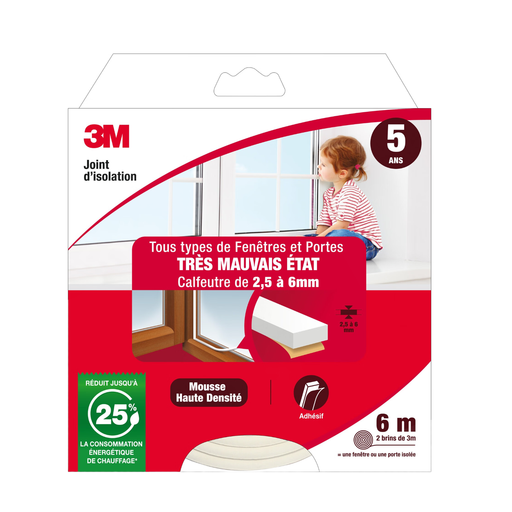
Why we love it: An economical and very simple solution to install for treating common gaps on window or door frames, without requiring tools or permanent modifications.
This high-density foam seal is designed to last over 5 years under normal conditions and fits specific gaps (2.5 to 6 mm), avoiding low-grade adhesives that peel off and ineffective "universal" solutions.
Its ultra-flexible foam adapts well to slightly warped frames. Installation is quick and requires no DIY skills.
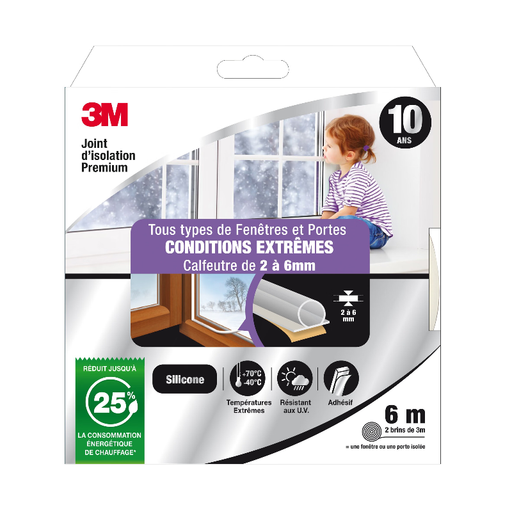
Why we love it: The high-quality silicone provides a durable seal, resists UV rays and extreme temperatures. It's a long-term investment to **lower your heating bill**.
Unlike materials that harden or crack, this silicone seal maintains its flexibility from -40°C to +70°C. Its stated lifespan of at least 10 years is a safeguard against frequent replacements.
Excellent resistance to UV and weather, making it suitable for highly exposed windows and doors. Its transparency makes it very discreet.
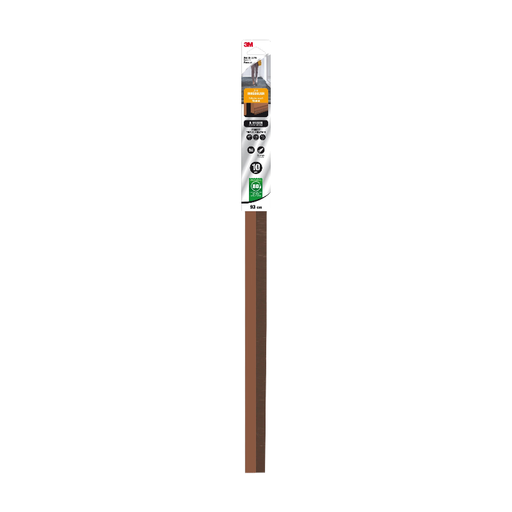
Why we love it: Specifically designed for uneven floors (tiled floors with grout lines, old parquet) where a standard adhesive **draught excluder** would be ineffective. The screw-in fastening ensures a perfect and durable hold.
It solves the problem of variable floor gaps that door snakes or adhesive seals can't handle. Its brush and membrane design adapts to irregularities up to 15 mm, ensuring a continuous seal.
The screw-in fastening guarantees rock-solid sturdiness, ideal for a high-traffic front door. The estimated durability is over 10 years.
We have selected a full range of products that meet our quality criteria and current standards.
The lifespan varies enormously depending on the product's quality and exposure conditions. A low-end foam seal might last one or two seasons. A high-quality adhesive weatherstrip, such as those made of silicone or EPDM rubber from a reputable brand, can last from 5 to over 10 years if installed correctly on a clean surface.
This is the crucial step to ensure maximum adhesion. The surface must be perfectly clean, dry, and degreased. Use a cloth soaked in rubbing alcohol or a suitable degreaser to remove all traces of dust, grease, or residue from old seals. Let it dry completely before applying the new seal.
Yes, absolutely. By blocking the passage of air, good door or window weatherstripping also creates a sound barrier. Although this is not their primary function, you will notice a significant reduction in outside noise (traffic, neighbours), thereby improving your acoustic comfort in addition to your thermal comfort.