
Livraison le jour même ou le lendemain

Qualité garantie

Débloquez vos offres de bienvenue: Livraison GRATUITE | Jusqu'à -80 % | 30 jours d'essai gratuits à JoyPlus
Téléchargez l'application
A chilly draft slipping under the front door, a heating bill that skyrockets without warning… The culprit is often easy to spot: faulty insulation. Door weatherstripping is a simple and cost-effective solution to regain true thermal and acoustic comfort. But with a maze of available options, the risk of making the wrong choice is very real. This guide is here to help you see things more clearly and find the perfect product for your needs.
To avoid throwing your money out the window (or rather, under the door?!), let's review the common mistakes that can render your purchase completely ineffective.
For successful door insulation and subsequent energy savings, three criteria must be scrutinized.
First step?: identify where the air leak is coming from.
The choice of fastening depends on your situation (renter or owner) and your willingness to do some DIY.
For thermal insulation to be truly effective, the product must adhere perfectly to its surroundings.
To help you find the ideal product, here is our selection, organised by user profile.
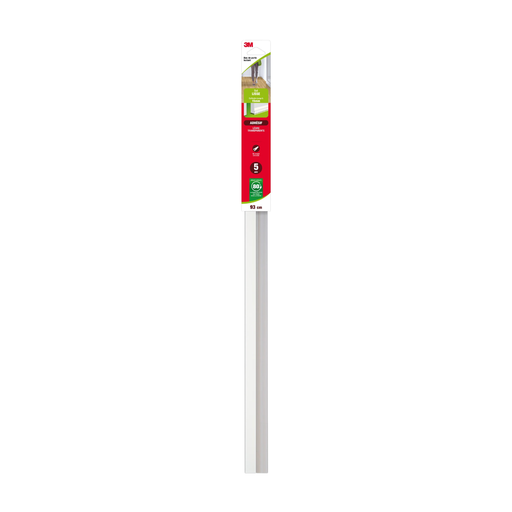
Why we chose it : Ideal for those looking for an effective solution without taking out the drill. Its adhesive installation is simple and fast, perfect for an interior door opening onto a hardwood or linoleum floor. Its transparent lip is discreet.
This model uses a 3M brand adhesive, guaranteeing a flawless hold on smooth, clean surfaces and preventing the premature peeling typical of entry-level products.
Tool-free installation and discreet design. Designed to fill gaps up to 15 mm on smooth floors.
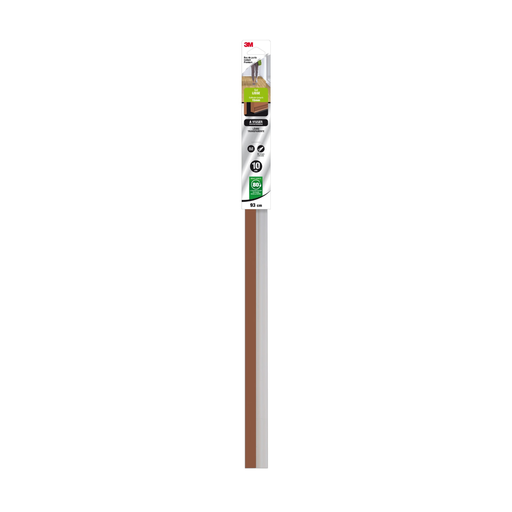
Why we chose it : For those who prioritise durability. The screw-on fastening ensures an unbeatable hold, even on a high-traffic front door. The aluminium profile is robust, and its French manufacturing is a mark of quality.
The screw-on fastening completely eliminates the risk of peeling. Its aluminium structure resists warping and wear, ensuring long-lasting effectiveness.
Exceptional robustness and longevity, with a 10-year warranty. Ideal for a definitive thermal insulation solution.
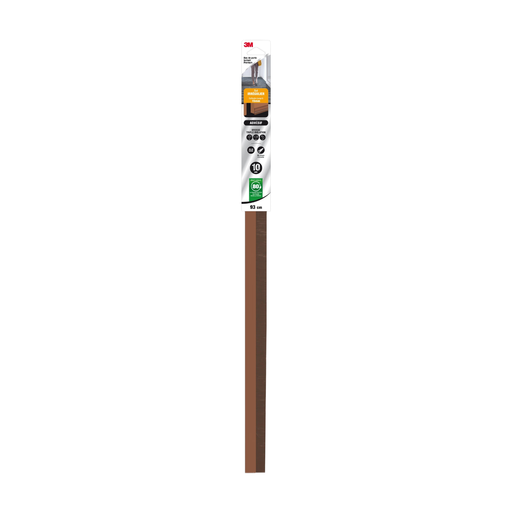
Why we chose it : The solution for older homes with tile or terracotta floors. Its double row of brushes and thin membrane adapt to the floor's irregularities to maintain an optimal seal.
It directly addresses the problem of non-level floors. Where a classic door bottom would let air pass through, its flexible design ensures constant contact with the floor.
Specifically designed for uneven floors, it provides flawless insulation where others fail. Its lifespan is estimated at a minimum of 10 years.
The choice depends on your situation. An adhesive model is perfect for renters or for a quick, tool-free installation. A screw-on door bottom is recommended for homeowners looking for a more durable and robust solution, especially for a front door subject to heavy use.
It all depends on the quality. An entry-level product can peel off in less than a year. Models from recognised brands, such as those using advanced adhesive technologies, can last 5 years or more, provided the surface is properly prepared (cleaned and dried) before application.
Yes, in addition to thermal insulation, good door weatherstripping also very effectively reduces the transmission of outside noise. By sealing the gaps where air passes through, you also block the passage of sound waves, resulting in a much quieter interior.