
Livraison le jour même ou le lendemain

Qualité garantie

Débloquez vos offres de bienvenue: Livraison GRATUITE | Jusqu'à -80 % | 30 jours d'essai gratuits à JoyPlus
Téléchargez l'application
An icy draft seeping under your door, soaring heating bills, hallway noise creeping into your home... These common daily annoyances often have a single cause and a simple solution. The door bottom seal: a modest accessory, but a powerfully effective one for restoring comfort and peace of mind.
The problem? Faced with a maze of options, choosing the right one can quickly become a headache, and it's easy to end up with a completely ineffective product. As a product expert at Joybuy, my mission is to guide you. Here are the mistakes to avoid at all costs and the key criteria for a successful purchase.
The 3 common pitfalls to avoid when buying a door seal?:
For door insulation that truly delivers, forget the marketing hype and focus on these few technical points.
This choice determines both the ease of installation and the lifespan of your setup.
This is THE decisive factor, yet it's the most frequently overlooked. Be sure to carefully inspect the floor directly beneath your door.
The essential first step before buying?: measure the gap between the bottom of the door and the floor. Each product description specifies the maximum gap it can cover (for example, seals a gap up to 15 mm). An undersized model is a wasted purchase.
When it comes to materials, here's what you need to know?:
To help you make a clear choice, here are a few concrete examples from our catalogue, tailored to different needs.
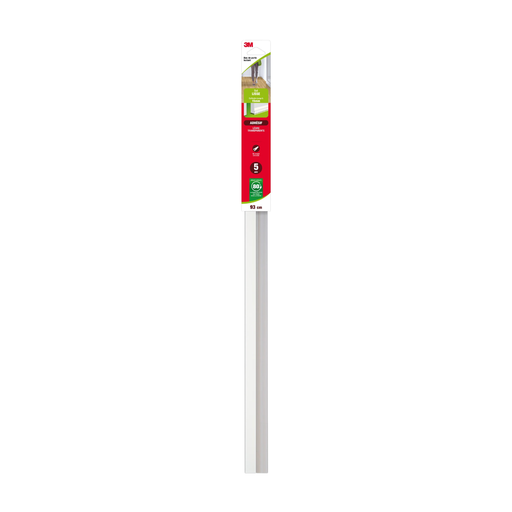
Ideal use case : Perfect for renters or for an immediate, tool-free upgrade. It installs in a flash on smooth floors (hardwood, linoleum, modern tile).
Unlike entry-level adhesives, its strip is designed for a long-lasting hold on smooth, clean surfaces, which prevents the common issue of premature peeling.
Drill-free installation. Its white profile and transparent lip ensure a discreet finish that blends into any decor.
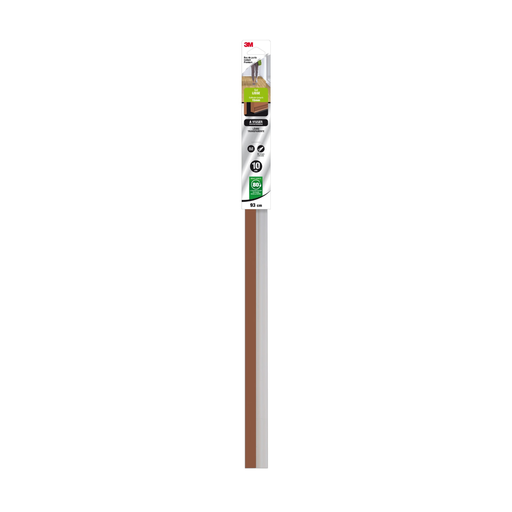
Ideal use case : The perfect solution for homeowners who want a permanent result. The screw-in fastening guarantees a flawless hold for years, even on a high-traffic door.
The mechanical fastening eliminates any risk of peeling. Its aluminium profile withstands impacts without flinching and won't warp, unlike plastics that eventually break.
Durable aluminium profile made in France. The manufacturer's 10-year warranty is an excellent testament to its robustness.
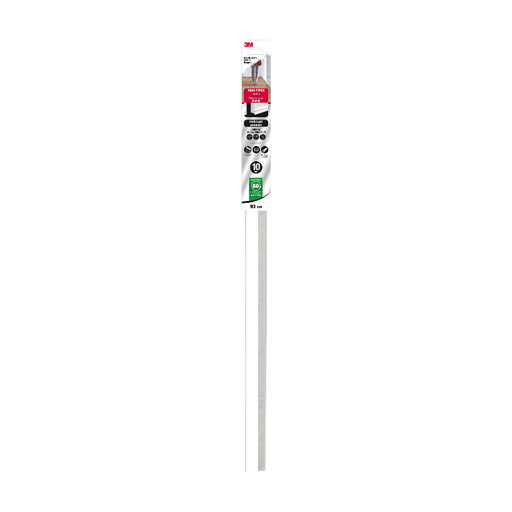
Ideal use case : Specially designed for older homes with aged tile, terracotta, or warped flooring. Its flexible structure conforms to the floor's imperfections for a maximum seal.
Where a standard model would be ineffective, this one bridges significant gaps (up to 25 mm) and adapts to changes in level to ensure a flawless seal.
Effectiveness on very uneven floors, but with the simplicity of an adhesive installation. A sophisticated technical solution that requires no tools.
We have put together a complete selection of products that meet our quality criteria and current standards.
The lifespan of an adhesive door seal depends on three things?: the quality of the adhesive, the care taken during installation, and the frequency of use. A quality model, installed on a pristine surface (clean and dry), can last for several years without issue. Some manufacturers even claim 5 years or more. Conversely, a low-end product installed hastily will peel off by the first winter.
Yes, absolutely. By forming a physical barrier, a door seal does more than just block drafts. It significantly reduces noise (conversations, TV), as well as the infiltration of dust, odours, and even insects. It's a true 3-in-1 ally for thermal and acoustic insulation, and overall cleanliness.
Most door seals are designed for interior installation on an inward-opening door. If your door opens outwards, installing a standard model on the exterior would expose it directly to the elements (rain, frost...), which is strongly discouraged. There are specific models for this purpose, or alternative solutions like attaching the seal to the door frame. In any case, always check the manufacturer's instructions before buying.