
Livraison le jour même ou le lendemain

Qualité garantie

Débloquez vos offres de bienvenue: Livraison GRATUITE | Jusqu'à -80 % | 30 jours d'essai gratuits à JoyPlus
Téléchargez l'application
A door draught excluder helps limit draughts, dust and some of the noise that comes through underneath the door. However, you still need to choose a model that is suitable: one that is the wrong size may quickly come loose, obstruct opening or leave a visible gap across the entire width. The right choice mainly depends on three easy-to-check criteria: the type of floor, the height of the gap beneath the door and the fixing system.
A door-bottom seal with a rigid lip works well on parquet, tiles, PVC or polished concrete, provided the surface is even. On an old floor, a sunken slab or an uneven threshold, the lip may only touch the floor in certain places.
In this case, it is better to choose an anti-draught door sausage or a model fitted with soft brushes, which will adapt more easily to differences in level. Always check compatibility with uneven floors before ordering.
A model designed for a 5 to 10 mm space will not properly seal a 20 or 25 mm gap. Conversely, a filling strip that is too thick may rub, prevent the door from closing or wear out prematurely.
Measure the gap at several points, especially if the floor is not perfectly level. Depending on their design, the models featured here are suitable for spaces of up to 15, 25 or 30 mm. This value comes from the product information, so always compare it with your actual measurement.
An adhesive door draught excluder allows quick installation without drilling, but how well it stays in place largely depends on how the surface is prepared. Dust, grease, moisture or a textured surface can reduce the tape’s effectiveness.
On a frequently used door, mechanical fixing — for example, a screw-on door draught excluder — will provide a more reliable hold over time. In rented accommodation, adhesive remains a practical option for avoiding DIY work, provided it is applied to a compatible surface and the installation instructions are followed.
An uneven-floor door seal should not be compressed excessively. After installation, the door should remain easy to open and close.
A length of 93 cm is suitable for many internal doors in France, but measure the door leaf before installation. The products featured below can be cut to size with a saw, depending on the material used. Carry out this operation with the door open, wearing suitable gloves and holding the item firmly.
These accessories limit draughts underneath the door, but they do not replace a perimeter seal when leaks are coming from the sides or the top of the door frame.
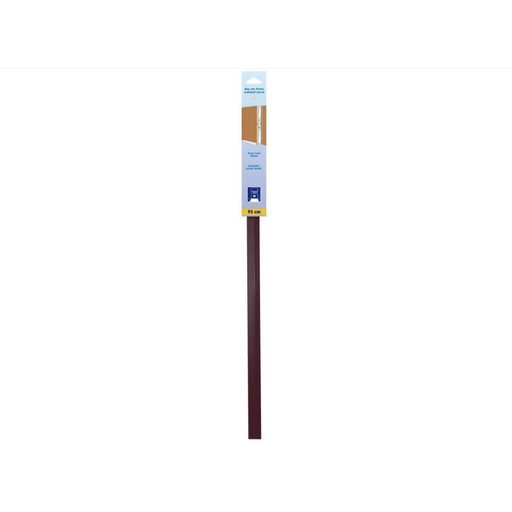
Why this choice suits this profile : With its 93 cm adhesive format, this model is aimed at anyone looking to install a door draught excluder without drilling on a smooth floor.
The product information states that it is suitable for smooth floors and covers gaps of up to 15 mm. Avoid this model if your floor is badly distorted.
PVC profile, flexible lip and self-adhesive fixing. The product information states a service life of at least 5 years under the intended conditions.
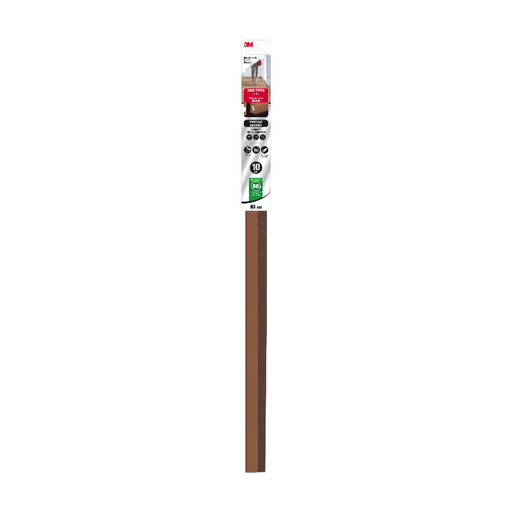
Why this choice suits this profile : Its design is intended for very uneven floors and gaps of up to 25 mm, with adhesive installation.
The brushes and membrane are designed to follow variations in the floor, unlike a rigid lip intended for flat surfaces.
Adhesive fixing, trimmable length and stated compatibility with all types of flooring. The product information mentions that it is made in France.
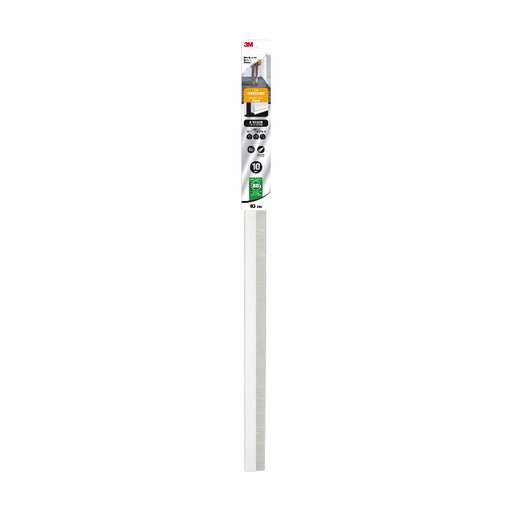
Why this choice suits this profile : Screw fixing is suitable for frequently used doors, particularly in an entrance, office or other area with regular foot traffic.
The two rows of brushes and the membrane are designed for uneven floors. The screws mean the product does not rely solely on adhesive.
Aluminium profile, 93 cm length and can be cut to size with a saw. The product information states coverage of up to 15 mm.
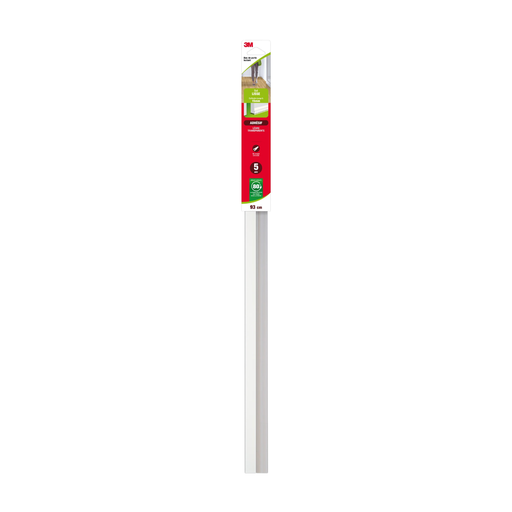
Why this choice suits this profile : Tool-free installation is suitable for quick fitting on parquet, laminate, vinyl or PVC, provided the surface is clean and dry.
The product information excludes textured or uneven surfaces. This helps you avoid installation outside the specifications, which could cause the product to come loose.
Transparent lip, 3.9 cm width, adjustable length and stated coverage of up to 15 mm.
Regularly remove dust from the brushes or lip with a soft cloth. Replace the seal when it becomes distorted, cracked or no longer makes proper contact with the floor.
We have put together a complete selection, updated in real time, of products that meet these demanding criteria while complying with European safety regulations.
Choose a model with soft brushes, a flexible membrane and a compensation height suited to the measured gap. Screw-on versions are particularly suitable when the door is used frequently. If the gap is large, check that the product information specifies compensation of 25 or 30 mm rather than 15 mm.
This depends on the surface, how well it was cleaned before installation, exposure to moisture and the number of times the door is opened. Some product information states a service life of at least five years under normal conditions, but this does not constitute a guarantee applicable to every installation. Regularly check the adhesion and the condition of the lip.
It can limit cold-air infiltration beneath a door leading to an unheated area and thereby improve comfort. However, the result depends on the overall airtightness of the property, particularly around the door, walls, windows and ventilation system. A door draught excluder alone is not enough to measure or guarantee energy savings.