
Livraison le jour même ou le lendemain

Qualité garantie

Débloquez vos offres de bienvenue: Livraison GRATUITE | Jusqu'à -80 % | 30 jours d'essai gratuits à JoyPlus
Téléchargez l'application
A door draft stopper helps to reduce draughts, dust and some noise. But a poorly sized model can hinder opening, peel off within days, or let air pass between the floor and the door. So before choosing a door bottom seal, take the time to measure the width, the gap to fill and identify the type of floor.
The width of the product, often 80 or 93 cm, should match that of your door. The gap to fill, on the other hand, refers to the height between the bottom of the door and the floor. A model designed for 15 mm won't necessarily suit a gap of 25 or 30 mm.
Measure the gap in several places, especially if the floor is old or uneven. A few millimetres' difference can be enough to tip the balance between a flexible flap, a row of brushes or a hinged profile.
An adhesive door bottom seal is quick to fit, but it doesn't forgive poorly prepared surfaces. Dust, grease, moisture, flaking paint or a porous surface will significantly reduce its grip. On a garage door, a bare floor or a busy entrance, a screw-on model will generally offer a more reliable fixing.
A rigid flap designed for tiles or wooden flooring risks letting air through on a concrete slab, natural stone or a warped threshold. In this case, choose a seal for uneven floors, fitted with soft brushes, a flexible membrane or a hinged profile.
Marketing claims like "enhanced insulation" should be taken with a pinch of salt. Instead, look at the maximum fill height, the material, the type of fixing and the compatible surfaces.
Slide a ruler or a wedge under the door and repeat the measurement in several places. Note the highest value, without choosing a product that would rub excessively against the floor. The references presented here cover gaps of up to 15, 25, 27 or 30 mm, depending on the details in their product description.
A seal that is too thick can slow down closing and put excessive pressure on the door. Conversely, a seal that is too short or too low will let air and dust through.
The material alone doesn't determine the lifespan of the seal. How often the door is opened, friction, moisture and maintenance all play a part in its wear.
A screw-on door bottom seal requires a bit more preparation, but it can generally be removed and repositioned more easily than a permanent adhesive model. Adhesive remains a good option for tenants or to avoid drilling, provided it is applied to a clean, dry and smooth surface.
Most 93 cm models can be adjusted to the width of your door using a saw. Wear suitable gloves and follow the manufacturer's recommendations when cutting. If the product has brushes, also check whether they need to be cut separately.
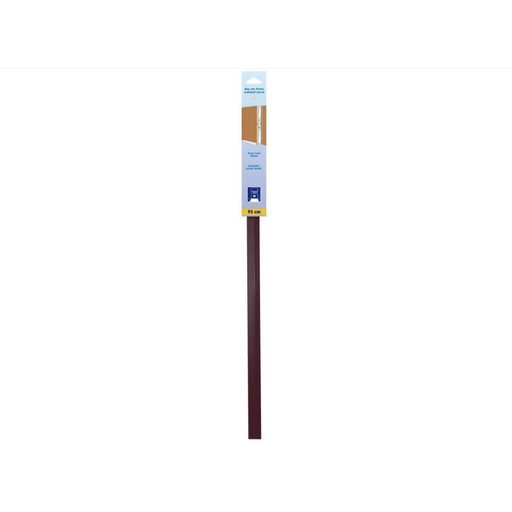
Why this choice suits this profile: This adhesive model is suitable for interior doors fitted on a smooth floor, when you want a quick, no-drill installation.
The product description states compatibility with smooth surfaces and a fill of up to 15 mm. It's best to avoid this model on a very uneven slab or a crumbly surface.
Rigid PVC profile, flexible lip, 93 cm length and can be cut. The description mentions installation on wooden flooring, laminate, tiles, PVC or polished concrete.
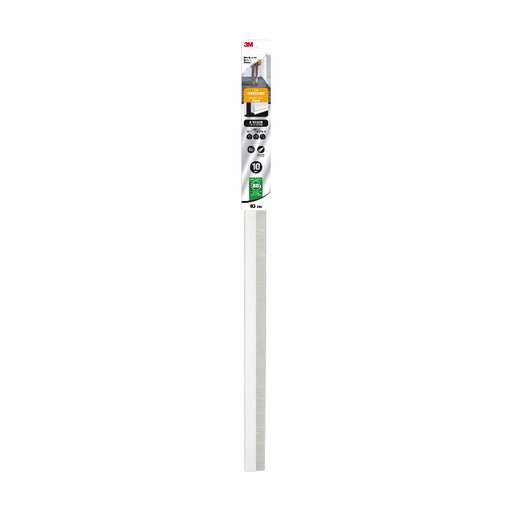
Why this choice suits this profile: Its aluminium profile and screw fixing are designed for a durable installation on a door that sees frequent use.
The screw fixing means you don't have to rely solely on adhesive on a dusty surface. The description states the product is suitable for uneven floors and can fill a gap of up to 15 mm.
White aluminium, double row of nylon brushes with fine membrane, 93 cm length and can be cut with a saw.
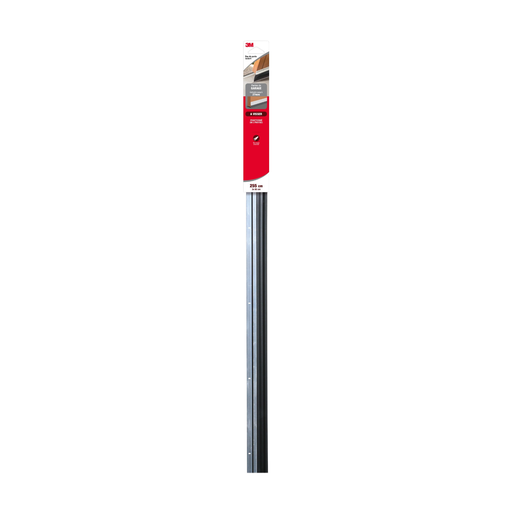
Why this choice suits this profile: This product is designed for garage doors and thresholds exposed to dust, moisture and uneven floors.
Its hinged profile is designed to follow the unevenness of the floor. However, don't confuse it with a seal intended for a lightweight interior door.
Aluminium profile, flexible rubber flap, hinge that follows the floor and a stated coverage of up to 27 mm.
We've put together a complete, real-time updated selection of products that meet these demanding criteria, while complying with European safety regulations.
A door draught excluder won't replace repairing a very warped threshold or a frame with a significant leak. If the draught comes through the sides, add a door seal on the frame to complete the installation.
Choose a row of soft brushes, a flexible membrane or a hinged profile. Above all, check the maximum compensation height stated by the manufacturer. For a gap of up to 15 mm, a model designed for uneven floors may suffice. Beyond that, compare references designed for gaps of 25 to 30 mm.
Its lifespan depends on the surface, friction and how often the door is opened. Fitting it on a clean, dry surface will help it last. Regularly inspect the lip, brushes and adhesive, and replace the product as soon as it becomes deformed or no longer makes proper contact with the floor.
It can limit some air passage and muffle noises that travel through the gap under the door. However, the result depends on the door, the walls and other acoustic leaks. To improve protection against dust and noise, also treat the sides and top of the frame.