
Livraison le jour même ou le lendemain

Qualité garantie

Débloquez vos offres de bienvenue: Livraison GRATUITE | Jusqu'à -80 % | 30 jours d'essai gratuits à JoyPlus
Téléchargez l'application
That little sliver of icy air sneaking under your front door? Those heating bills that are skyrocketing without warning? The culprit is often the same: poor insulation at the bottom of your door. While installing a door draft stopper seems straightforward, finding the right model is another story entirely. A poor choice isn't just ineffective; it can also damage your floor or door.
As a Product Specialist at Joybuy, my mission is to help you make sense of it all. Let's skip the marketing jargon and get straight to the point. Here are the pitfalls to avoid and the essential criteria for making an informed decision.
Before you grab the first model you see, it's crucial to know the flaws that make many products ready for the trash after just a few months.
To stop a draft once and for all, you need to scrutinize three key parameters.
The installation method determines both the ease of setup and the durability of your solution.
This is the most frequently overlooked criterion, yet it is crucial. A door sweep for uneven floors is specially designed with a soft brush or a flexible PVC lip that conforms to the floor's imperfections for a perfect seal. On a smooth floor (hardwood, linoleum, polished concrete), a rigid blade or a simple lip will suffice and will often be more discreet.
The material directly impacts the door bottom's insulation and its durability.
To help you find the right fit, here are a few concrete examples tailored to specific needs.
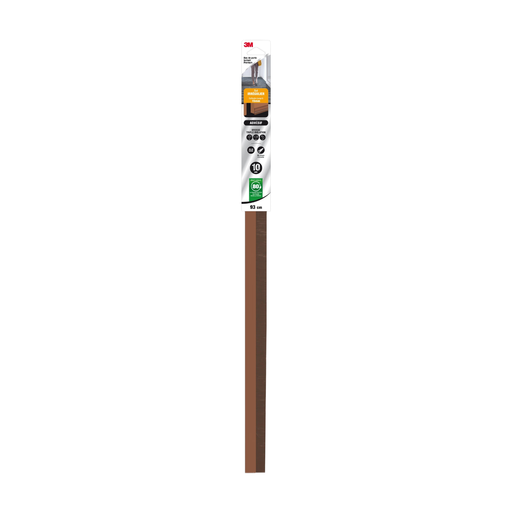
Why it's a great fit: Ideal for floors like tile, terracotta, or old parquet. It stops drafts where rigid solutions fail.
Its double row of soft brushes conforms to the floor's imperfections, ensuring a flawless seal and thus avoiding pitfall #2 (ignoring your floor type).
The thin integrated membrane between the brushes enhances insulation against air, noise, and moisture. The 3M adhesive guarantees excellent hold.
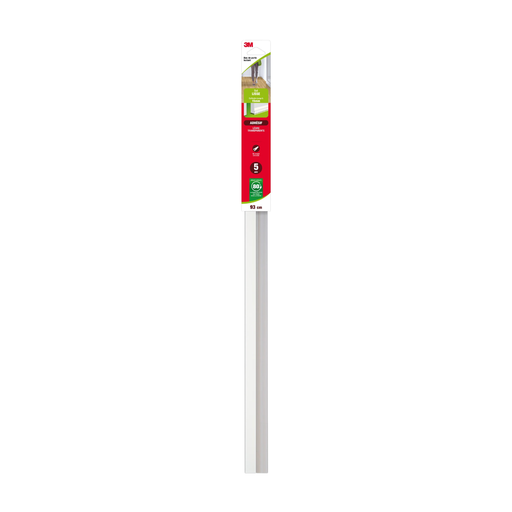
Why it's a great fit: Perfect for renters or DIY enthusiasts looking for a discreet, no-drill solution for a modern floor (hardwood, linoleum, PVC).
It relies on a quality 3M adhesive that, on a clean, smooth surface, provides a formidable bond and beats pitfall #1 (adhesive that peels off).
Its transparent lip is nearly invisible once installed, preserving your interior's aesthetic. It can seal a gap of up to 15 mm.
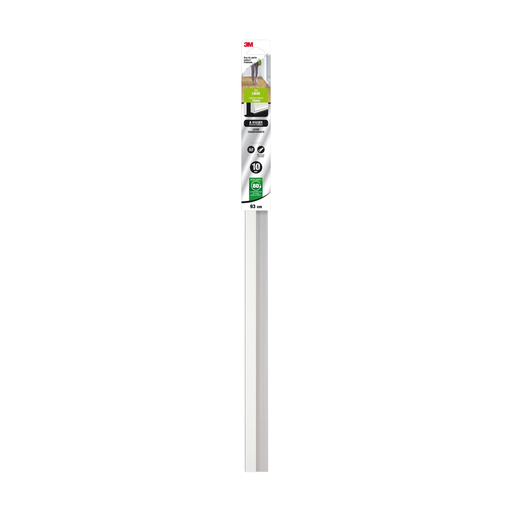
Why it's a great fit: For homeowners looking for a permanent solution. Ideal for a front door, garage, or cellar door where durability is the number one criterion.
The screw-in fixing completely eliminates the risk of peeling (pitfall #1). It's the "set it and forget it" solution for years to come.
Designed for a lifespan of at least 10 years, according to 3M. Its transparent flap ensures a perfect seal while remaining discreet.
We've curated a full range of products that meet our strict quality criteria and safety standards.
Preparation is key. The door surface must be impeccably clean, dry, and degreased. Use a cloth soaked in 70% alcohol or a standard degreaser. Measure and then cut the door bottom seal to the correct size. Apply it starting from one side, without stretching it, and press down firmly along the entire length to ensure the adhesive bonds well. Ideally, wait a few hours before using the door.
The longevity varies enormously depending on the model:
Yes, absolutely. A good door seal does more than just block drafts. By filling the gap under the door, it also forms a very effective barrier against outside noise, infiltration of dust, pollen, and even crawling insects. It's a small investment for a real improvement in daily comfort.