
Livraison le jour même ou le lendemain

Qualité garantie

Débloquez vos offres de bienvenue: Livraison GRATUITE | Jusqu'à -80 % | 30 jours d'essai gratuits à JoyPlus
Téléchargez l'application
That chilly draught seeping under the door, the hallway noise disturbing your peace, the dust that keeps coming back... These small, everyday annoyances have a simple solution: a well-chosen door bottom seal. Yet, faced with a jungle of available options, it's easy to make the wrong choice and end up with a model that's ineffective or won't stand the test of time.
As a product expert at Joybuy, I spend my days analysing dozens of products. My goal: to help you see things more clearly. Let's skip the marketing jargon and get straight to the point: here's how to avoid the pitfalls and choose THE solution that will truly transform your comfort.
A poor choice means money down the drain and a persistent problem with draughts or noise. Here are the most common traps:
To make the right choice, focus on two key points: the fitting method and your floor type.
It all depends on whether you're a tenant or a homeowner, and your appetite for DIY.
This is THE technical detail that guarantees a flawless seal.
To help you visualise the right solution for your situation, here are a few recommended options, each tailored to a specific user profile.
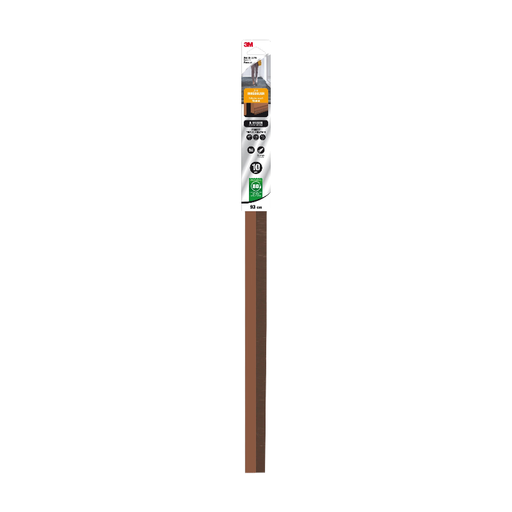
Why it's the right choice: Perfect for flats or houses with old tiles or worn hardwood floors. Its brush is specifically designed to conform to irregularities where a standard seal would fail.
Its flexible brush adapts to the slightest floor imperfections, unlike a rigid seal that would let air pass through. The screw-on fitting guarantees it will never peel off.
Seals gaps up to 15 mm. Its screw-on fitting ensures rock-solid stability, even on the most frequently used doors.
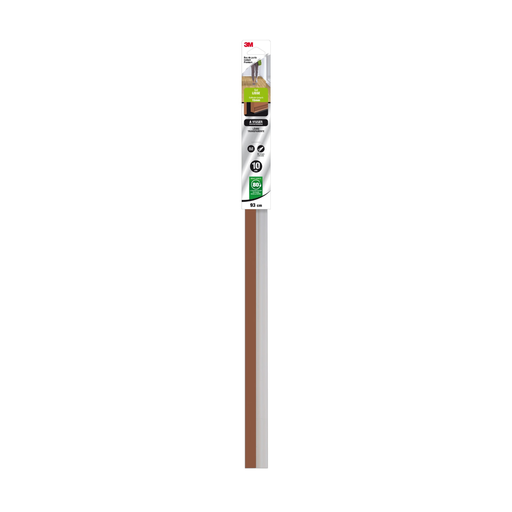
Why it's the right choice: The smart investment for homeowners who want a high-quality, long-lasting solution. Its aluminium profile is as elegant as it is discreet on a wooden or dark-coloured door.
Its aluminium profile and screw-on fitting eliminate the risk of peeling or premature wear. This is a choice designed for the long term, not a gimmick.
Premium material (aluminium) and mechanical fastening for perfect stability. Its transparent lip provides an effective yet discreet seal.
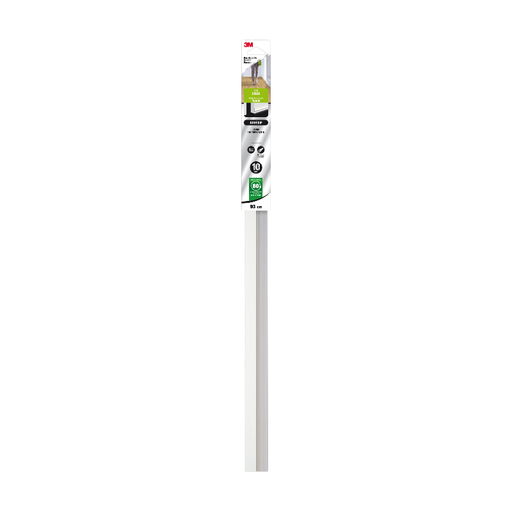
Why it's the right choice: The dream solution for tenants and anyone looking to improve their comfort without taking out the toolbox. Its clean, white design makes it virtually invisible.
It relies on a high-performance adhesive that avoids the classic pitfall of cheap models: peeling off at the first sign of cold or heat.
Simple and clean adhesive application. Its transparent sealing blade and white body blend into the decor for an effective and almost invisible draught-excluding door seal.
If you also want to improve the transition between two floor coverings or make a threshold easier to cross, we've selected the best solutions for you.
The secret is in the preparation. The door surface must be spotless: clean it with denatured alcohol to remove any grease or dust. Measure, then cut the door bottom seal to the correct size if needed. Remove the protective film, position the seal straight, and press very firmly along its entire length for 30 seconds.
Yes, most rigid models (PVC or aluminium) can be easily cut. Use a hacksaw for a clean, precise cut. A pro tip: measure twice, cut once!
The brush is more flexible and adapts perfectly to very uneven floors (old terracotta, tiles with wide grout lines). The PVC lip, on the other hand, offers a superior seal on smooth floors, providing better blockage against noise and the finest draughts. The choice, therefore, depends 100% on your floor type.