
Livraison le jour même ou le lendemain

Qualité garantie

Débloquez vos offres de bienvenue: Livraison GRATUITE | Jusqu'à -80 % | 30 jours d'essai gratuits à JoyPlus
Téléchargez l'application
That chilly draft slipping under your front door, heating bills that skyrocket unexpectedly, the noise from the landing creeping into your living room… These everyday annoyances often stem from a single cause: a gap under a poorly insulated door. Fortunately, a door bottom seal is a simple, cost-effective solution to restore your comfort and lower your energy bill.
The only catch: the market is flooded with models, and it's easy to make the wrong choice. To avoid throwing your money out the window (or rather, under the door), here are the mistakes to avoid:
A successful purchase all comes down to three criteria that determine the effectiveness and lifespan of your installation.
The mounting method is the first decision to make. It all depends on your door, your floor, and your motivation to break out the toolbox.
This is the detail that's often overlooked, yet it's crucial. The effectiveness of your door insulation directly depends on it.
The material of the door seal has a direct impact on its longevity and acoustic performance.
To help you visualize these criteria, here are a few options tailored to specific needs.
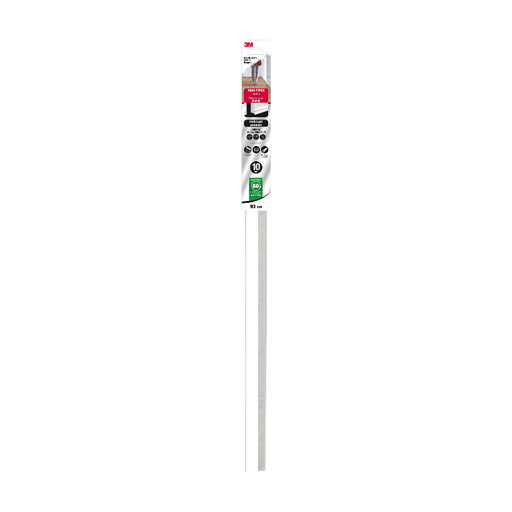
Why it's a great choice: Perfect for a no-drill installation, this adhesive model is a renter's best friend. It's specially designed for uneven floors, a common issue in older apartments, and can fill gaps up to 25 mm.
It checks two important boxes: the 3M brand adhesive ensures a reliable bond, while its structure adapts to non-level floors, thus preventing friction and loss of effectiveness.
Tool-free installation and effective even with a significant gap (up to 25 mm), making it highly versatile.
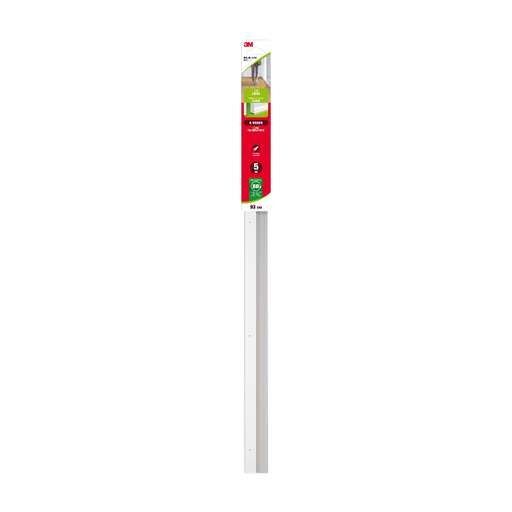
Why it's a great choice: For those who want a "set-it-and-forget-it" solution, a screw-in mount is unbeatable. This model is designed for smooth floors and promises a minimum lifespan of 5 years, making it a smart investment for homeowners.
Its mechanical fastening eliminates the risk of detachment. Designed for smooth floors, it ensures perfect contact without premature wear from friction.
Robustness and longevity. Once installed, you can forget about it: it provides a perfect seal for years to come.
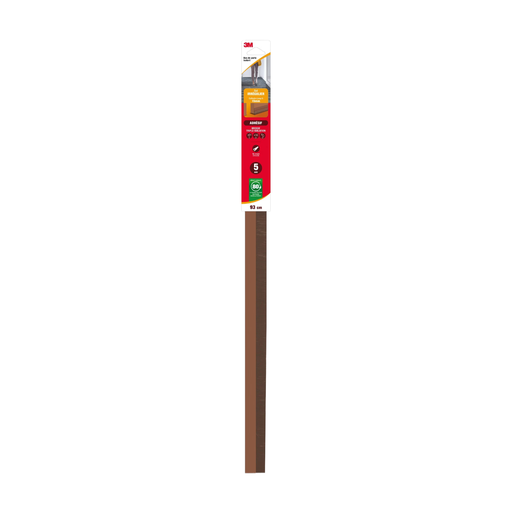
Why it's a great choice: Its design, which combines a double row of brushes with a thin membrane, is incredibly effective on highly uneven floors. This dense material offers a dual benefit: it insulates against the cold and significantly reduces noise.
Where a standard seal would be ineffective, its double brush conforms to the slightest contours of the floor. The seal is perfect, avoiding the incompatibility pitfall.
Superior thermal and sound insulation performance thanks to its double-brush and membrane design.
We have selected a full range of products for you that meet our criteria for quality and effectiveness.
Preparation is key. Thoroughly clean the bottom of the door with a cloth soaked in rubbing alcohol to remove any grease or dust. Let it dry completely. Then, apply the door bottom seal without stretching it, starting from one end, and press firmly along its entire length to ensure maximum adhesion.
It varies greatly depending on quality and use. An entry-level adhesive model might barely last one or two seasons. In contrast, products from recognized brands, whether adhesive or screw-in, are often designed to last at least 5 years, and even longer for premium aluminium models.
Yes, surprisingly so. By sealing the gap under the door, it creates a physical barrier that blocks the transmission of airborne noise (conversations, television, etc.). For optimal soundproofing, choose models with very dense brushes or thick foam seals that better absorb sound waves.